


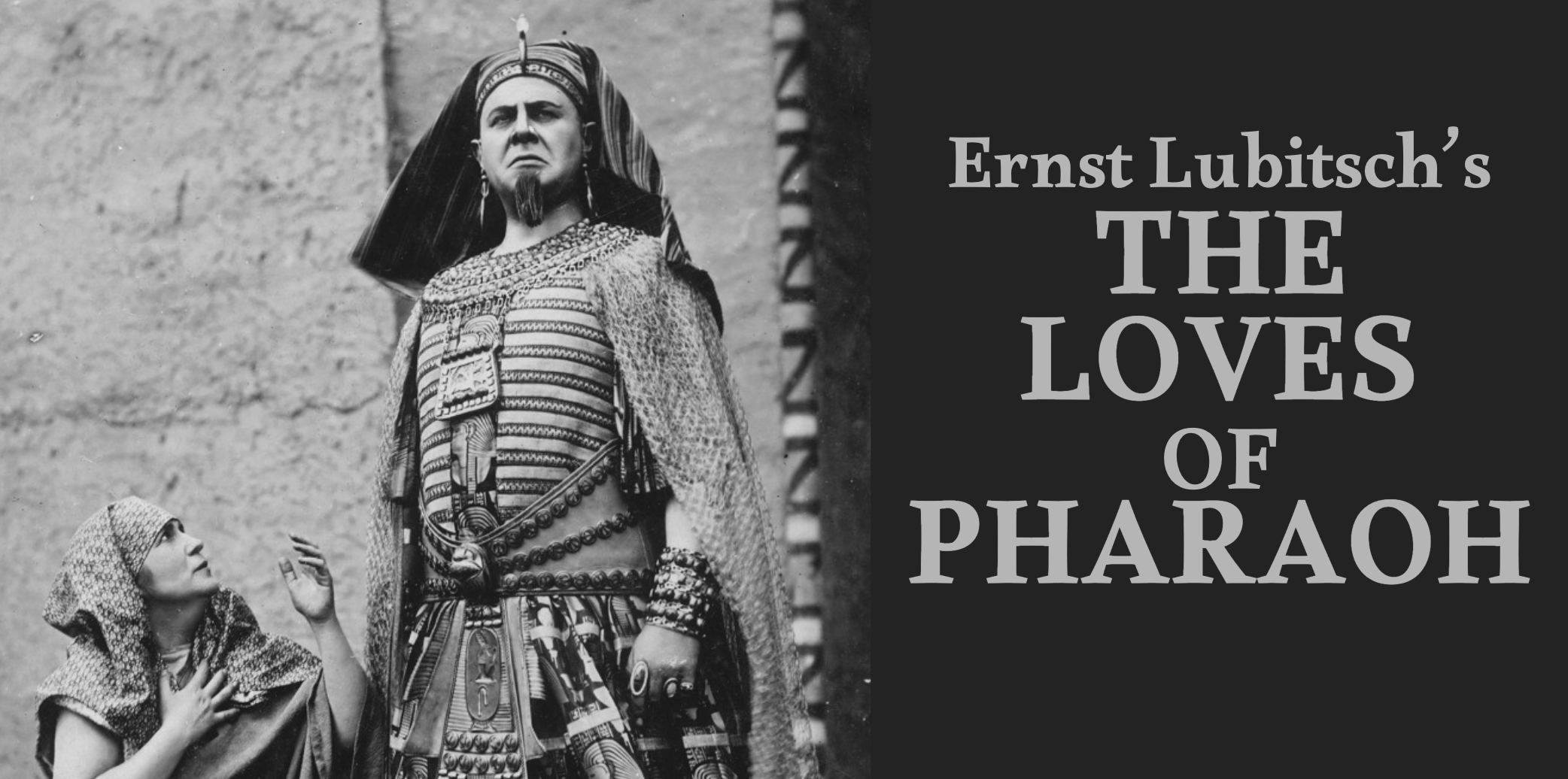
THE LOVES OF PHARAOH (Germany, 1922, Ernst Lubitsch)
/
Gartenberg Media is pleased to present Ernst Lubitsch's landmark work of German silent cinema, 1922's THE LOVES OF PHARAOH, as a Digital Site License, now available to North American academic institutions.
To inquire about purchasing this title for institutional use, please contact sales@gartenbergmedia.com.
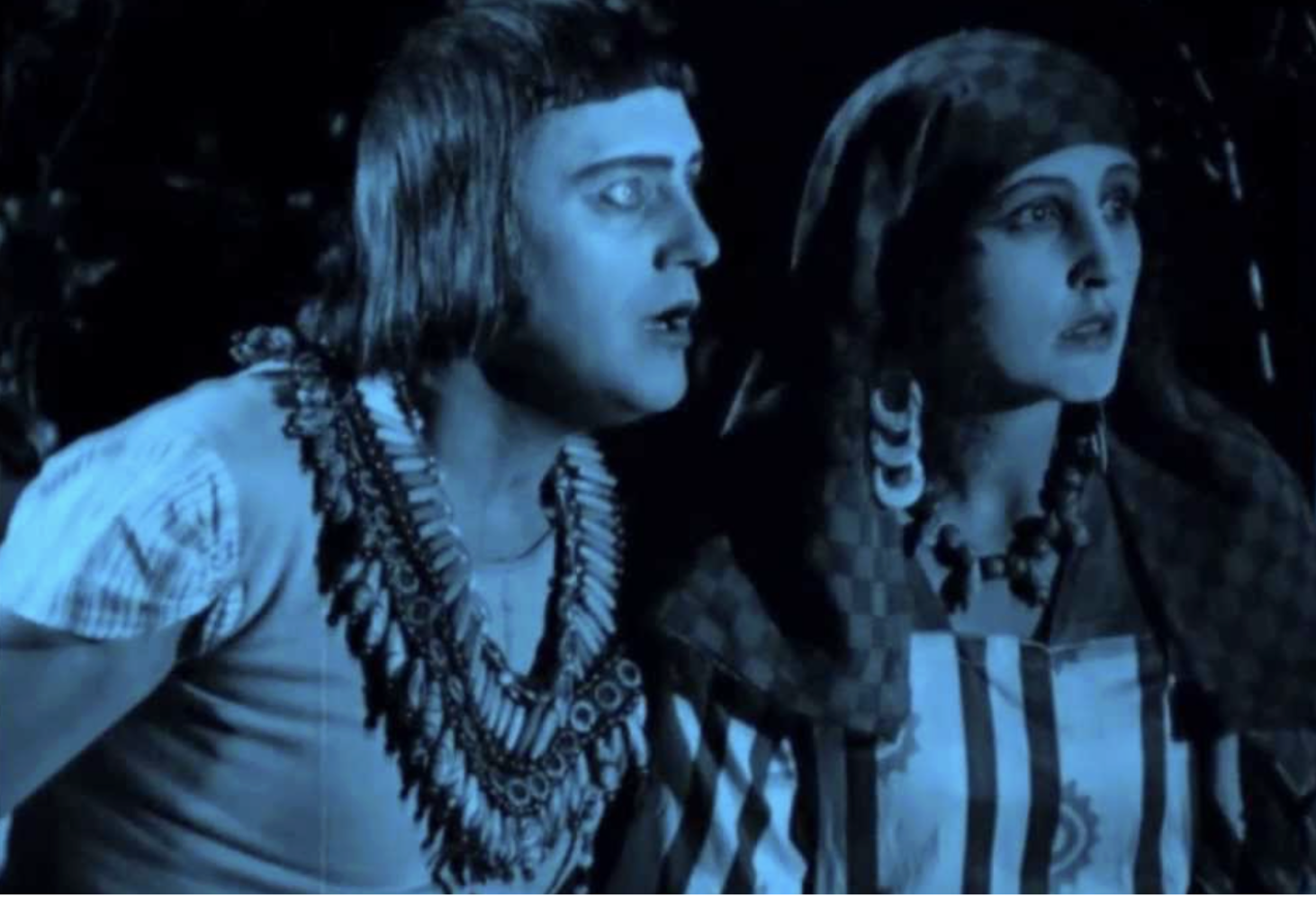
The most expensive production in Germany to date at the time of its release, Ernst Lubitsch's THE LOVES OF PHARAOH (1922) remains an impressive example of the historical melodramas that transformed [the director] into a worldwide box office force during the early 1920s before his move to Hollywood. —James Steffen, Turner Classic Movies
In 1922's THE LOVES OF PHARAOH, Ernst Lubitsch chronicles the tale of the fictional Pharaoh Amenes (portrayed by future Academy Award-winner Emil Jannings) who risks war with Ethiopia by pursuing Theonis (Dagny Servaes), a Greek slave girl. As noted by critic Richard Brody: "The charmingly ahistorical soap-operatic plot gives rise to a shrewd look at the mighty with their motives bared; the opulent décor and elaborate costumes contrast with the incisive and worldly-wise intimacy of what is, ultimately, a populist comedy."
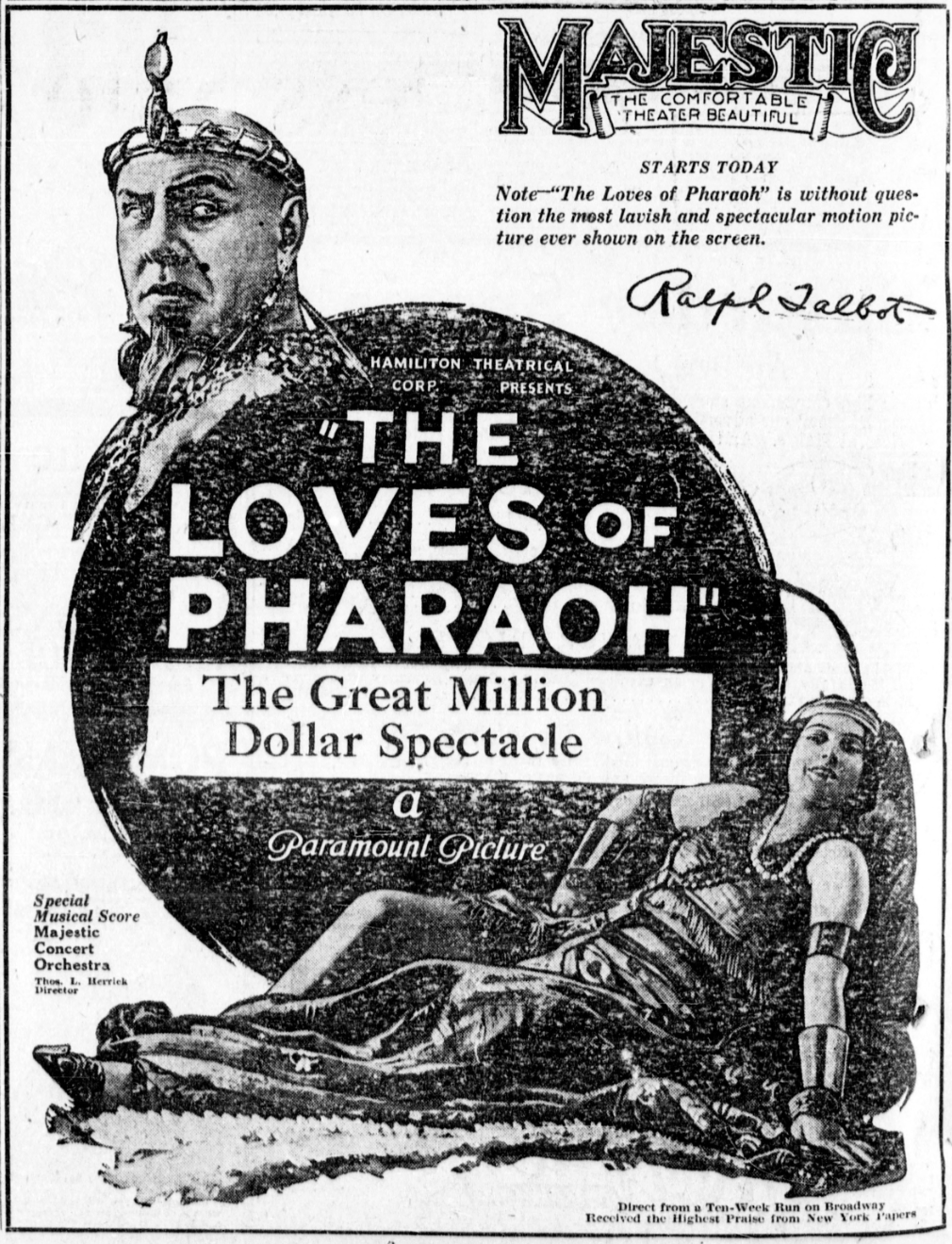
DAS WEIB DES PHARAO (English translation: THE LOVES OF PHARAOH), produced in Berlin in 1921, was the most expensive German film production of its time. Premiering in New York City in February 1922, Lubitsch's film began a successful international release in many countries. In the U.S. in particular, it was both a commercial success and a critics' darling from coast to coast. The New York Times called it a "magnificent production and stirring testimony to the genuineness of the genius of Ernst Lubitsch," while the Los Angeles Times characterized it as "the best foreign picture we have seen here, and one of the most thoroughly artistic, foreign or domestic."
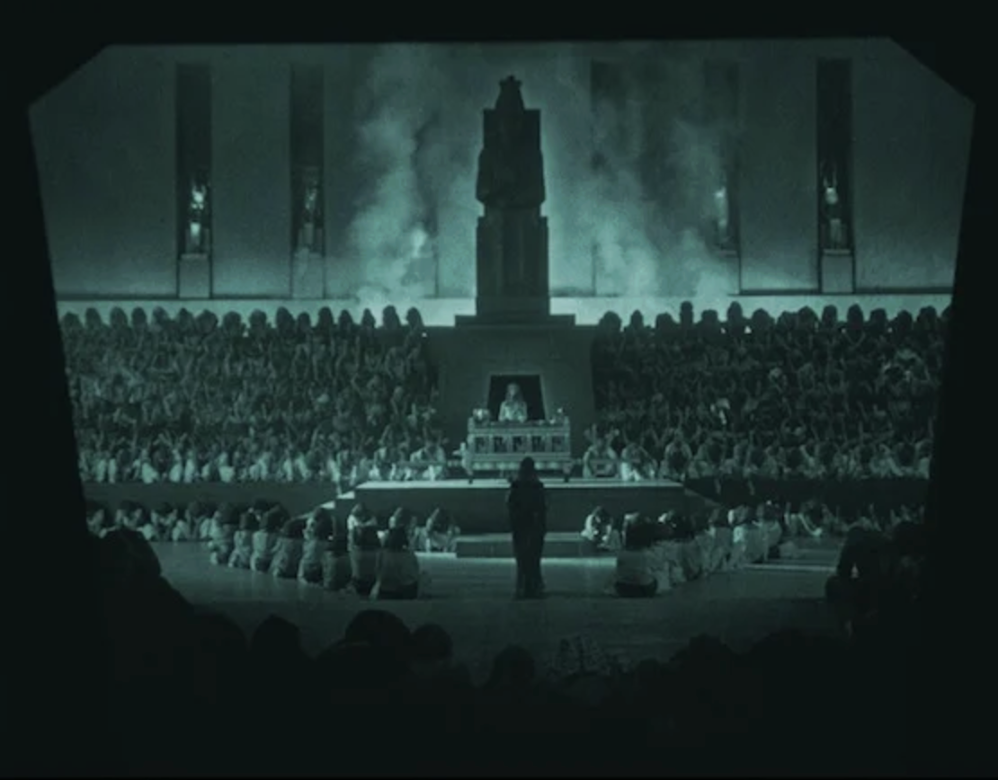
Lubitsch was Germany's top director following his international hit MADAME DUBARRY (1919). In addition to the film's success, THE LOVES OF PHARAOH was a key transitional work for Lubitsch. As Kristin Thompson writes, "it was the first film he directed after seeing modern Hollywood, and the change from his earlier work is striking," emphasizing his mastery of sophisticated lighting techniques to best display his elaborate sets and costumes. As noted by TCM's James Steffen: "While THE LOVES OF PHARAOH was a German production, Paramount supplied the financial backing that enabled Lubitsch and his crew to work on the scale that they envisioned.” The film's set and costume designer Ernst Stern later noted in his memoirs: "There was no difficulty about finance, as we were working for American backers. It was still the inflation period and even a single dollar was quite a lot of money, so we had no time-robbing financial calculations and we went to work cheerfully with a 'Damn the expense' outlook."
THE LOVES OF PHARAOH was Lubitsch's last German-language feature before he officially relocated to Hollywood and helmed such classics as THE MARRIAGE CIRCLE, LADY WINDEMERE'S FAN, TROUBLE IN PARADISE, NINOTCHKA, THE SHOP AROUND THE CORNER, and TO BE OR NOT TO BE, among countless other films.
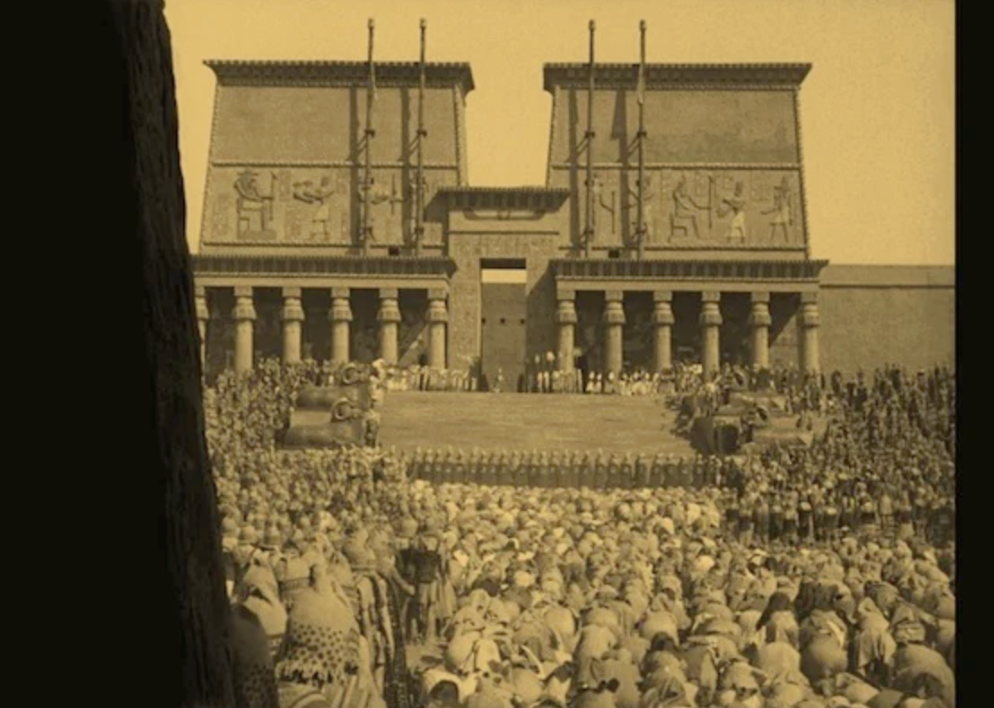
Despite its success at the time, THE LOVES OF PHARAOH (like so many silent films of the period) was nearly forgotten and considered lost until 1970, when a severely damaged nitrate fragment was discovered in Moscow's Gosfilmofond archive. Restoration began in 2003, following the repatriation of the original nitrate material to the Bundesarchiv in Berlin. An intensified search for missing scenes led to the discovery of an Italian print in the Roberto Pallme Collection at the George Eastman House. In 2008, Alpha-Omega took over completion of the restoration project. In 2010, a new recording of the original score, composed by Eduard Künneke as commissioned by Ernst Lubitsch, was arranged and performed by the WDR Orchestra under the direction of Frank Strobel.
The restoration of THE LOVES OF PHARAOH received its premiere public screening on September 17, 2011 at Berlin's Neues Museum. The film's U.S. premiere followed in October at Hollywood's historic Egyptian Theater, now home to the American Cinematheque. Since then, the film has continued to fascinate festival audiences in Glasgow, Montreal, Copenhagen, San Francisco, Chicago, and New York, among other cities. Alpha-Omega's restoration of THE LOVES OF PHARAOH recreates the original color-tinting scheme in accordance with the surviving print fragments.
GME's DSL release of THE LOVES OF PHARAOH is accompanied by an electronic 20-page bilingual booklet, in German and English, with essays by Thomas Bakels and Kristin Thompson and a letter of appreciation from Nicola Lubitsch, daughter of Ernst Lubitsch, to her father's fans.
To learn more about the Blu-Ray or DVD publication of this title, click here. To purchase the Blu-Ray or DVD in lieu of the DSL, please contact sales@gartenbergmedia.com.
THE LOVES OF PHARAOH
(Germany, 1922)
Director: Ernst Lubitsch
Cast: Emil Jannings, Dagny Servaes, Paul Biensfeldt, Friedrich Kühne
- 100 minutes
- Digital
- B&W (hand-tinted)
- Silent
Distribution Format/s: DSL/Downloadable 1080p .mp4 file on server
Published By: Alpha-Omega
Price: $500
To order call: 212.280.8654 or click here for information on ordering by fax, e-mail or post.