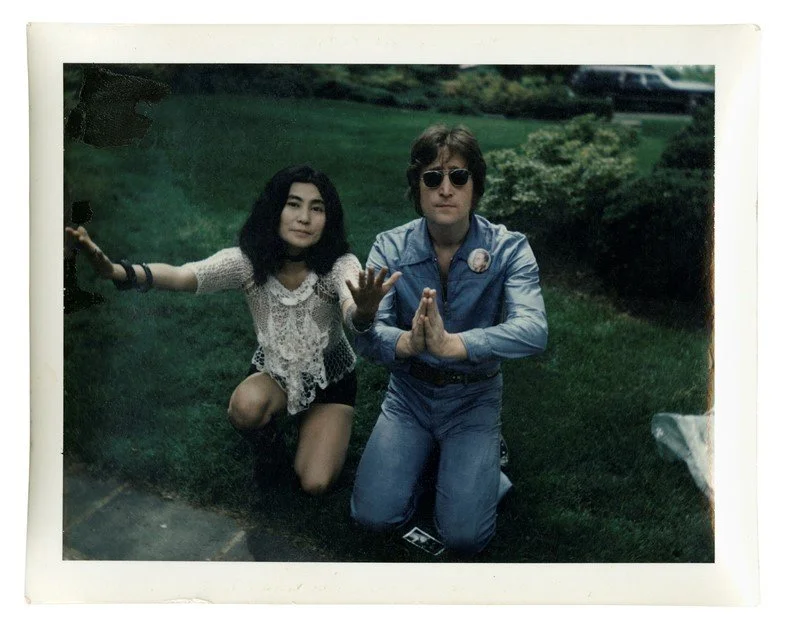
HOW TO BE A HOMOSEXUAL PART II (US, 1982, Roger Jacoby)

HOW TO BE A HOMOSEXUAL PART II (US, 1982, Roger Jacoby)

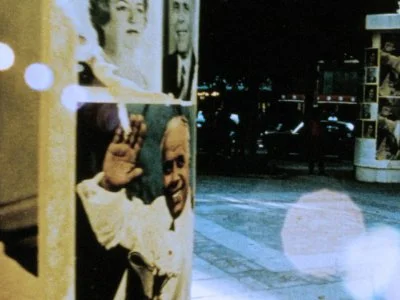
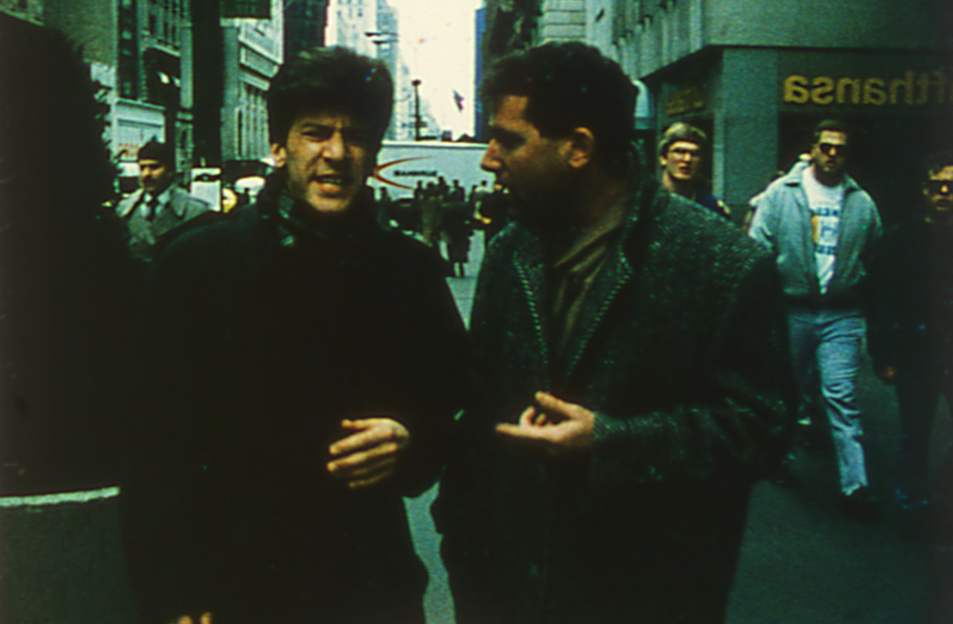
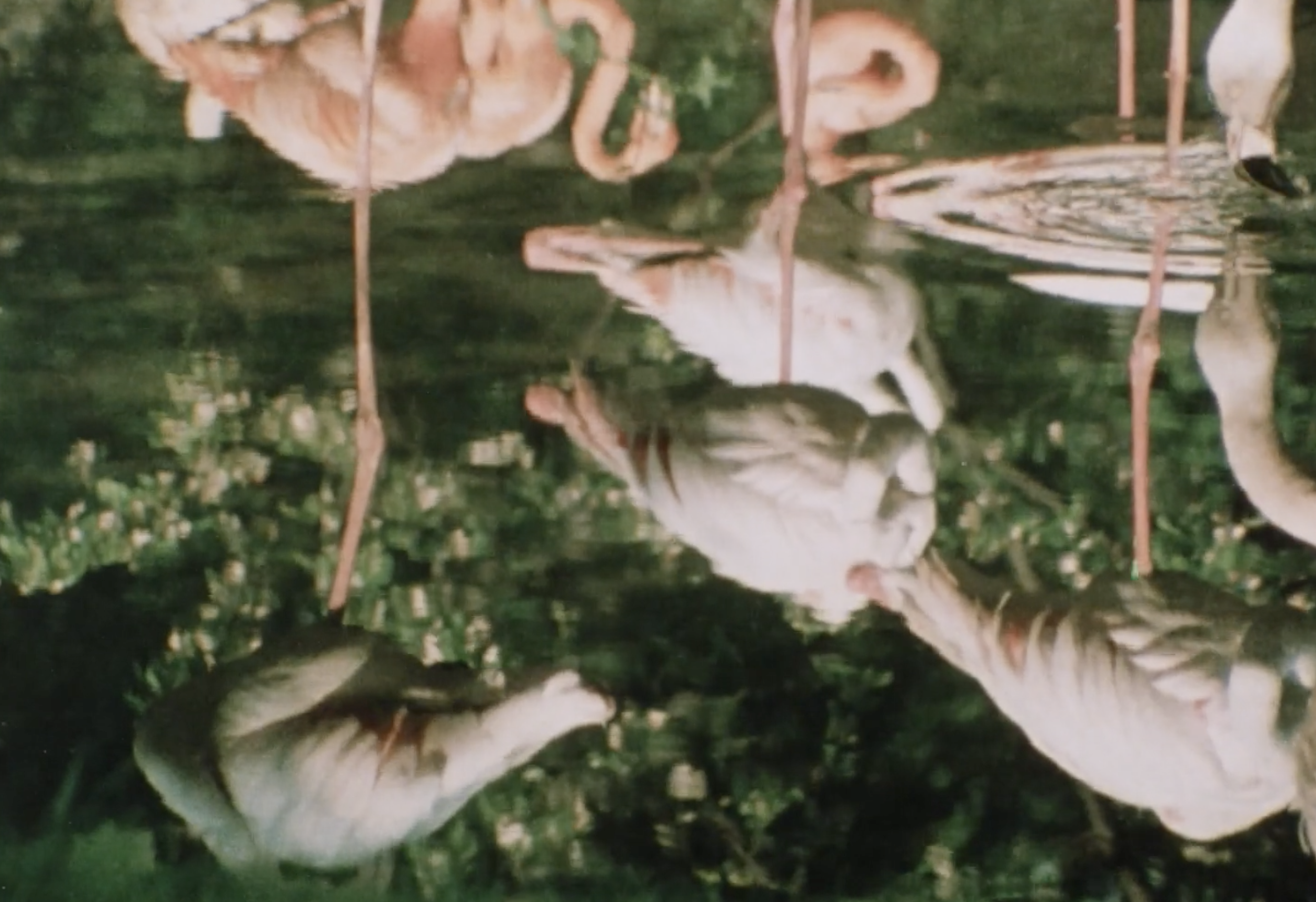
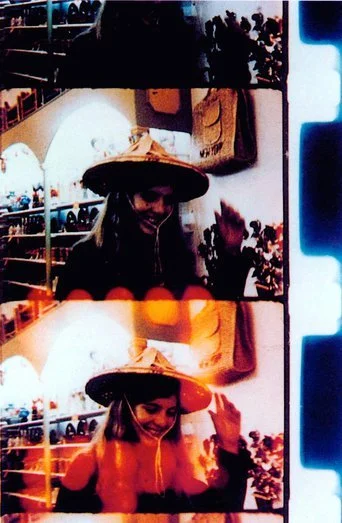
Like its predecessor, HOW TO BE A HOMOSEXUAL PART II sees Roger Jacoby fuse his distinctive hand-processed visual style with a newfound political consciousness. This film in particular, made shortly following Jacoby’s HIV diagnosis, exemplifies the adage “the personal is political.” It is undoubtedly his most intimate and moving work.

Read More
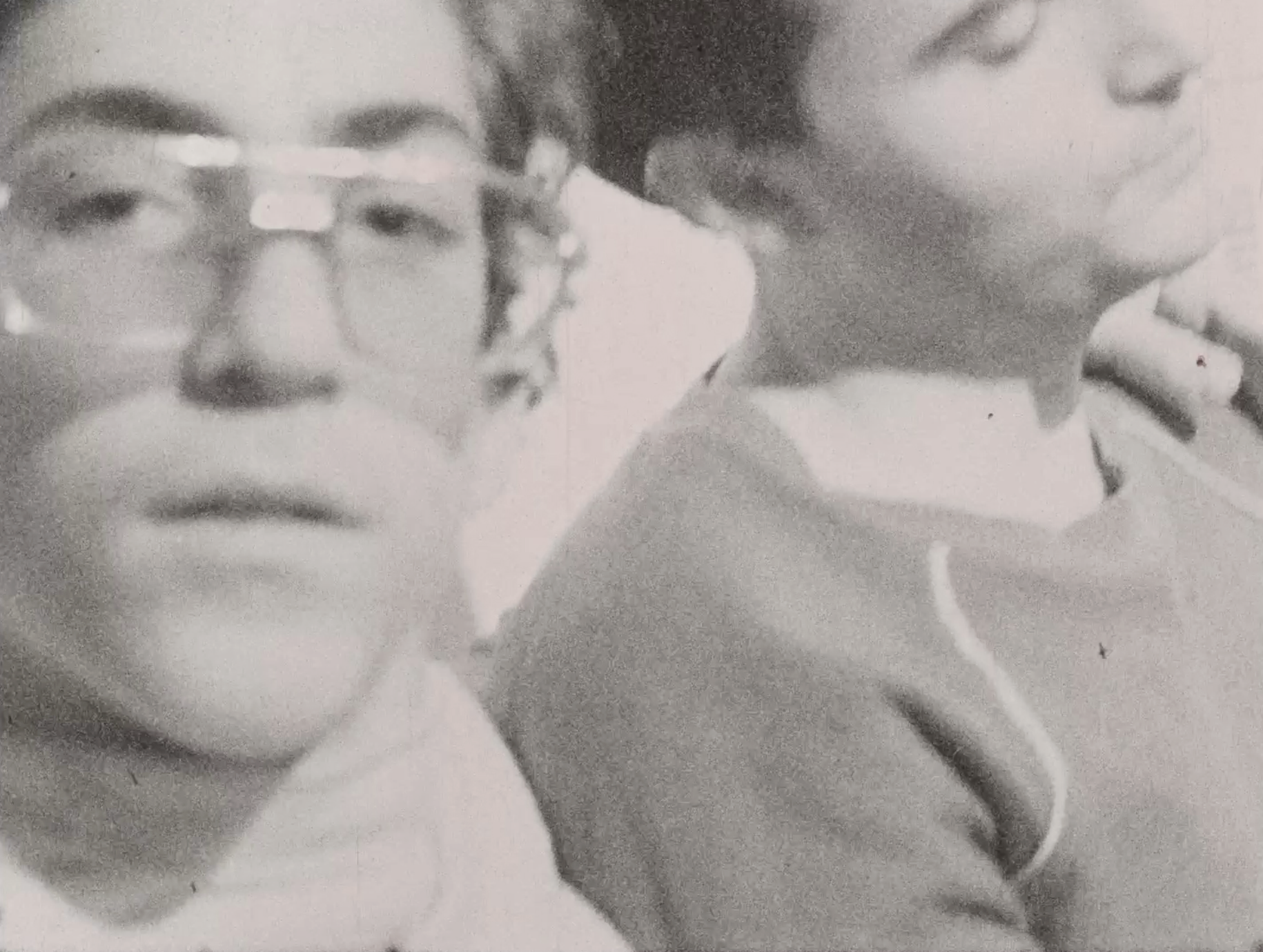
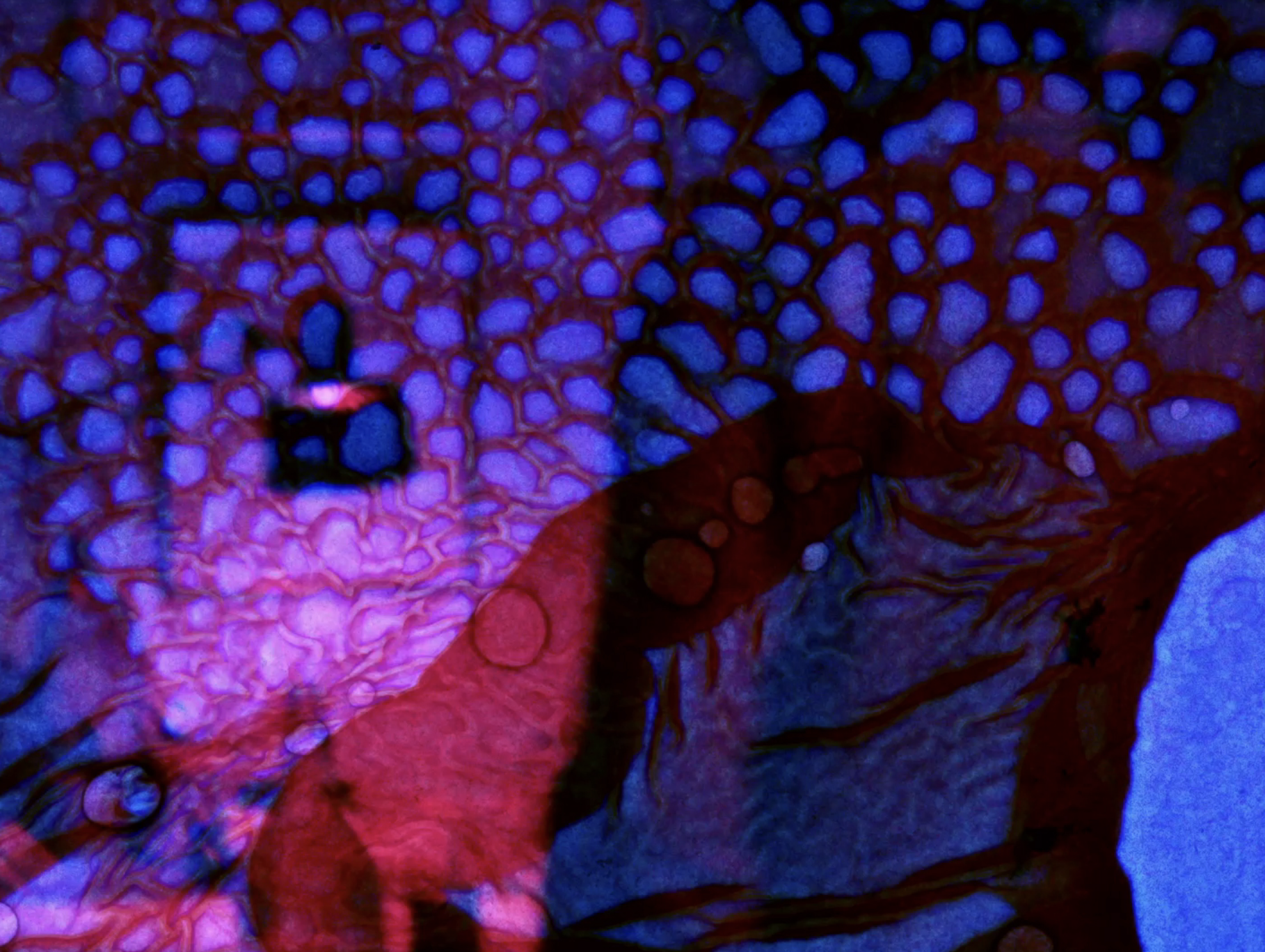
HOW TO BE A HOMOSEXUAL PART I (US, 1980, Roger Jacoby)

HOW TO BE A HOMOSEXUAL PART I (US, 1980, Roger Jacoby)

HOW TO BE A HOMOSEXUAL began, said Jacoby, as ‘excerpts from a compilation journal work begun in 1979. It is an ironic title — there's nothing sexually explicit about the film.’ But the film is richly sensual... In every scene, the emulsion captures the images, enhances, then betrays, overpowers and destroys them, as the patterns and color reshape the filmed reality into a different landscape.” —Kathleen Tyner, Cinematograph

Read More

L'AMICO FRIED'S GLAMOROUS FRIENDS (US, 1976, Roger Jacoby)

L'AMICO FRIED'S GLAMOROUS FRIENDS (US, 1976, Roger Jacoby)

"In L'AMICO FRIED'S GLAMOROUS FRIENDS, which is built around a pas de deux by Ondine and Sally Dixon... the relationship to traditional dramatic narrative is rather obvious; the actors are in well-defined roles and are recognizable in them, and the films are as such accessible. More or less. And it is this more or less quality in which I am most interested; because the drama isn't the main object of his presentation, rather a component in Jacoby's total formal approach to film." —Carmen Vigil, Museum of Modern Art program notes, Field of Vision

Read More

DREAM SPHINX OPERA (US, 1974, Roger Jacoby)

DREAM SPHINX OPERA (US, 1974, Roger Jacoby)

Ondine and Sally Dixon “star” as ecstatic 19th century lovers in Roger Jacoby’s first home-processed film. Nickelodeon imagery, school children of Pittsburgh and the Pittsburgh Botanical Conservatory are seen throughout.

Read More

THE LOVES OF PHARAOH (Germany, 1922, Ernst Lubitsch)

THE LOVES OF PHARAOH (Germany, 1922, Ernst Lubitsch)

Gartenberg Media is pleased to present Ernst Lubitsch's landmark work of German silent cinema, 1922's THE LOVES OF PHARAOH, as a Digital Site License, now available to North American academic institutions. To inquire about purchasing this title for institutional use, please contact sales@gartenbergmedia.com.

Read More

DAYS IN SINTRA (Brazil, 2008, Paula Gaitán)

DAYS IN SINTRA (Brazil, 2008, Paula Gaitán)

In 2008, GME President Jon Gartenberg programmed Paula Gaitán’s experimental documentary DAYS IN SINTRA at the Tribeca Film Festival. 18 years later, GME is pleased to distribute Gaitán’s landmark film as a Digital Site License to academic and cultural institutions in the United States.

Read More

FRIENDLY WITNESS (US, 1989, Warren Sonbert)

FRIENDLY WITNESS (US, 1989, Warren Sonbert)

Curator Jon Gartenberg writes: “In FRIENDLY WITNESS, Sonbert returned, after 20 years, to sound. In the first section of the film, he deftly edits a swirling montage of images — suggestive of loves gained and love lost — to the tunes of four rock songs. “At times the words of the songs seem to relate directly to the images we see... at other times words and images seem to be working almost at cross-purposes or relating only ironically. Similarly, at times the image rhythm and music rhythm appear to dance together, while at others they go their separate ways.” (Fred Camper).”

Read More

HONOR AND OBEY (US, 1988, Warren Sonbert)

HONOR AND OBEY (US, 1988, Warren Sonbert)

In Warren Sonbert's HONOR AND OBEY, soldiers march in formation, a tiger stalks through the snow, religious processions wind through the streets, and palm trees wave in a tropical breeze. As brightly colored images of authority figures blend into scenes of cocktail parties, this 21-minute silent film flows along with the grace of a musical score built on complex tensions hidden among notes.

Read More

THE CUP AND THE LIP (US, 1986, Warren Sonbert)

THE CUP AND THE LIP (US, 1986, Warren Sonbert)

Warren Sonbert’s THE CUP AND THE LIP screened in the 1987 Whitney Biennalie, where it was described as “continu[ing] his series of cinematic diaries, composed of sequences and shots recorded during his travels. One of his most striking color films, THE CUP AND THE LIP portrays people at ease as private individuals and at attention as representatives of state. Although personal in tone, it is a political text with mediates on the nature of authority.”

Read More

AS I WAS MOVING AHEAD OCCASIONALLY I SAW BRIEF GLIMPSES OF BEAUTY (US, 2000, Jonas Mekas)

AS I WAS MOVING AHEAD OCCASIONALLY I SAW BRIEF GLIMPSES OF BEAUTY (US, 2000, Jonas Mekas)

AS I WAS MOVING AHEAD OCCASIONALLY I SAW BRIEF GLIMPSES OF BEAUTY sees Jonas Mekas reconstruct his life through various home movies filmed over the course of three decades. Footage includes picnics and birthday parties as well as significant life events, such as Mekas’ children taking their first steps. Throughout, Mekas offers his own commentary via voiceover about what the viewer is seeing.

Read More

WALDEN (US, 1969, Jonas Mekas)

WALDEN (US, 1969, Jonas Mekas)

Filmed from 1964 to 1969, WALDEN is Jonas Mekas’ first completed diary film, composed of moments, people, and events captured with his Bolex 16mm camera. At once intimate and epic in scope, WALDEN vacillates between the New York avant-garde scene of the mid-to-late 1960s (with Mekas’ lens immortalizing such notable friends and colleagues as Andy Warhol, John Lennon, Yoko Ono, and The Velvet Underground) and quotidian moments from Mekas’ family and day-to-day life.

Read More

THE BRIG (US, 1964, Jonas Mekas)

THE BRIG (US, 1964, Jonas Mekas)

Jonas MekasTHE BRIG is a filmic rendering of the off-Broadway play of the same name, written by Kenneth H. Brown, which chronicles the abuses and indignities suffered by inmates at a Marine Corps prison. Brown wrote the play based on his own experiences as a U.S. Marine who spent 30 days in a brig for being absent without leave while serving with the Third Marines at Camp Fuji, Japan in the 1950s.

Read More

CARRIAGE TRADE (US, 1973, Warren Sonbert)

CARRIAGE TRADE (US, 1973, Warren Sonbert)

Warren Sonbert considered CARRIAGE TRADE (1973) his “magnum opus.” In this film, Sonbert interweaves footage taken from his journeys throughout Europe, Africa, Asia, and the United States, together with shots he removed from the camera originals of a number of his earlier films.

Read More

ELEGY IN THE STREETS (US, 1989, Jim Hubbard)

ELEGY IN THE STREETS (US, 1989, Jim Hubbard)

ELEGY IN THE STREETS was shot by filmmaker Jim Hubbard during the height of the Reagan Presidency, when both Reagan and his political administration ignored the deadly disease that afflicted an endless parade of human beings who ultimately died of AIDS. Hubbard’s film is replete with imagery associated with this era, including Gay Pride marches, candlelight vigils, ACT UP demonstrations, T-shirts embossed with bloody hands, cardboard headstones, police arrests, and the American flag hung upside down. As such, this movie can be viewed as a counterculture tract, a political protest film, an experimental documentary, and a diary film about Hubbard’s late partner and fellow filmmaker Roger Jacoby

Read More

AWARD PRESENTATION TO ANDY WARHOL (US, 1964, Jonas Mekas)

AWARD PRESENTATION TO ANDY WARHOL (US, 1964, Jonas Mekas)

When Andy Warhol refused to appear in public to accept the 1964 Film Culture magazines annual Independent Film Award, Jonas Mekas made this mock “documentary” of Warhol and a group of his superstars at the Factory. They are presented a basket of fruit which they then consume in slow motion.

Read More

JOURNEY TO LITHUANIA (US, 1971, Pola Chapelle)

JOURNEY TO LITHUANIA (US, 1971, Pola Chapelle)

During their trip back to Lithuania, Jonas Mekas made REMINISCENES OF A JOURNEY TO LITHUANIA, his brother Adolfas Mekas made GOING HOME in collaboration with his wife Pola Chapelle, and Chapelle herself made JOURNEY TO LITHUANIA, which both Jonas and Adolfas said was the best of these three films.

Read More

HE STANDS IN A DESERT COUNTING THE SECONDS OF HIS LIFE (US, 1969-1985, Jonas Mekas)

HE STANDS IN A DESERT COUNTING THE SECONDS OF HIS LIFE (US, 1969-1985, Jonas Mekas)

The Diary Film was a significant form that has run throughout the history of American independent cinema, and whose major practitioner has been filmmaker Jonas Mekas. GME is therefore pleased to distribute HE STANDS IN A DESERT COUNTING THE SECONDS OF HIS LIFE as a DSL file to North American universities.

Read More

THIS SIDE OF PARADISE (US, 1999, Jonas Mekas)

THIS SIDE OF PARADISE (US, 1999, Jonas Mekas)

“I had the fortune to spend some time, mostly during the summers, with Jackie Kennedy's and her sister Lee Radziwill's families and children. Cinema was an integral, inseparable, as a matter of fact, a key part of our friendship.” —Jonas Mekas

Read More

HAPPY BIRTHDAY TO JOHN (US, 1995, Jonas Mekas)

HAPPY BIRTHDAY TO JOHN (US, 1995, Jonas Mekas)

"On October 9th, 1972, half of the music world gathered in Syracuse, N.Y., to celebrate the opening of John Lennon/Yoko Ono Fluxus show, designed by George Maciunas. [The] same day, a smaller group gathered in a local hotel room to celebrate John's birthday." —Jonas Mekas

Read More