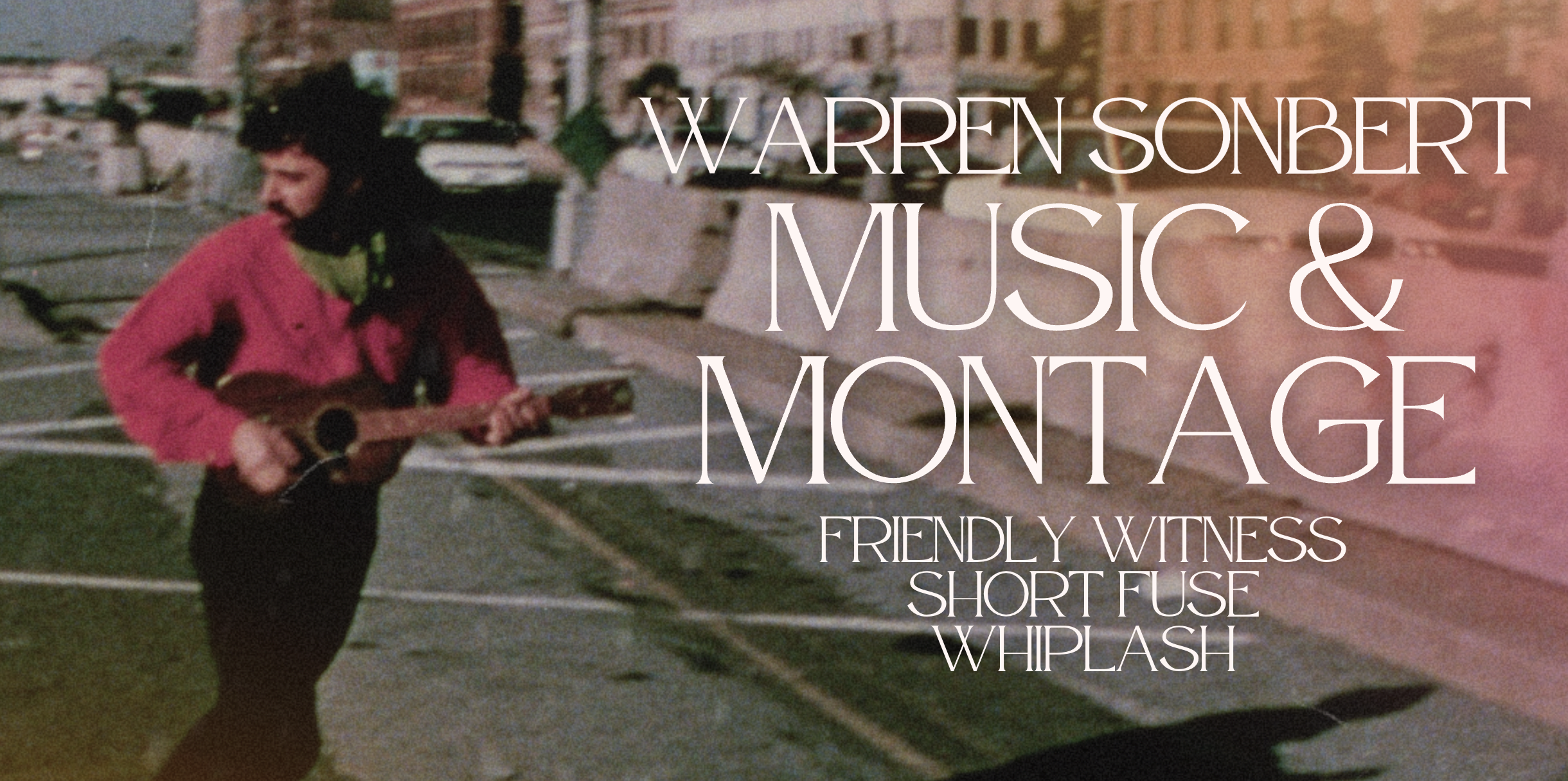
Warren Sonbert: Music & Montage

Warren Sonbert: Music & Montage

Beginning with 1989’s FRIENDLY WITNESS, Warren Sonbert once again began using music in his films, thereby fusing the aural style of his early New York works with the polyvalent montage approach he had honed as a silent filmmaker over the past 15 years. 1991’s SHORT FUSE is perhaps the artist’s most intense work — featuring a variegated soundtrack and created shortly following his HIV diagnosis — while his final film, 1995’s WHIPLASH, was completed posthumously.

Read More

Sonbert in the Eighties

Sonbert in the Eighties

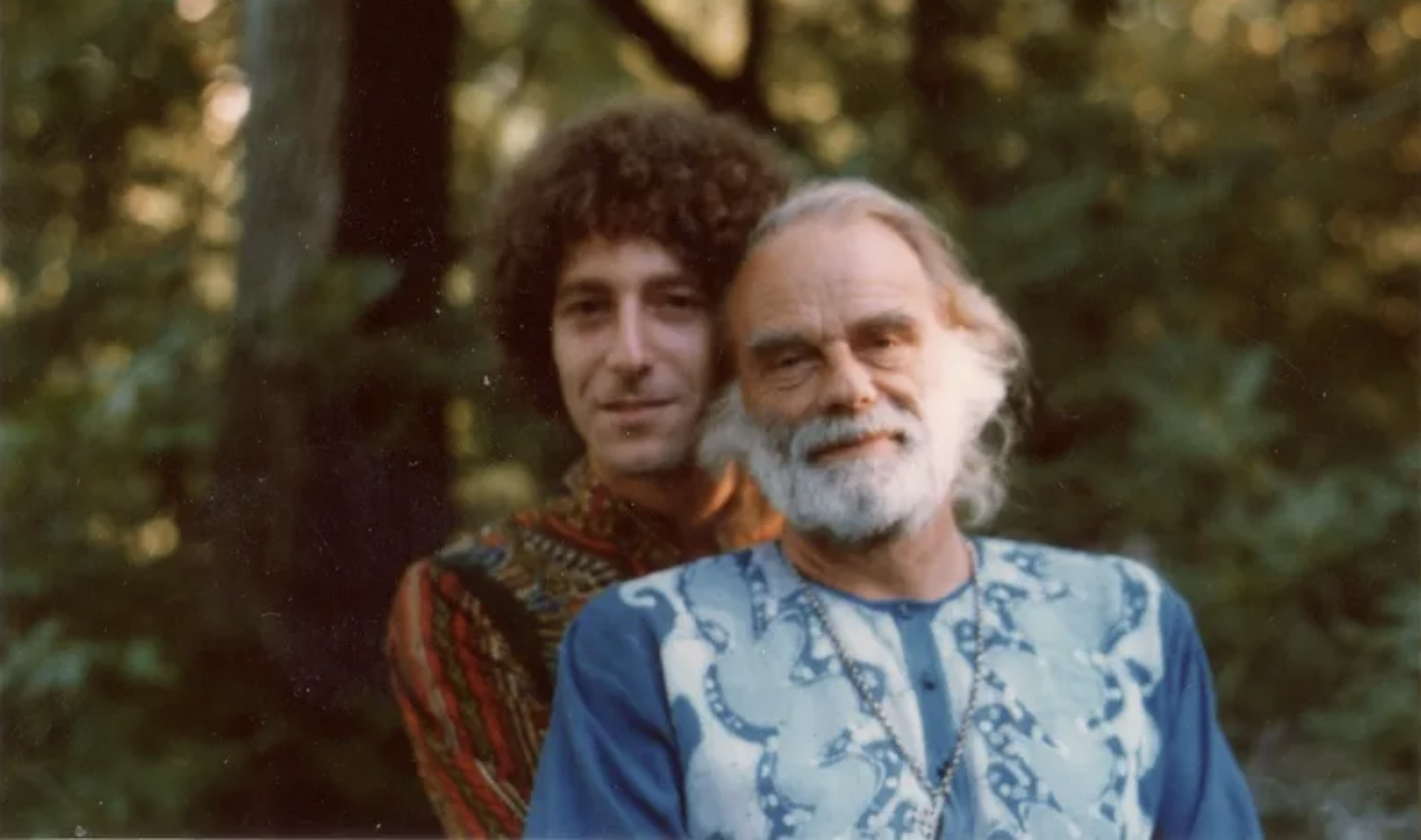
Sonbert continued working in silent polyvalent montage well into the 1980s — a time when many Americans turned to reactionary values under Ronald Reagan’s administration. In spite of the country’s neo-conservative climate, Sonbert’s films did not sacrifice their global purview, intellectual sophistication, or political edge. From 1981’s NOBLESSE OBLIGE to 1983’s A WOMAN’S TOUCH, 1986’s THE CUP AND THE LIP, and 1988’s HONOR AND OBEY, Sonbert explored everything from gender roles to religious organizations, the effect of global institutions of power on the proletariat, and the aftermath of Harvey Milk’s assassination.

Read More

Big Joy: The Films of James Broughton and Joel Singer

Big Joy: The Films of James Broughton and Joel Singer

In 1979, while working as a curator and archivist in The Museum of Modern Art’s Department of Film, Jon Gartenberg programmed four films by James Broughton: FOUR IN THE AFTERNOON (1951), THE PLEASURE GARDEN (1953), THE GOLDEN POSITIONS (1970), and SONG OF THE GODBODY (1977) — the lattermost a collaboration between Broughton and his longtime partner, Joel Singer. GME is pleased to welcome a selection of films by Broughton into our collection, including five of his collaborations with Singer, which are now available for rental or purchase by academic and cultural institutions worldwide. 47 years following the aforementioned MoMA program, this acquisition of Broughton’s and Singer’s films represents a full-circle moment in Gartenberg’s curatorial career and his advocacy of these great artists’ work. These films, spanning 1948-1988, are available individually as well as across three packages: Early Films by James Broughton, James Broughton: The Second Act, and Broughton & Singer.

Read More

FRIENDLY WITNESS (US, 1989, Warren Sonbert)

FRIENDLY WITNESS (US, 1989, Warren Sonbert)

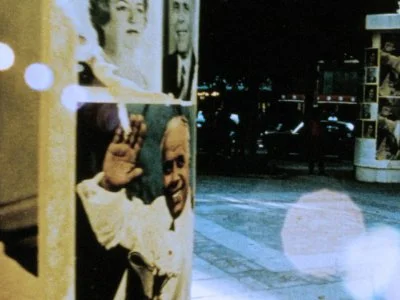
Curator Jon Gartenberg writes: “In FRIENDLY WITNESS, Sonbert returned, after 20 years, to sound. In the first section of the film, he deftly edits a swirling montage of images — suggestive of loves gained and love lost — to the tunes of four rock songs. “At times the words of the songs seem to relate directly to the images we see... at other times words and images seem to be working almost at cross-purposes or relating only ironically. Similarly, at times the image rhythm and music rhythm appear to dance together, while at others they go their separate ways.” (Fred Camper).”

Read More

THE CUP AND THE LIP (US, 1986, Warren Sonbert)

THE CUP AND THE LIP (US, 1986, Warren Sonbert)

Warren Sonbert’s THE CUP AND THE LIP screened in the 1987 Whitney Biennalie, where it was described as “continu[ing] his series of cinematic diaries, composed of sequences and shots recorded during his travels. One of his most striking color films, THE CUP AND THE LIP portrays people at ease as private individuals and at attention as representatives of state. Although personal in tone, it is a political text with mediates on the nature of authority.”

Read More

NOBLESSE OBLIGE (US, 1981, Warren Sonbert)

NOBLESSE OBLIGE (US, 1981, Warren Sonbert)

NOBLESSE OBLIGE is masterfully edited work featuring imagery Sonbert filmed of protests in San Francisco following the murders of Mayor George Moscone and Councilman Harvey Milk at the hands of Dan White. Sonbert modeled the structure of this film on Douglas Sirk’s TARNISHED ANGELS (1957). Sirk himself appears at the end of the film, engaging in conversation, over coffee, with filmmakers Nathaniel Dorsky and Jerome Hiler.

Read More