Warren Sonbert: Music & Montage

Warren Sonbert: Music & Montage

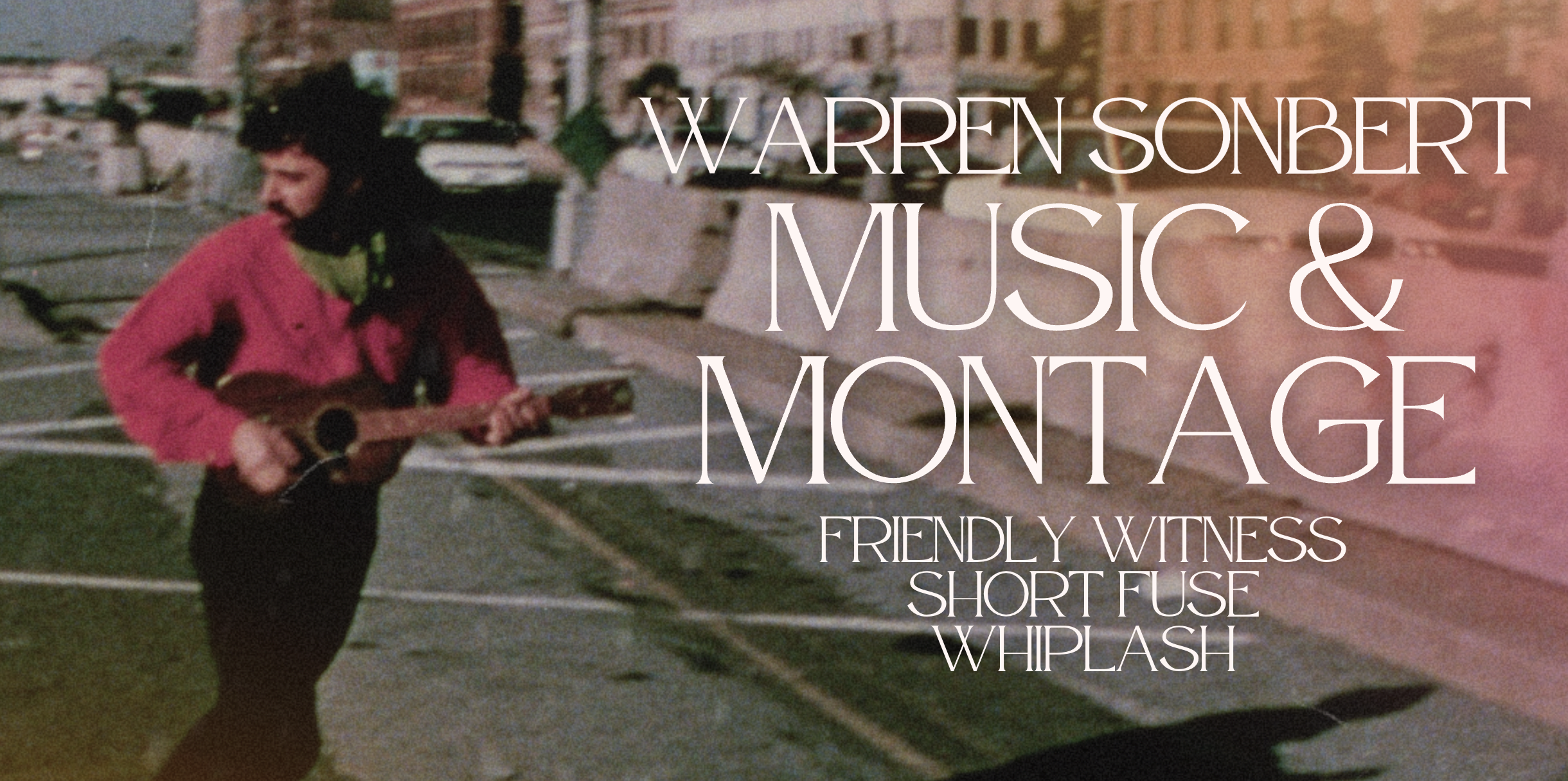
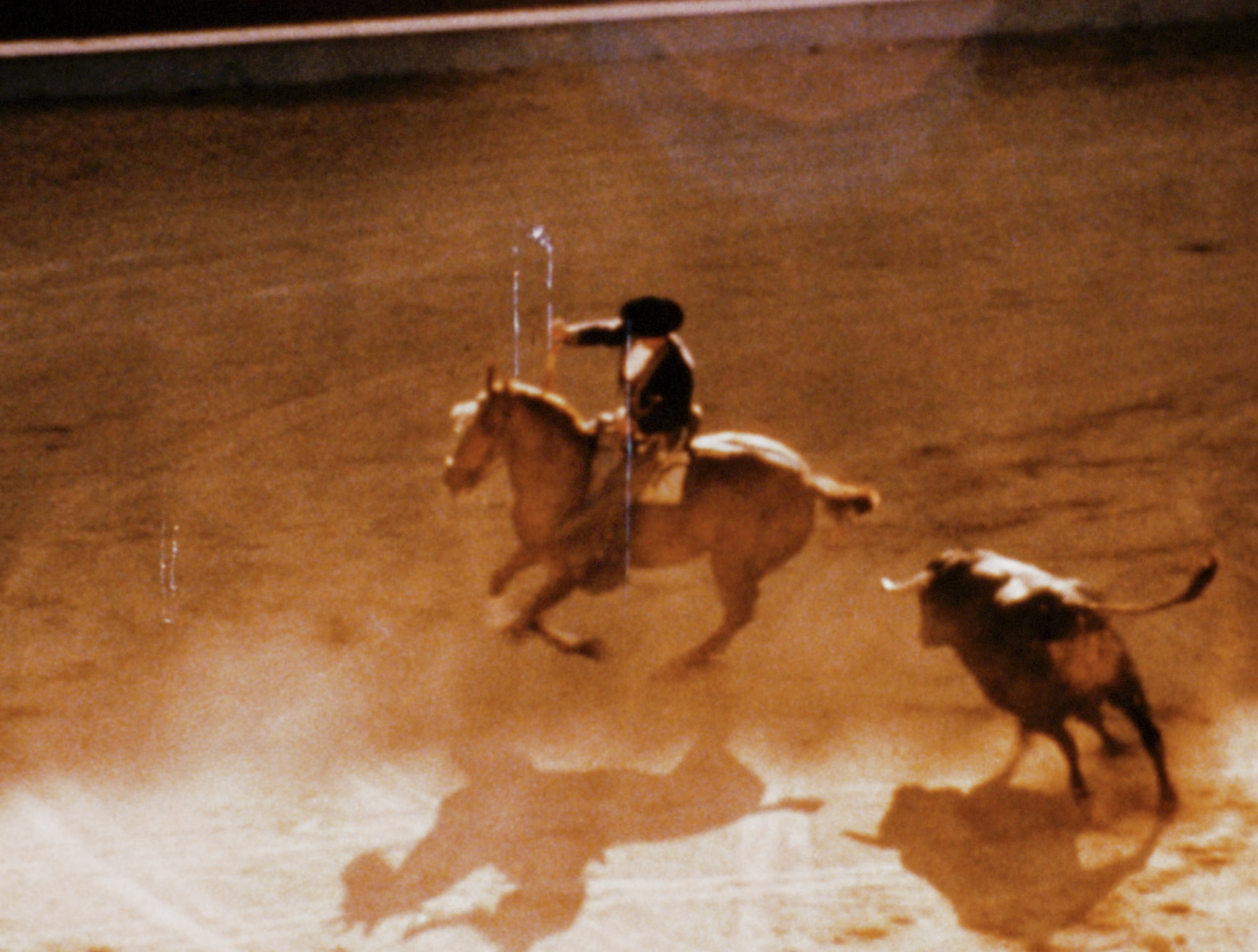
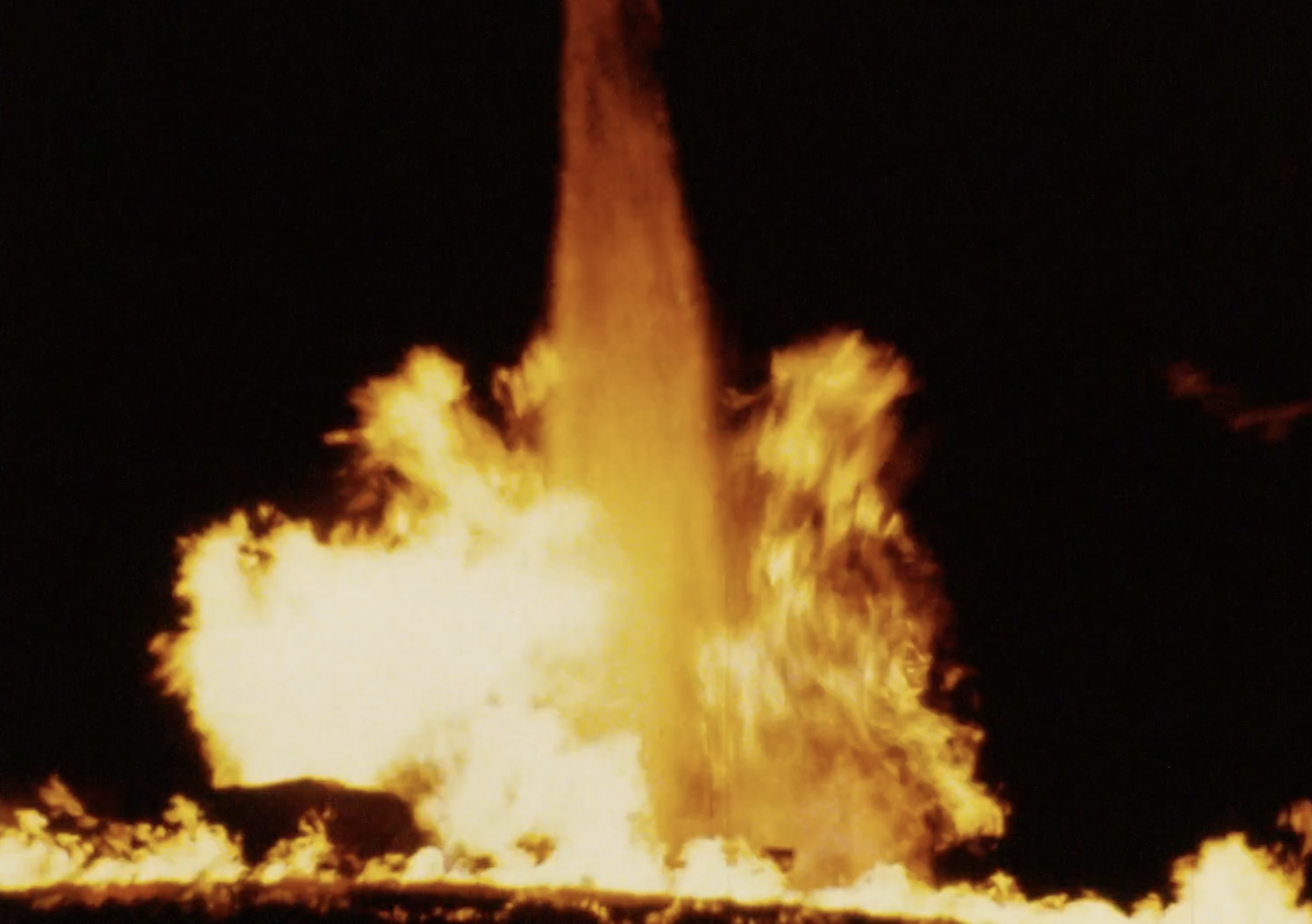
Beginning with 1989’s FRIENDLY WITNESS, Warren Sonbert once again began using music in his films, thereby fusing the aural style of his early New York works with the polyvalent montage approach he had honed as a silent filmmaker over the past 15 years. 1991’s SHORT FUSE is perhaps the artist’s most intense work — featuring a variegated soundtrack and created shortly following his HIV diagnosis — while his final film, 1995’s WHIPLASH, was completed posthumously.

Read More
Sonbert in the Eighties

Sonbert in the Eighties

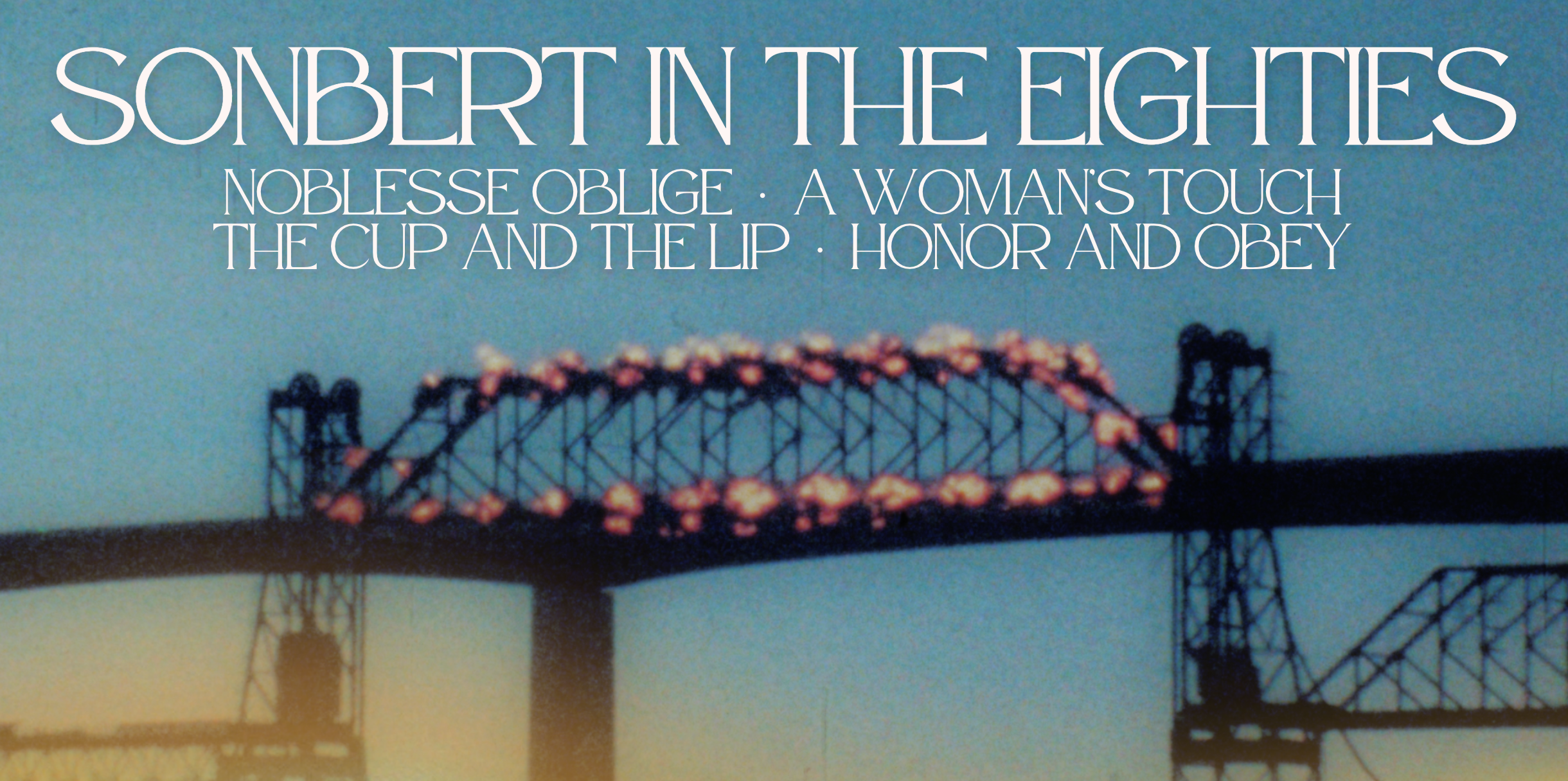
Sonbert continued working in silent polyvalent montage well into the 1980s — a time when many Americans turned to reactionary values under Ronald Reagan’s administration. In spite of the country’s neo-conservative climate, Sonbert’s films did not sacrifice their global purview, intellectual sophistication, or political edge. From 1981’s NOBLESSE OBLIGE to 1983’s A WOMAN’S TOUCH, 1986’s THE CUP AND THE LIP, and 1988’s HONOR AND OBEY, Sonbert explored everything from gender roles to religious organizations, the effect of global institutions of power on the proletariat, and the aftermath of Harvey Milk’s assassination.

Read More

Sonbert in the Seventies

Sonbert in the Seventies

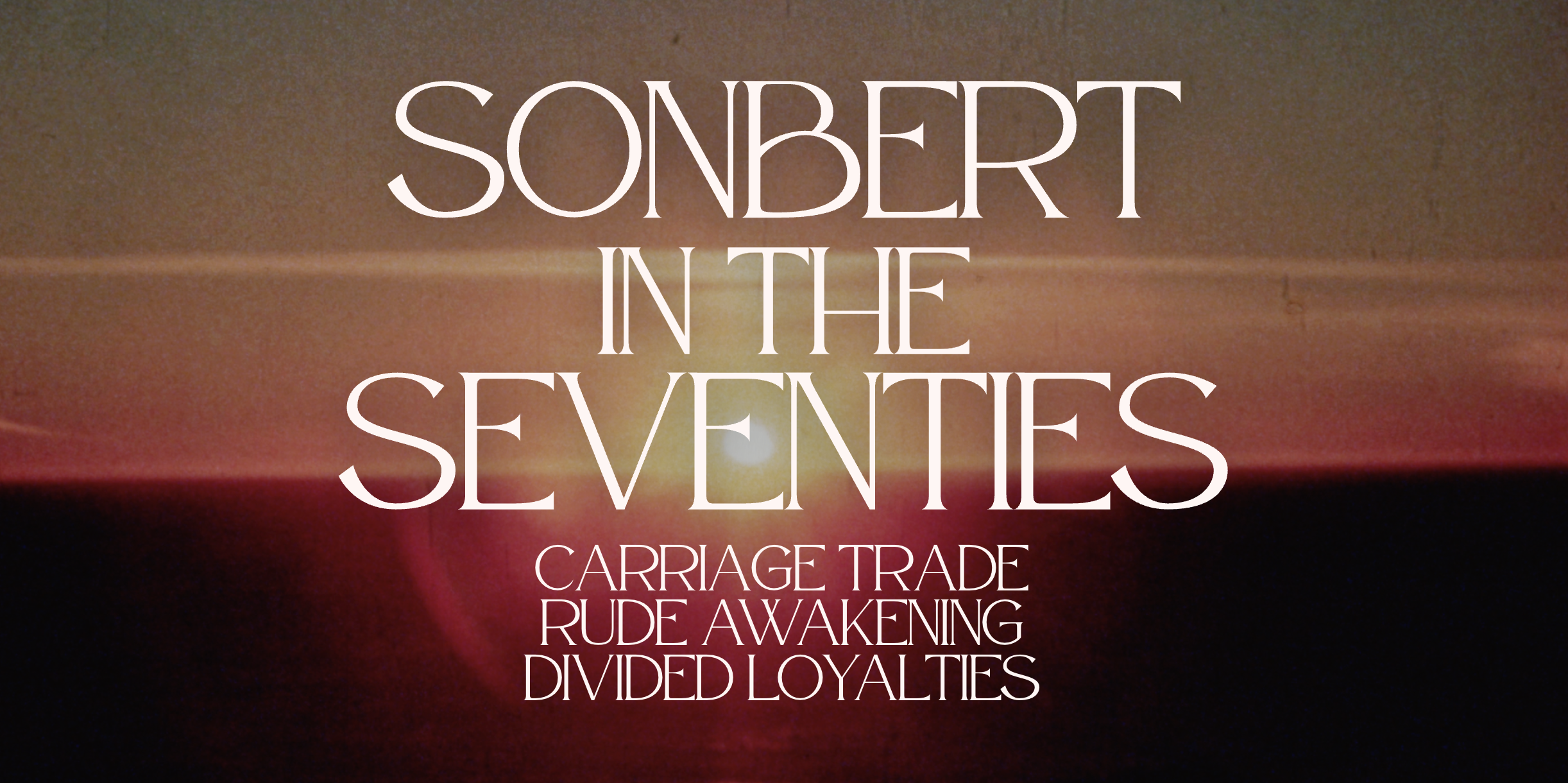
Beginning in the 1970s, Warren Sonbert moved away from the pop music-inspired, quasi-narrative style of his early New York films towards a more sophisticated, silent filmmaking approach dubbed “polyvalent montage.” In the aftermath of Sixties’ communal hippiedom, which proved ecstatic and tragic in equal measure, many people turned inward and embraced introspection. Sociologists therefore dubbed the Seventies the “Me Decade.” While many artists followed that trend, Sonbert chose to look outward. The triptych of films he made during this enigmatic and politically-fraught decade — 1973’s CARRIAGE TRADE, 1976’s RUDE AWAKENING, and 1978’s DIVIDED LOYALTIES — intricately amalgamate footage from the artist’s many global travels.

Read More

Defiance and Documentation: Four Films by Roger Jacoby

Defiance and Documentation: Four Films by Roger Jacoby

Roger Jacoby (1944—1985) was a pioneering experimental filmmaker whose wildly improvisational, hand-processed works showcased a painterly and diaristic approach and, in his last films, a fervent political consciousness. His filmmaking career spanned from 1972 until his untimely death due to complications from AIDS in 1985, during which he completed eight films. Gartenberg Media is pleased to distribute four of these films — 1974’s DREAM SPHINX OPERA, 1976’s L’AMICO FRIED’S GLAMOROUS FRIENDS, 1980’s HOW TO BE A HOMOSEXUAL PART I, and Jacoby’s final film, 1982’s HOW TO BE A HOMOSEXUAL PART II — as Digital Site Licenses to academic and cultural institutions worldwide. These titles were recently restored by the Berkeley Art Museum and Pacific Film Archive through the National Film Preservation Foundation’s Avant-Garde Masters Grant.

Read More

FRAGMENT (Southeast Asia, 2015, Various Directors)

FRAGMENT (Southeast Asia, 2015, Various Directors)

GME is pleased to distribute the new omnibus film FRAGMENT, commissioned by the Asian Film Archive. This release is an important expansion of GME's deeper reach into Asian cinema and contemporary short and experimental films, including works from Singapore, Cambodia, Indonesia, Thailand, Vietnam, and the Philippines, among other countries.

Read More

THE SUBURBAN TRILOGY (US, 2004—11, Abigail Child)

THE SUBURBAN TRILOGY (US, 2004—11, Abigail Child)

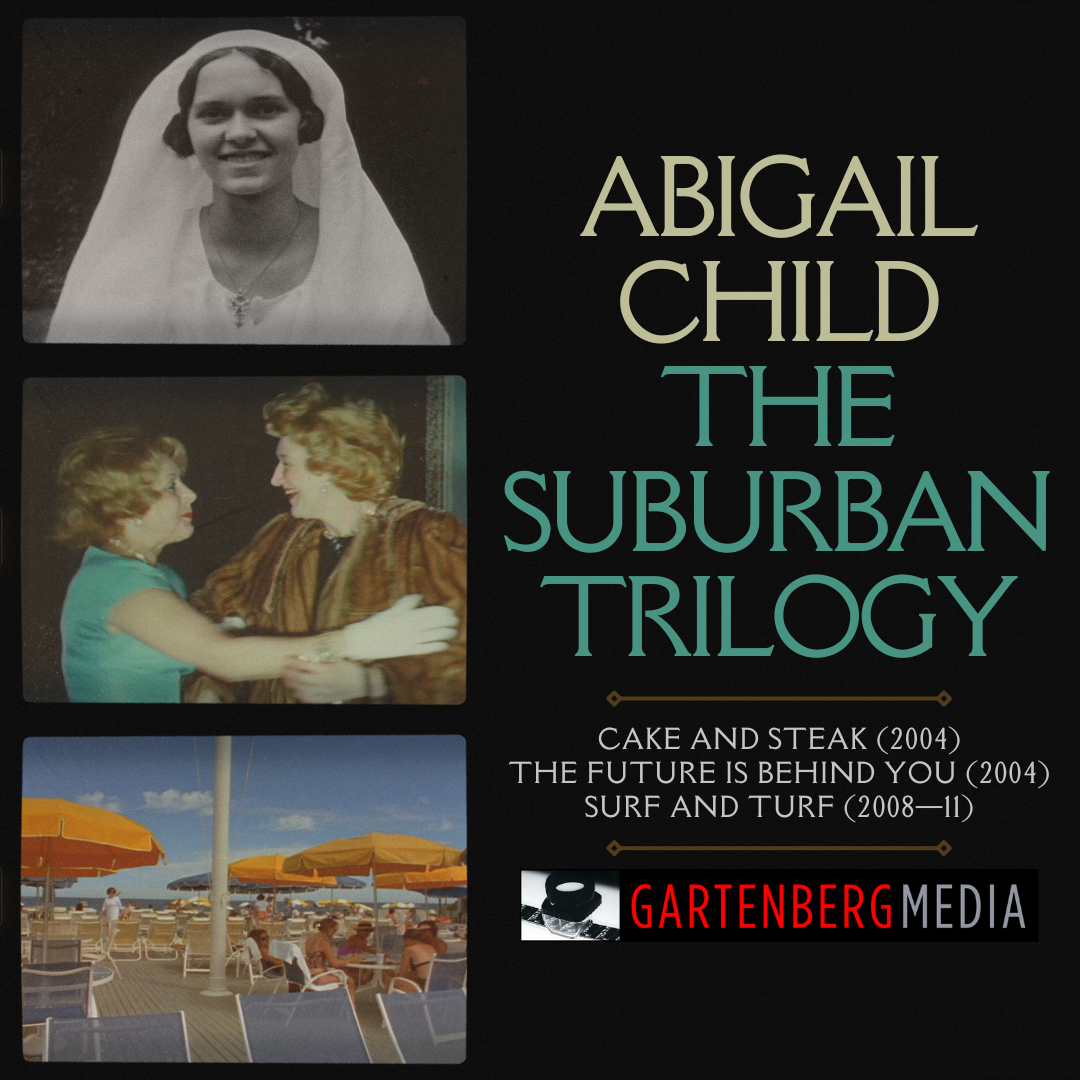
In THE SUBURBAN TRILOGY (2011), Abigail Child brings together three separately created films – CAKE AND STEAK (2004), THE FUTURE IS BEHIND YOU (200—5), and SURF AND TURF (2011). These three films provide a multifaceted and incisive commentary on female identity.

Read More

WHIPLASH (US, 1995—97, Warren Sonbert)

WHIPLASH (US, 1995—97, Warren Sonbert)

WHIPLASH is the final film by Warren Sonbert, a globe-spanning collage haunted by themes of mortality. Sonbert made WHIPLASH in the years following his HIV diagnosis; his vision and motor skills impaired, he gave his companion, Ascension Serrano, detailed instructions about the assembly of specific shots and the music to be used as a counterpoint to the images. Before his death in 1995, he asked filmmaker Jeff Scher (a former student of Sonbert's at Bard) to complete the film. WHIPLASH was also completed with assistance from the Film Preservation Project of the Estate Project for Artists with AIDS, of which GME President Jon Gartenberg was Program Director. The film premiered posthumously at the New York Film Festival in 1997.

Read More

SHORT FUSE (US, 1991, Warren Sonbert)

SHORT FUSE (US, 1991, Warren Sonbert)

Warren Sonbert described DIVIDED LOYALTIES as a film “about art versus industry and their various crossovers.” According to film critic Amy Taubin, “there is a clear analogy between the filmmaker and the dancers, acrobats and skilled workers who make up so much of his subject matter.”

Read More

FRIENDLY WITNESS (US, 1989, Warren Sonbert)

FRIENDLY WITNESS (US, 1989, Warren Sonbert)

Curator Jon Gartenberg writes: “In FRIENDLY WITNESS, Sonbert returned, after 20 years, to sound. In the first section of the film, he deftly edits a swirling montage of images — suggestive of loves gained and love lost — to the tunes of four rock songs. “At times the words of the songs seem to relate directly to the images we see... at other times words and images seem to be working almost at cross-purposes or relating only ironically. Similarly, at times the image rhythm and music rhythm appear to dance together, while at others they go their separate ways.” (Fred Camper).”

Read More

HONOR AND OBEY (US, 1988, Warren Sonbert)

HONOR AND OBEY (US, 1988, Warren Sonbert)

In Warren Sonbert's HONOR AND OBEY, soldiers march in formation, a tiger stalks through the snow, religious processions wind through the streets, and palm trees wave in a tropical breeze. As brightly colored images of authority figures blend into scenes of cocktail parties, this 21-minute silent film flows along with the grace of a musical score built on complex tensions hidden among notes.

Read More

THE CUP AND THE LIP (US, 1986, Warren Sonbert)

THE CUP AND THE LIP (US, 1986, Warren Sonbert)

Warren Sonbert’s THE CUP AND THE LIP screened in the 1987 Whitney Biennalie, where it was described as “continu[ing] his series of cinematic diaries, composed of sequences and shots recorded during his travels. One of his most striking color films, THE CUP AND THE LIP portrays people at ease as private individuals and at attention as representatives of state. Although personal in tone, it is a political text with mediates on the nature of authority.”

Read More

A WOMAN'S TOUCH (US, 1983, Warren Sonbert)

A WOMAN'S TOUCH (US, 1983, Warren Sonbert)

A WOMAN’S TOUCH demonstrates the evolution of Sonbert's work from an in-camera editing style to the perfection of a montage strategy. The film is also inspired by Alfred Hitchcock’s MARNIE (1964), which features a number of motifs; most notably, the color red. In A WOMAN’S TOUCH, the color red is seen throughout much of the film.

Read More

NOBLESSE OBLIGE (US, 1981, Warren Sonbert)

NOBLESSE OBLIGE (US, 1981, Warren Sonbert)

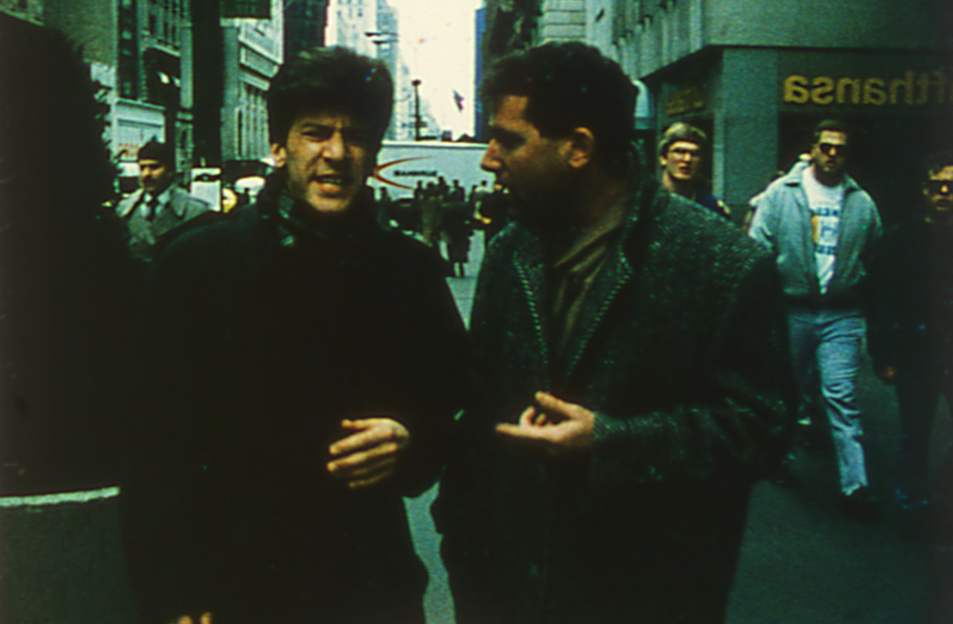
NOBLESSE OBLIGE is masterfully edited work featuring imagery Sonbert filmed of protests in San Francisco following the murders of Mayor George Moscone and Councilman Harvey Milk at the hands of Dan White. Sonbert modeled the structure of this film on Douglas Sirk’s TARNISHED ANGELS (1957). Sirk himself appears at the end of the film, engaging in conversation, over coffee, with filmmakers Nathaniel Dorsky and Jerome Hiler.

Read More

DIVIDED LOYALTIES (US, 1978, Warren Sonbert)

DIVIDED LOYALTIES (US, 1978, Warren Sonbert)

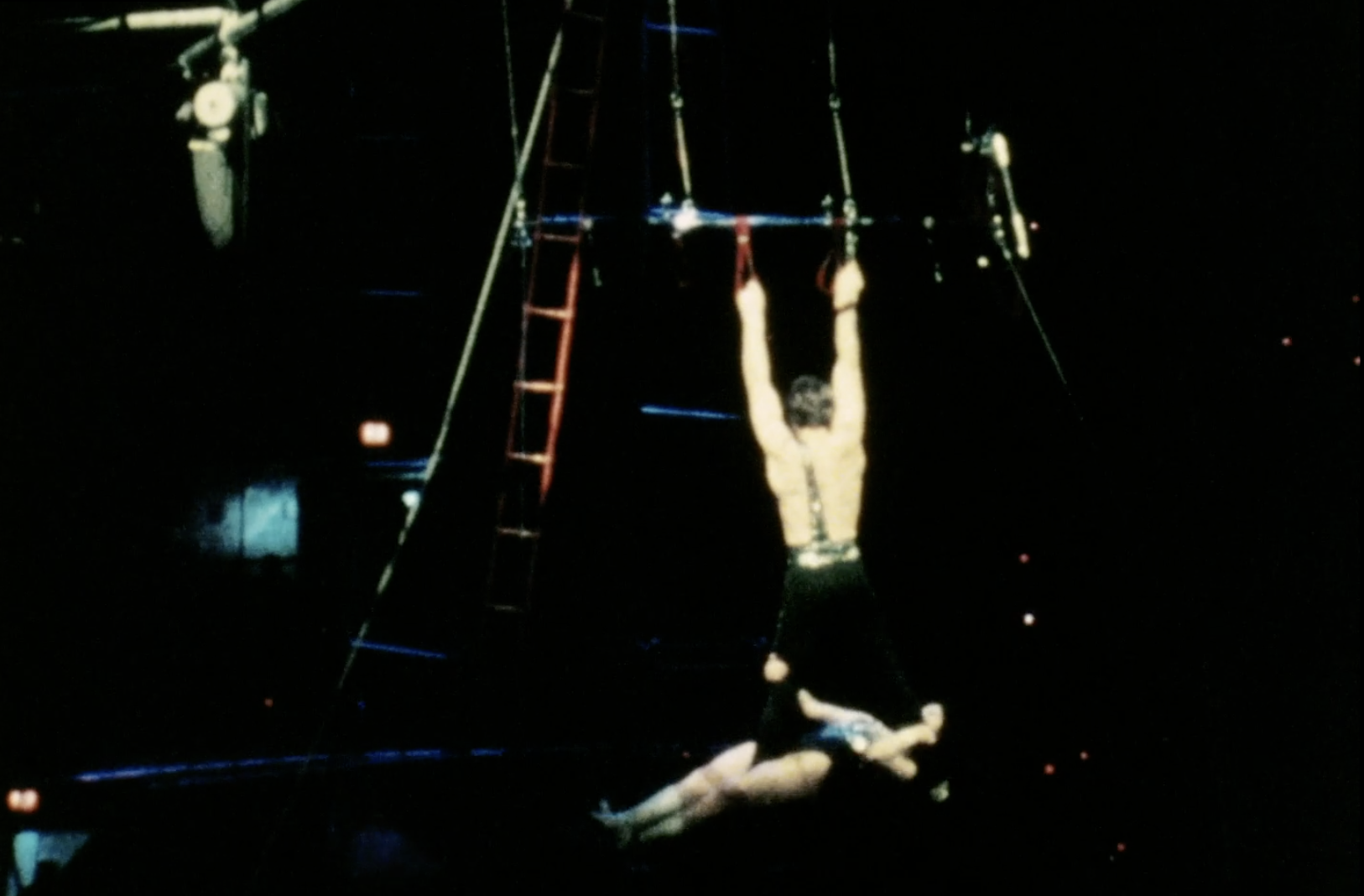
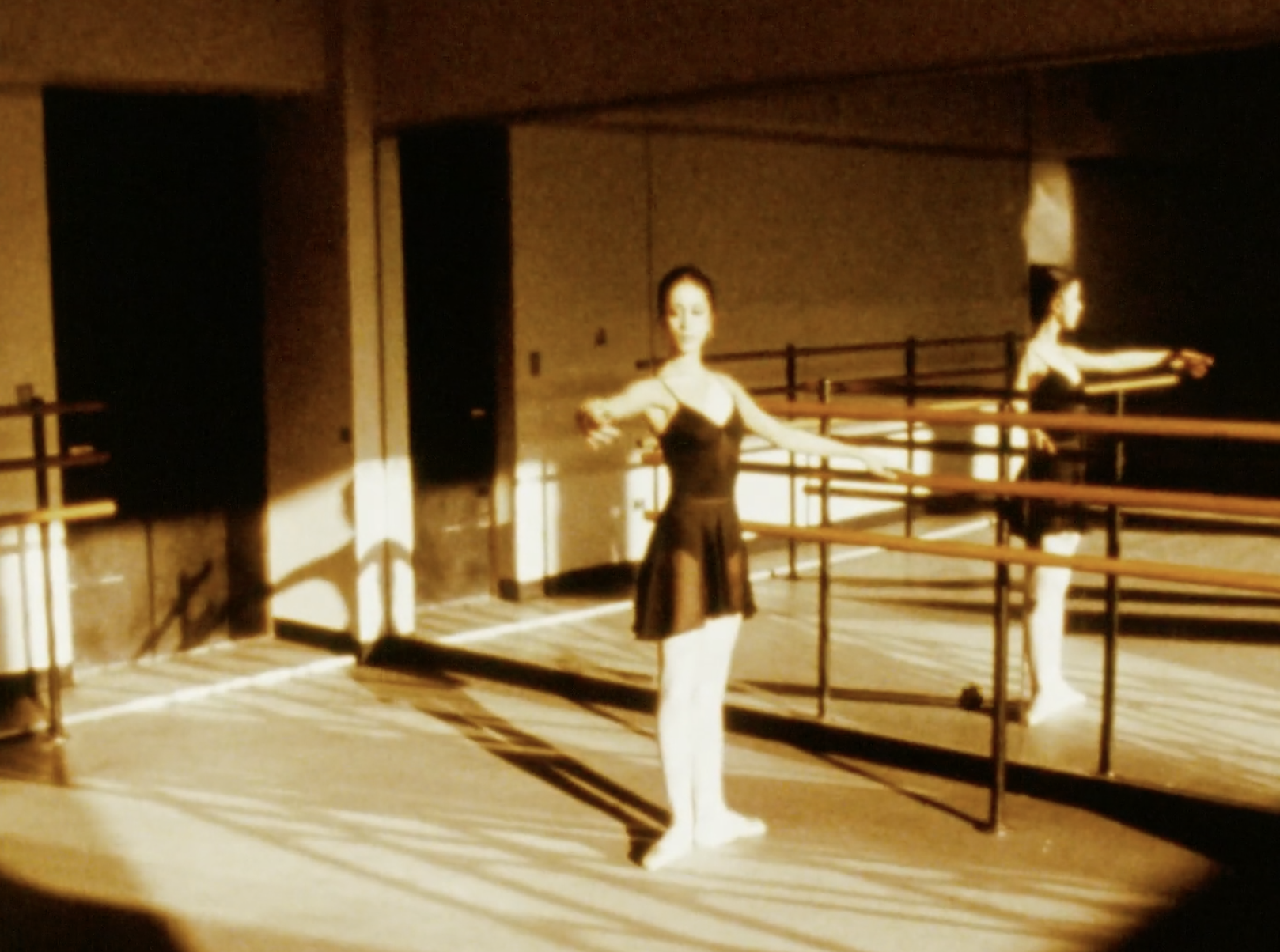
Warren Sonbert described DIVIDED LOYALTIES as a film “about art versus industry and their various crossovers.” According to film critic Amy Taubin, “there is a clear analogy between the filmmaker and the dancers, acrobats and skilled workers who make up so much of his subject matter.”

Read More

The Warren Sonbert Collection

The Warren Sonbert Collection

Warren Sonbert (1947—1995) was one of the seminal figures working in American experimental film. His early films — from 1966’s AMPHETAMINE through to 1973’s CARRIAGE TRADE — are currently available from GME as Digital Site Licenses (DSLs). Sonbert’s montage films will become available from GME later in 2025.

Read More

TUXEDO THEATRE (US, 1968, Warren Sonbert)

TUXEDO THEATRE (US, 1968, Warren Sonbert)

Filmed in 1968, Warren Sonbert considered THE TUXEDO THEATRE an early version of — or “dress rehearsal” for — the film he would ultimately regard as his magnum opus, 1973’s CARRIAGE TRADE. As in CARRIAGE TRADE, Sonbert traveled around the world to create a tightly-edited work of polyvalent montage in THE TUXEDO THEATRE. It was his first foray into this style of filmmaking following a series of short films, set to the popular music of the time, that documented his contemporaries (including Andy Warhol’s Factory scene) in mid-1960s New York.

Read More

CARRIAGE TRADE (US, 1973, Warren Sonbert)

CARRIAGE TRADE (US, 1973, Warren Sonbert)

Warren Sonbert considered CARRIAGE TRADE (1973) his “magnum opus.” In this film, Sonbert interweaves footage taken from his journeys throughout Europe, Africa, Asia, and the United States, together with shots he removed from the camera originals of a number of his earlier films.

Read More

THE TENTH LEGION (US, 1967, Warren Sonbert)

THE TENTH LEGION (US, 1967, Warren Sonbert)

In THE TENTH LEGION, Sonbert presents his college age friends at work and play, wandering the streets of NYC, lounging, shopping, and posing for the camera. The film stylistically exemplifies Sonbert’s masterful use of a constantly moving hand-held camera as it trails the teenage protagonists in choreographed fashion, and of chiaroscuro lighting effects in interior scenes.

Read More

THE BAD AND THE BEAUTIFUL (US, 1967, Warren Sonbert)

THE BAD AND THE BEAUTIFUL (US, 1967, Warren Sonbert)

One of the most profound themes coursing through Sonbert’s work is that of love between couples in all its pitfalls and perfect moments. To express this theme, Sonbert employed diverse cinematic strategies. These include in-camera editing (in THE BAD AND THE BEAUTIFUL,1967), twin-screen effects (in two “lost” films -- CONNECTION and TED AND JESSICA -- also both from 1967), and montage sequences (beginning with TUXEDO THEATRE, 1969).

Read More