


Defiance and Documentation: Four Films by Roger Jacoby
/
“Roger Jacoby was a transitional figure in the history of gay experimental film, bridging from filmmakers who preceded gay liberation, like Kenneth Anger, James Broughton, Andy Warhol, Mike Kuchar, Gregory Markopoulos, and others, to younger makers… whose entire worldview was forged by gay liberation.” —Sarah Schulman, writer, activist and historian
Roger Jacoby (1944—1985) was a pioneering experimental filmmaker whose wildly improvisational, hand-processed works showcased a painterly and diaristic approach and, in his last films, a fervent political consciousness. His filmmaking career spanned from 1972 until his untimely death due to complications from AIDS in 1985, during which he completed eight films. Gartenberg Media is pleased to distribute four of these films — 1974’s DREAM SPHINX OPERA, 1976’s L’AMICO FRIED’S GLAMOROUS FRIENDS, 1980’s HOW TO BE A HOMOSEXUAL PART I, and Jacoby’s final film, 1982’s HOW TO BE A HOMOSEXUAL PART II — as Digital Site Licenses to academic and cultural institutions worldwide. These titles were recently restored by the Berkeley Art Museum and Pacific Film Archive through the National Film Preservation Foundation’s Avant-Garde Masters Grant.
Originally trained as a painter at Pratt Institute and the New York Studio School, Jacoby became entrenched in the 1960s New York avant-garde art scene while working as a gallery assistant for his aunt, Rose Fried. One day on the street, he met Billy Linich (a.k.a. “Billy Name”) who brought him to Andy Warhol’s Factory. He soon met his long-time partner, Warhol “Superstar” Ondine. It was through Ondine that Jacoby was introduced to vanguard experimental filmmaker Marie Menken, who gifted him his first film camera and whose tactile, painterly approach influenced Jacoby’s own filmmaking style.
“A still-underrated pioneer of experimental filmmaking, Jacoby came up in New York’s 1960s art scene alongside visionaries like Andy Warhol and Ondine before relocating to Pittsburgh in 1972 and making his indelible films. He sadly died in 1985 at the age of forty from complications with AIDS… [Jacoby’s films] are wonderful oddities.” —Dan Mecca, The Film Stage
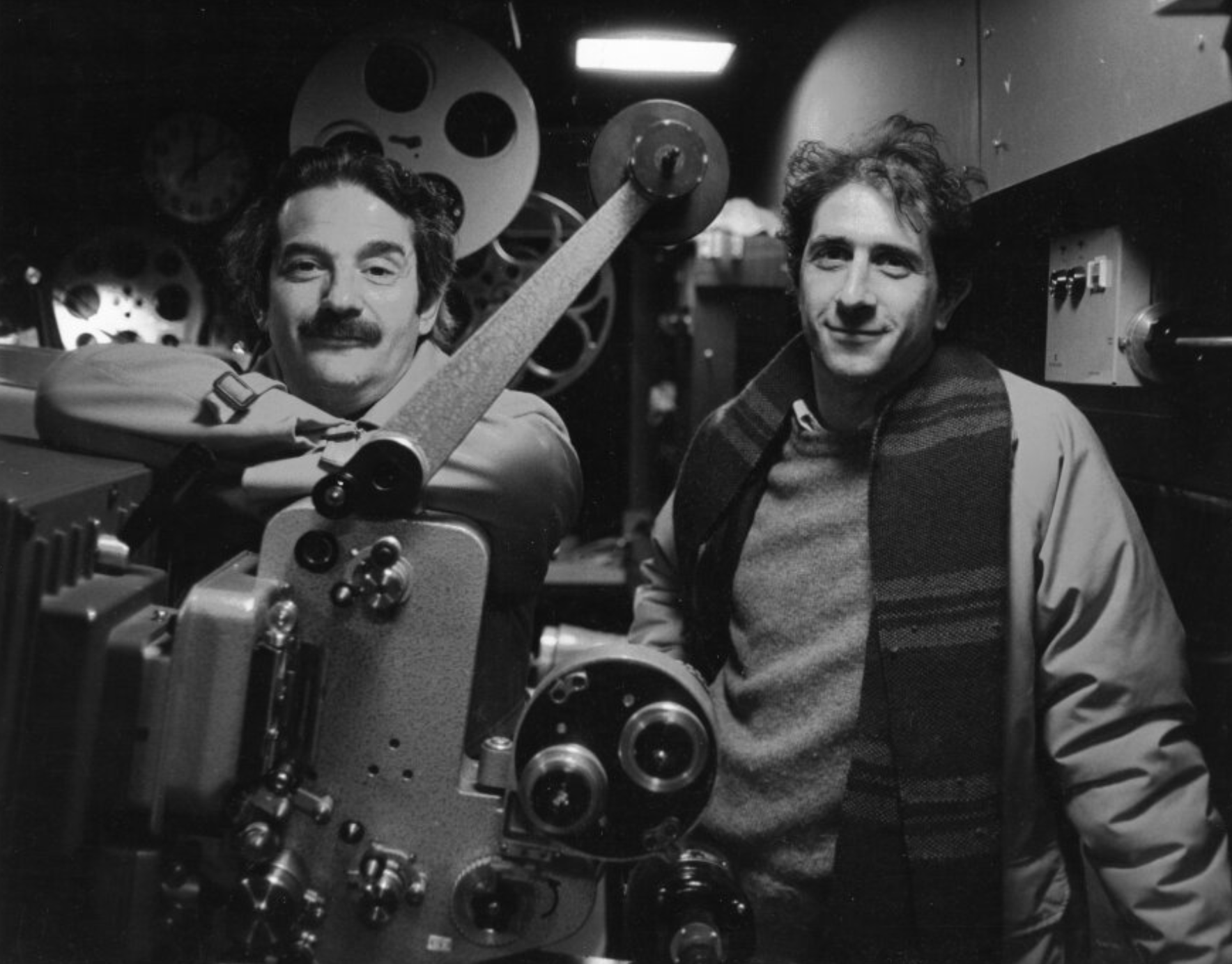
ONDINE (LEFT) AND ROGER JACOBY (RIGHT).
In 1972, Jacoby moved with Ondine to Pittsburgh. They quickly met and befriended the founder of the Carnegie Museum’s film department, Sally Dixon, who introduced Jacoby to the Pittsburgh Filmmakers collective. Dixon became a great supporter of Jacoby’s film work and also gave him a gig playing piano for silent films at the Museum. This close-knit artistic community galvanized Jacoby’s filmmaking practice, and he soon began crafting short 16mm works (two of which — DREAM SPHINX OPERA and L’AMICO FRIED’S GLAMOROUS FRIENDS — featured Dixon and Ondine).
“Jacoby’s films… are objects of exquisite and subtle beauty, which bathe the eye as they probe the psyche. They are not always ‘easy’ films, but for anyone willing to look, the rewards are great.” —Bill Judson
Jacoby’s work was the epitome of DIY filmmaking. He hand-processed his films in his own bathtub, maintaining this practice even after receiving grant support to acquire more advanced filmmaking equipment. This methodology imbued his work with a uniquely homespun quality. Even as Jacoby’s output became increasingly political — both in response to the gay rights movement of the 1970s and the subsequent HIV/AIDS epidemic of the 1980s — his films never lost their visual lushness or poeticism. If anything, Jacoby’s work exemplified the adage that “the personal is political”: fusing intimate portraits of himself and members of his community with intellectual sophistication, activist urgency, and an indelible filmic sensuality.
“Jacoby’s relationships with other artists… [were] also shaped by shared creative struggles and the influence of the political climate, [as well as] his relationship in the late 1970s with the activist and filmmaker Jim Hubbard, particularly around issues of LGBTQ+ rights and the HIV/AIDS epidemic. His films were not only creative statements but also acts of defiance and documentation, positioning him as both an artistic peer and a voice for the gay and activist communities in the avant-garde film world.” —Anastasia James, Director of Galleries & Public Art, Pittsburgh Cultural Trust
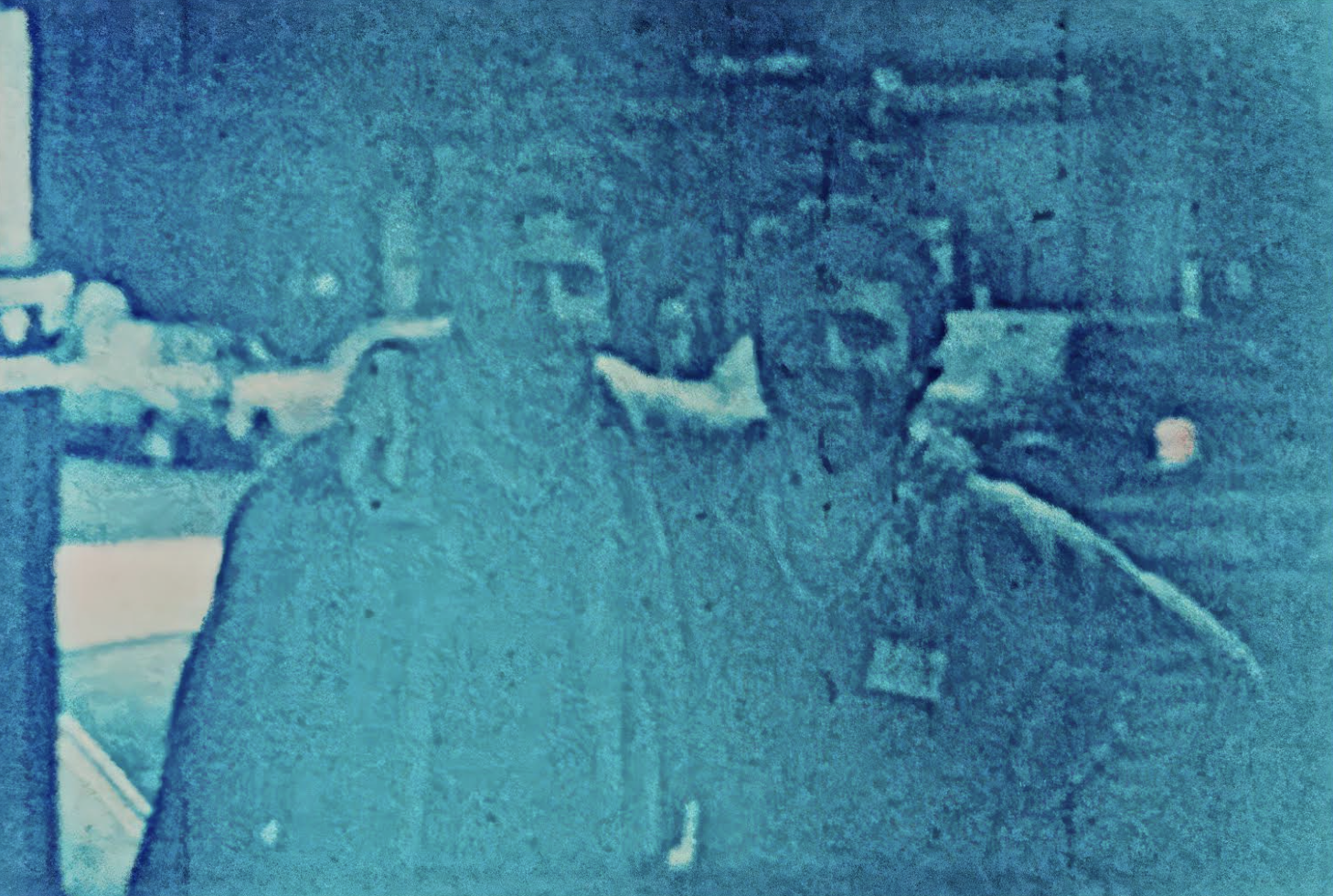
ROGER JACOBY AND JIM HUBBARD IN HUBBARD’S FILm TWO MARCHES (1989).
“Roger Jacoby’s films are a revelation, a vision of a world of intense and uncontrollable emotions, a place where weirdness and fabulousness reign, but tragedy and death are always lurking.” —Jim Hubbard
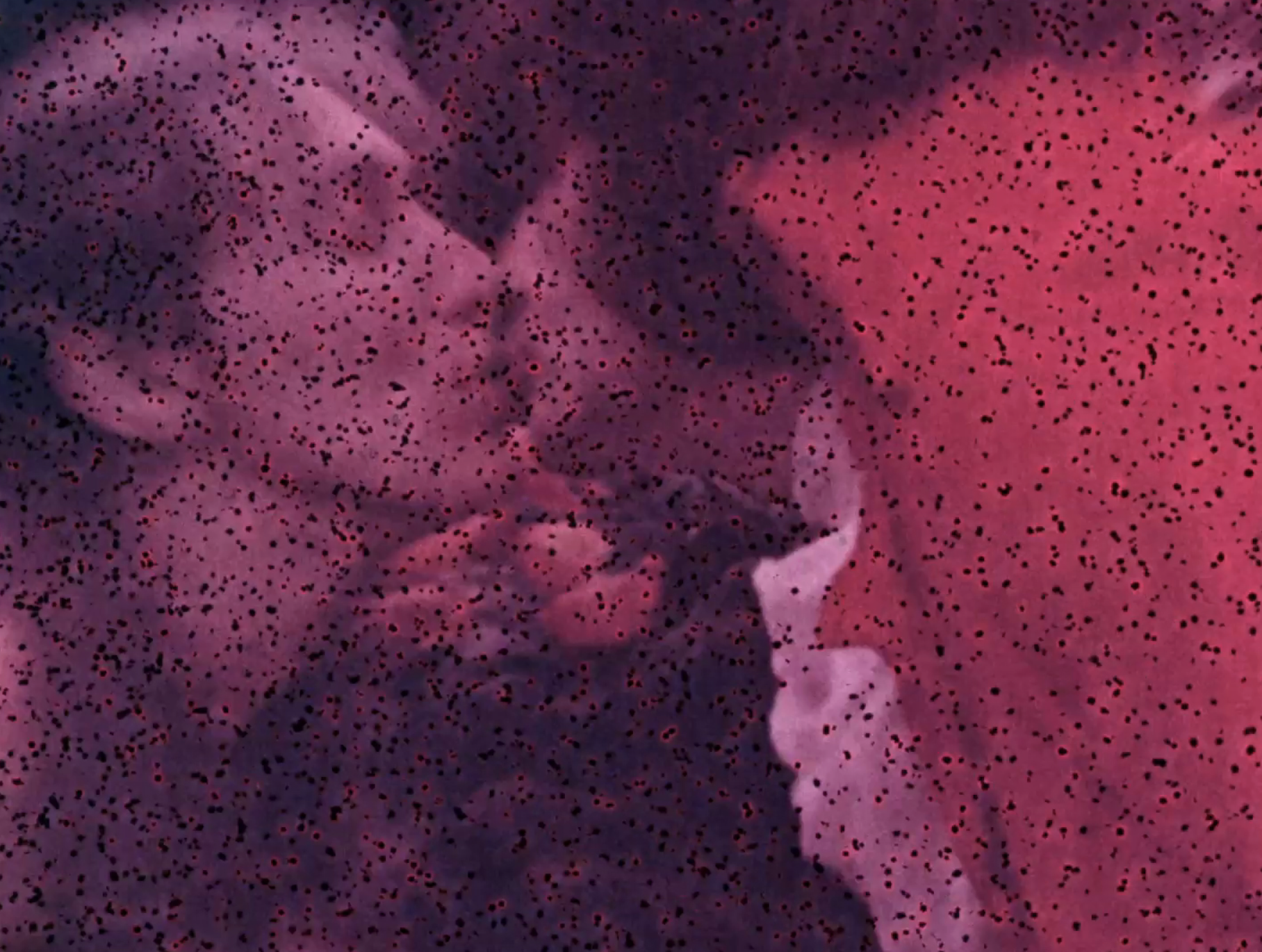
DREAM SPHINX OPERA (1974)
Ondine and Sally Dixon “star” as ecstatic 19th century lovers in Roger Jacoby’s first home-processed film. Nickelodeon imagery, school children of Pittsburgh and the Pittsburgh Botanical Conservatory are seen throughout.
“As the strains of an aria rise, the grainy specks of Jacoby's self-processed film begin to darken and swim like fruit flies, lighting on the flowers in the garden, sticking to the lips of the lovers as they kiss.” —Victoria Dalkey
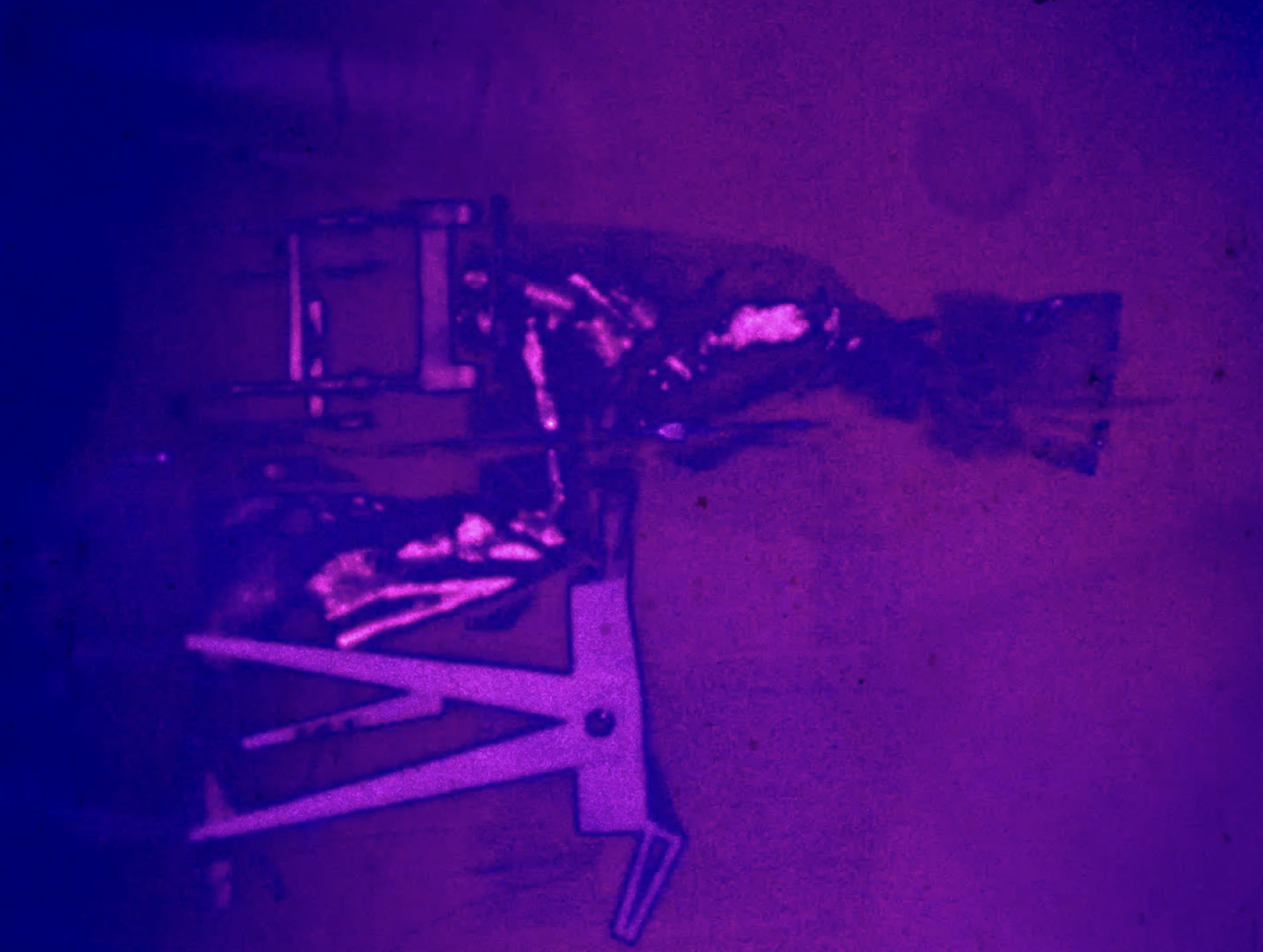
L’AMICO FRIED’S GLAMOROUS FRIENDS
(1976)
"In L'AMICO FRIED'S GLAMOROUS FRIENDS, which is built around a ‘pas de deux’ by Ondine and Sally Dixon... the relationship to traditional dramatic narrative is rather obvious; the actors are in well-defined roles and are recognizable in them, and the films are as such accessible… I think that the films of Jacoby are among the strongest in a post-structuralist trend toward the revitalization of the dramatic narrative, as his formal approach involves the subjective camera eye as well as the photochemical augmentation of the photographed image.” —Carmen Vigil, Museum of Modern Art program notes, Field of Vision
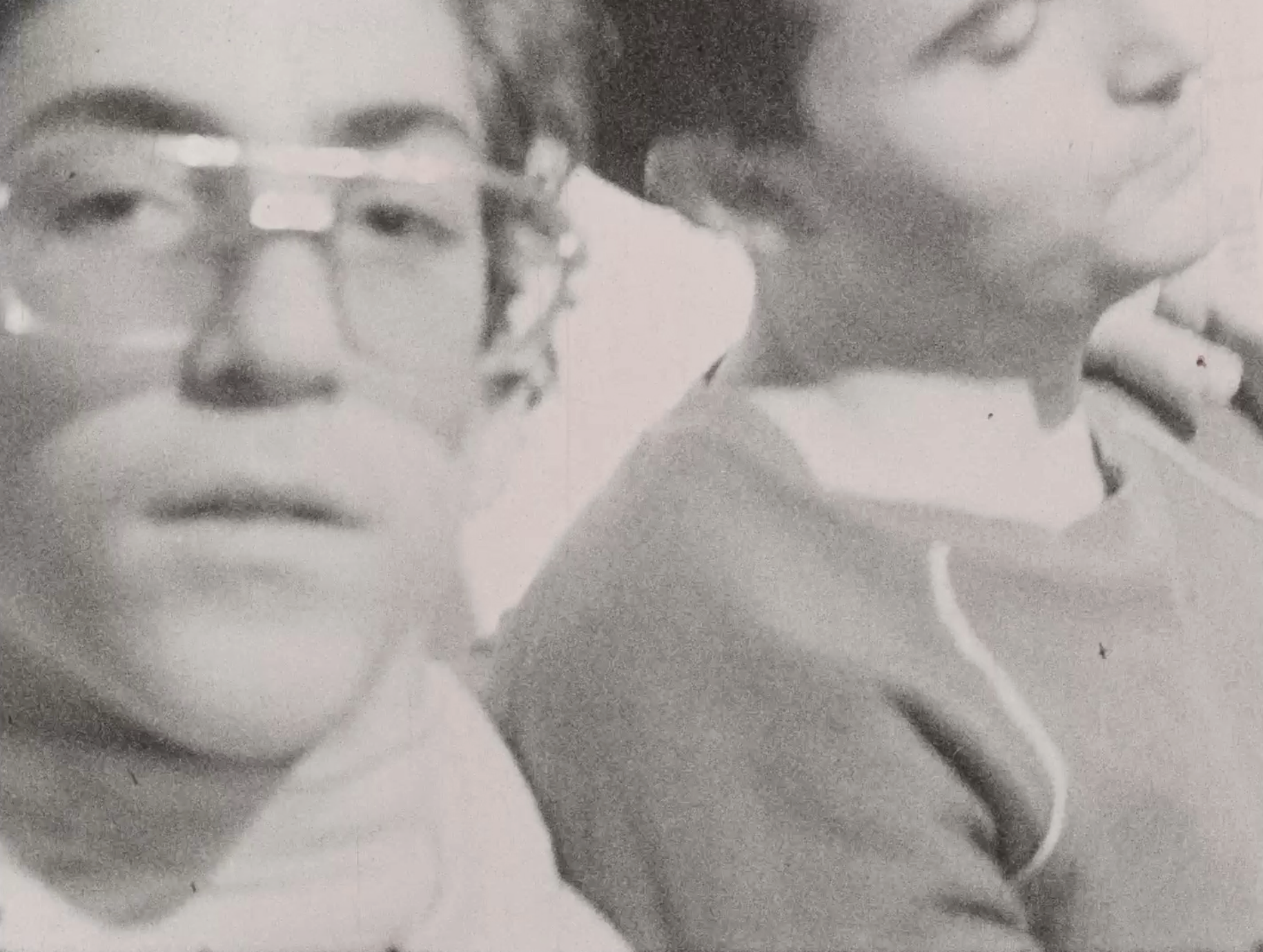
HOW TO BE A HOMOSEXUAL PART I
(1980)
”HOW TO BE A HOMOSEXUAL began, said Jacoby, as ‘excerpts from a compilation journal work begun in 1979. It is an ironic title — there's nothing sexually explicit about the film.’ But the film is richly sensual... In every scene, the emulsion captures the images, enhances, then betrays, overpowers and destroys them, as the patterns and color reshape the filmed reality into a different landscape.” —Kathleen Tyner, Cinematograph
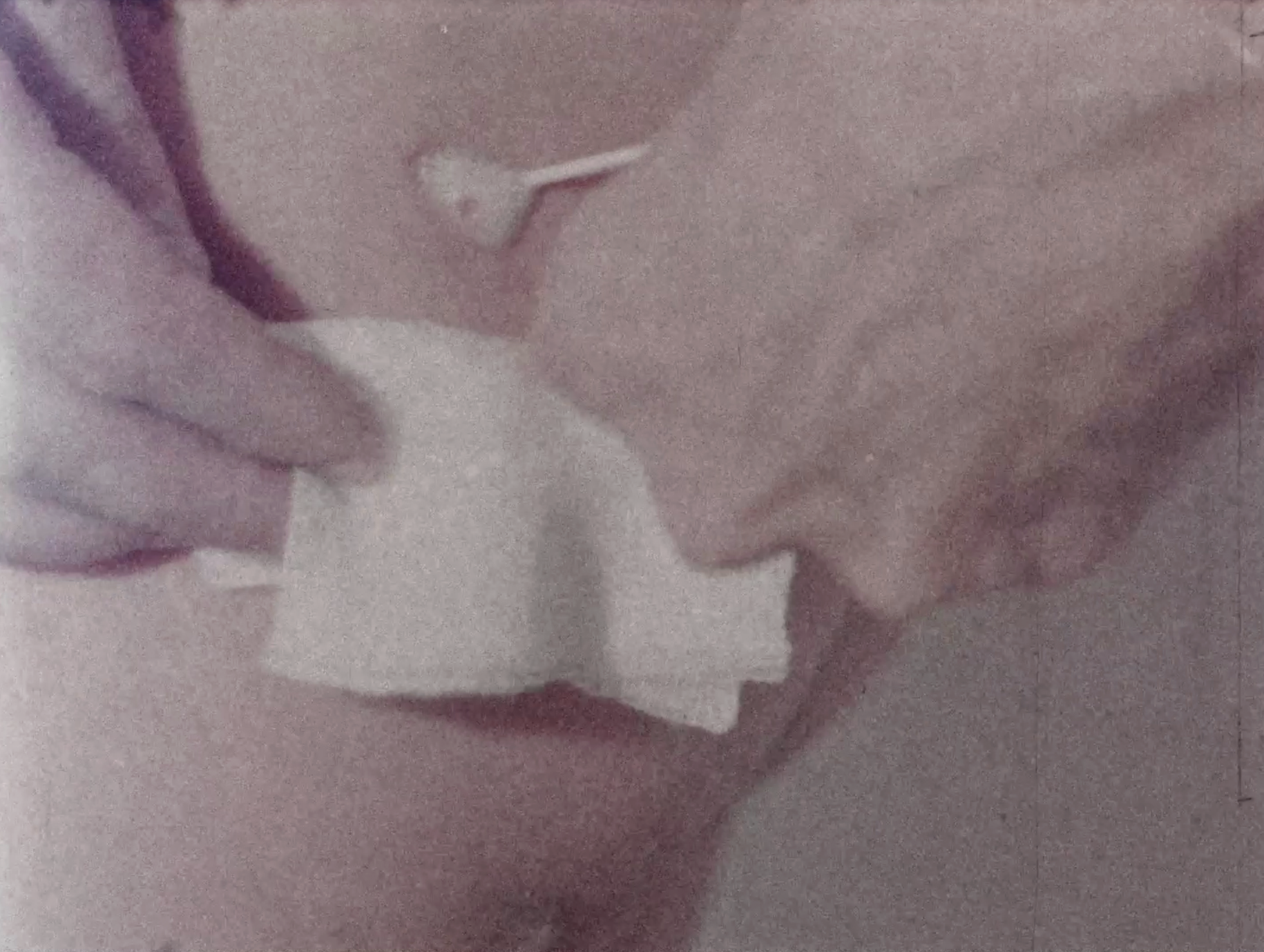
HOW TO BE A HOMOSEXUAL PART II
(1982)
Like its predecessor, HOW TO BE A HOMOSEXUAL PART II sees Roger Jacoby fuse his distinctive visual style with a newfound political consciousness. This film in particular — made shortly following Jacoby’s HIV diagnosis — exemplifies the adage “the personal is political.” It is undoubtedly his most intimate and moving work.