


HOW TO BE A HOMOSEXUAL PART I (US, 1980, Roger Jacoby)
/
Made with grants from the National Endowment for the Arts, the Bush Foundation, and the Jerome Foundation, HOW TO BE A HOMOSEXUAL PART I (1980) finds Roger Jacoby imbuing the visual dazzle that had become his trademark as a filmmaker with a newfound political consciousness.
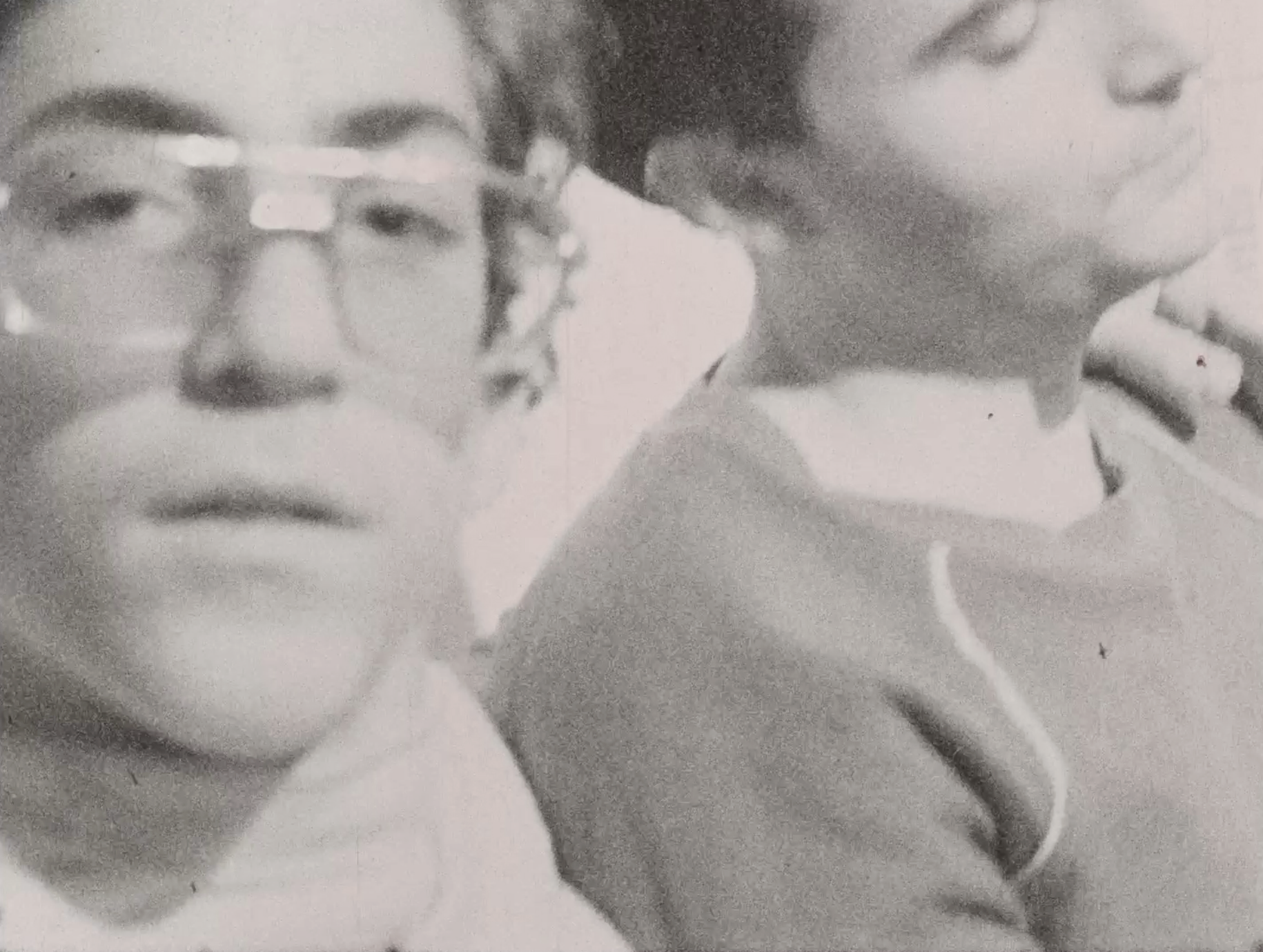
Interwoven with a number of musical performances, the bulk of the film consists of monochromatic footage of Jacoby’s friends, gathered with his partner — fellow filmmaker Jim Hubbard — discussing issues faced by queer people in contemporary American society at the height of the gay rights movement and shortly before the onset of the HIV/AIDS epidemic. Jacoby and Hubbard’s friends discuss their experiences of coming out, self-acceptance versus self-hatred, political differences within gay activist groups, and the prevalence of intra-community conflict and harm. As one friend notes: “We spend a lot of time lashing out at other gay people, instead of lashing out against our own enemies.”
STILL: HOW TO BE A HOMOSEXUAL PART I (1980).
Jacoby shoots these conversations in an intimate, cinéma vérité style. Dialogue drifts in and out of audibility as often as his lens drifts in and out of focus. These choices are not indicative of technical ineptitude; these appear to be conscious decisions, wherein Jacoby lends the film an improvisational poeticism and ruminative softness that reaffirms his closeness to, and comfort around, his subjects.
At times, his camera is a whirling dervish, cascading over friends’ faces, hands, and limbs before scaling the length of a silver microphone or whipping around to capture other objects in the space. His gaze is roaming, lively, and spontaneous, yet always immersive and always in the center of the action. In short, the camera is somatic — an unfettered extension of Jacoby’s body, reacting in real time to real people through his movements and reflexes.
STILL: HOW TO BE A HOMOSEXUAL PART I (1980).
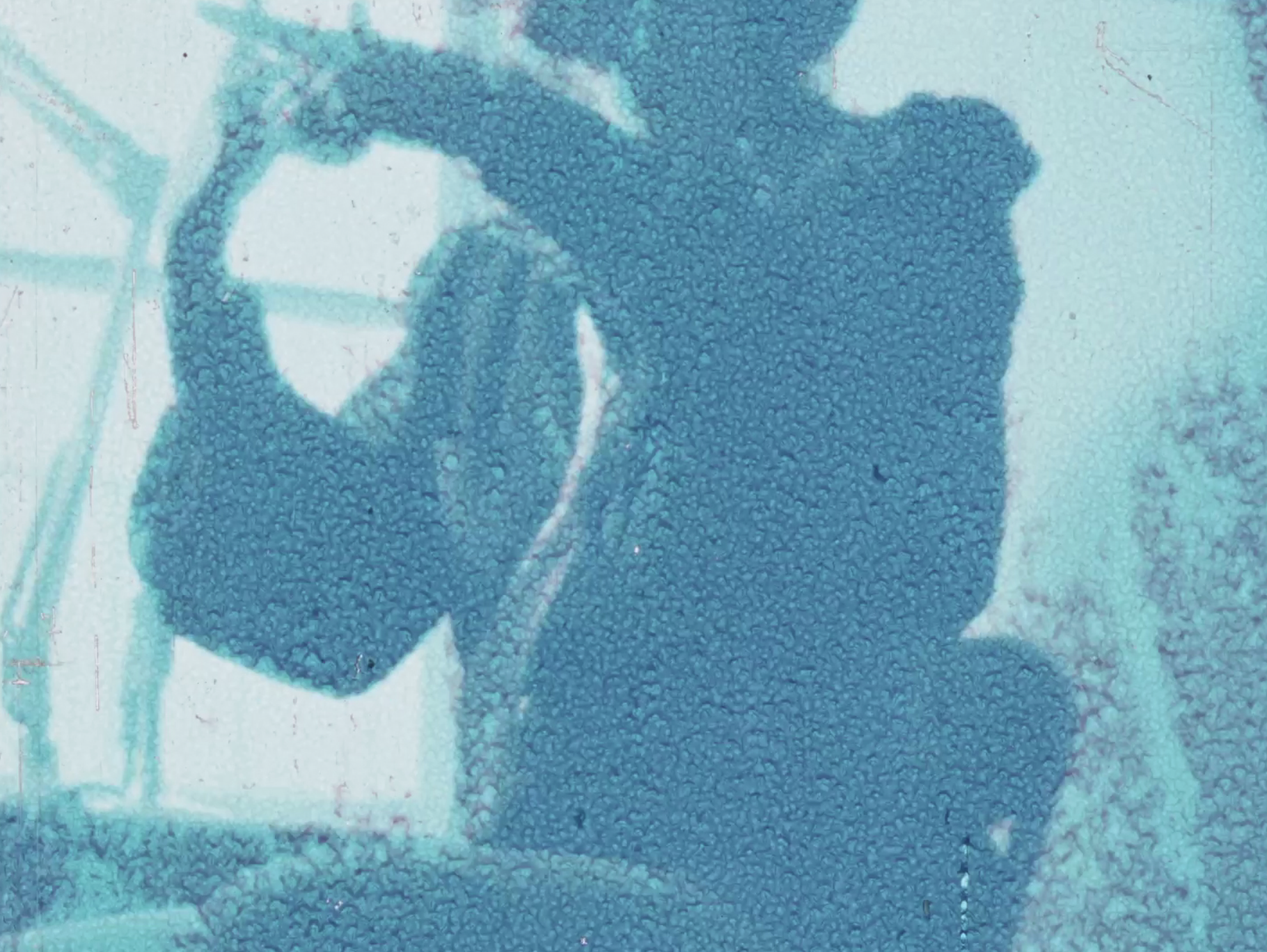
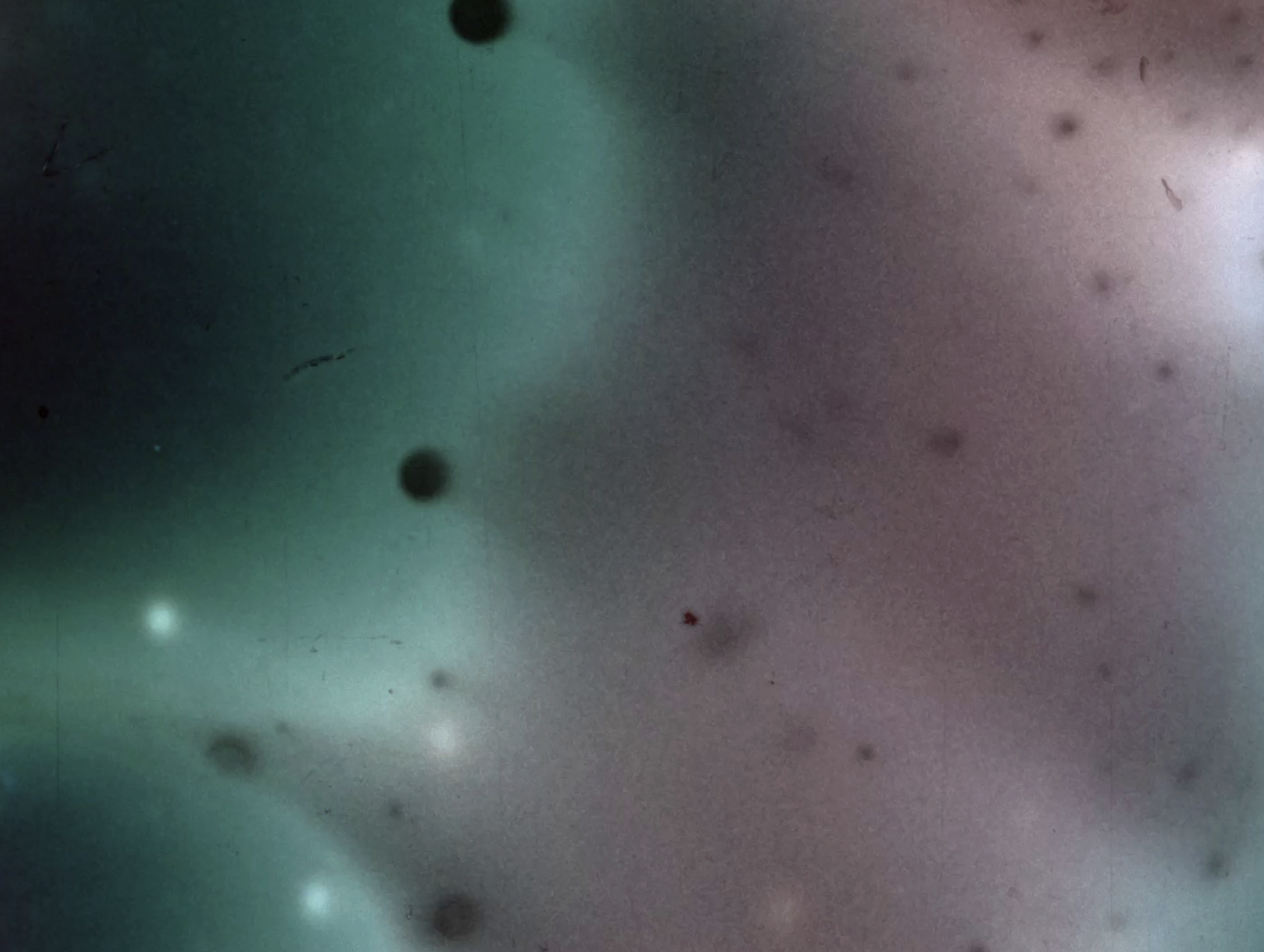
While HOW TO BE A HOMOSEXUAL PART I can be classified as non-fiction compared to Jacoby’s earlier “performed” works, its realism does not sacrifice its visual style. As noted by V. Holbert, writing for the Minnesota Daily: ”The images could be informal documentary material; they are transformed because Jacoby has processed the footage himself. So instead of distinct images and picture-postcard, factory-processed color, the images are seen through a living, changing veil of color and light. Since Jacoby manipulates the dyeing process, one color and then another suffuses the whole screen with flare-ups and blotches. The organic color transmutations intrude on the film illusion and constantly remind the viewer of the nature of the medium.”
Writing for Cinematograph, Kathleen Tyner echoed, “The film is richly sensual... In every scene, the emulsion captures the images, enhances, then betrays, overpowers and destroys them, as the patterns and color reshape the filmed reality into a different landscape.”
HOW TO BE A HOMOSEXUAL PART I
(US, 1980)
Director: Roger Jacoby
- 35 minutes
- Digital
- Color
- Sound
Distribution Format/s: DSL/Downloadable 1080p .mp4 file on server
Published By: GME
Classroom Price: $250
Institutional Price: Inquire
To order call: 212.280.8654 or click here for information on ordering by fax, e-mail or post.