Experimental Film: From 16mm to 2K

Experimental Film: From 16mm to 2K

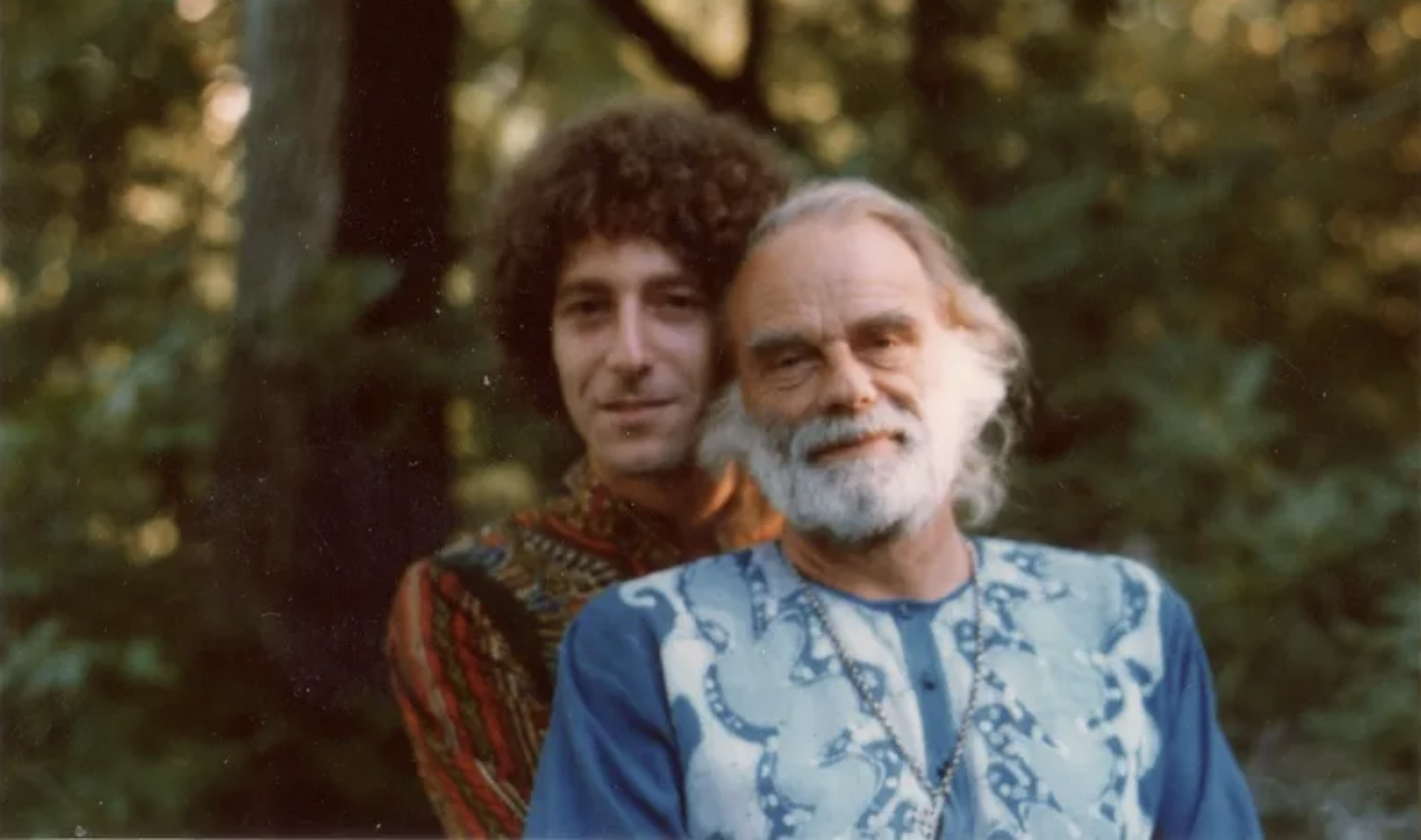
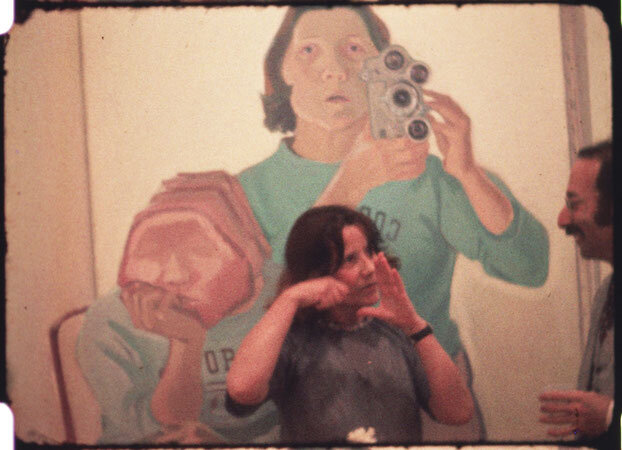
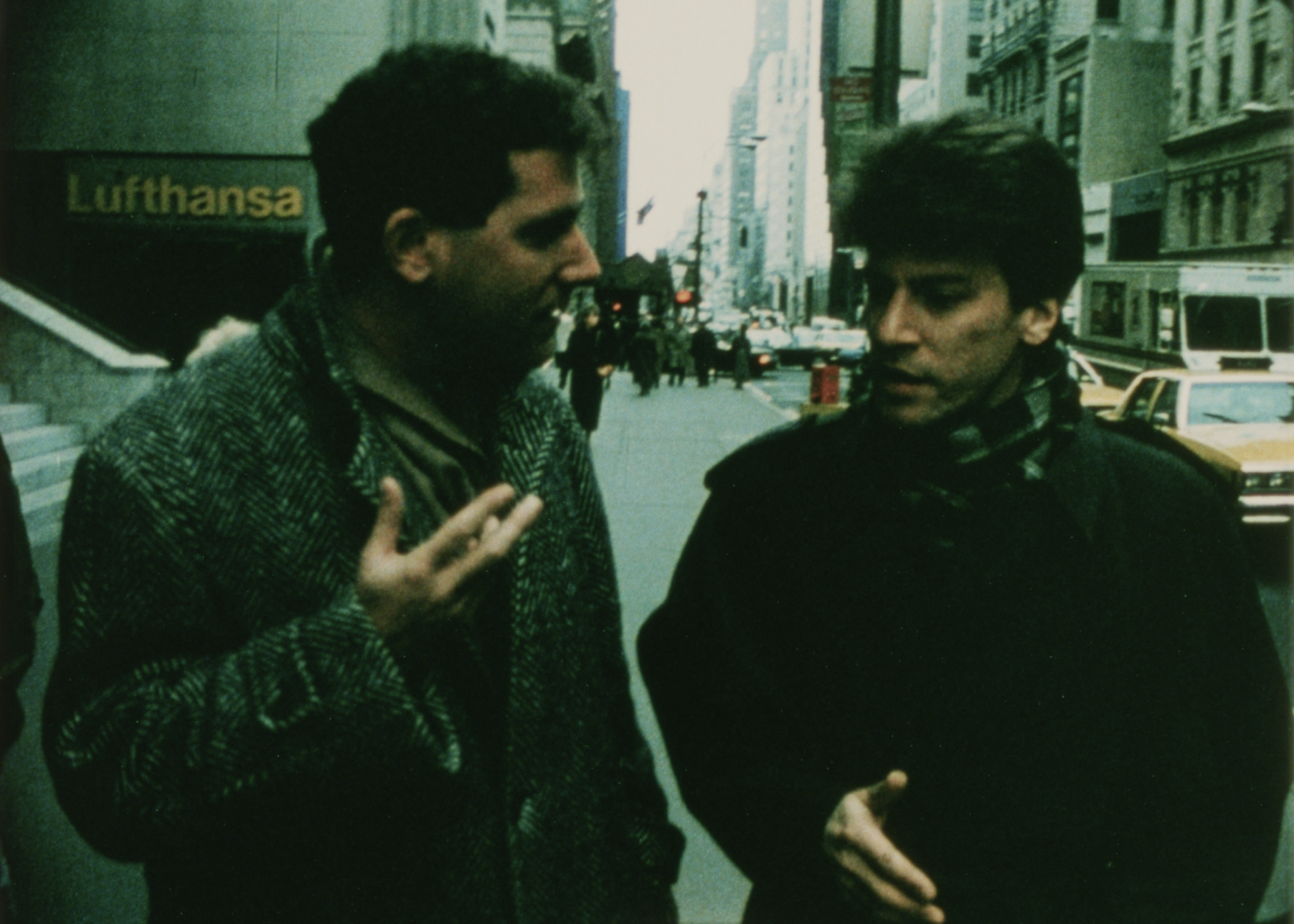
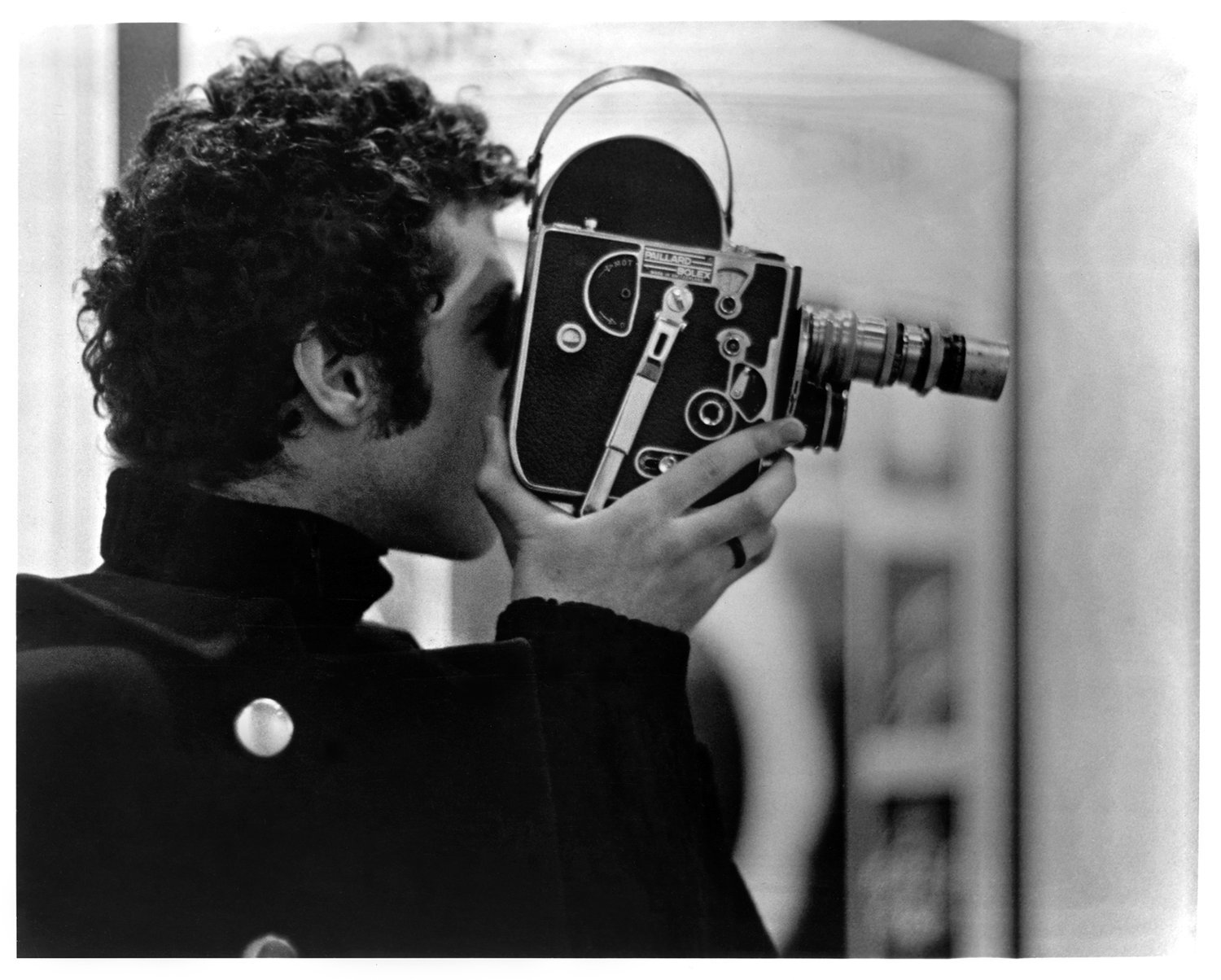
This fall, GME is pleased to welcome into our DSL distribution library new 2K digital restorations of Warren Sonbert's polyvalent montage films, as well as new digital transfers of select films by James Broughton and Joel Singer.

Sonbert's films will be available for rental or purchase to academic and cultural institutions worldwide, both individually and across three curated packages: Sonbert in the Seventies, Sonbert in the Eighties, and Warren Sonbert: Music & Montage. Broughton and Singer's films will also be available individually and across three curated packages on an institutional, worldwide basis: Early Films by James Broughton, James Broughton: The Second Act, and Broughton & Singer.

Read More

Commemorating the 25th Anniversary of 9/11 with Steve Bilich's NATIVE NEW YORKER

Ahead of the 25th anniversary of the September 11th attacks, GME is proud to present Steve Bilich's Native New Yorker for rental or acquisition to academic and cultural institutions worldwide as a Digital Site License.

Over two decades since 9/11, Bilich's film remains a powerful cinematic work, political statement, and educational tool. Shot on a Cine-Kodak camera, it is likely the only 16mm film documentation of the event, which was otherwise captured on video — the dominant format of the time.

To rent or purchase this title for academic or cultural use, please contact:
sales@gartenbergmedia.com.


Shot before, during and after 9/11,  Steve Bilich's experimental short documentary Native New Yorker took several years of filming with a 1924 hand-cranked Cine-Kodak camera. It follows Shaman Trail Scout 'Coyote' as he takes a journey that transcends time, from Inwood Park (where the island was traded for beads and booze), down a native trail (now “Broadway”), and into lower Manhattan (a sacred burial ground, now including the newest natives of this island empire). 25 years since the 9/11 attacks,  Bilich's film remains as powerful and relevant as ever.

As noted in a 2019 study by Barnard College titled A Tour of Native New York: “Broadway was originally a footpath in Manhattan, created by Native travelers. This trail, which ran along the length of Manhattan Island, originally connected different villages to one another and eventually became the road traveled by colonists.”

Bilich’s film acknowledges this Indigenous history, and the relationship between Native Americans and colonists, via Coyote’s journey. As Coyote encounters the smoldering World Trade Center towers, Bilich challenges in apocalyptic fashion the conflict between who can be considered the “American native” as opposed to the “foreign intruder.”

Bilich's film won the top documentary prize at the 2006 Tribeca Film Festival. GME President Jon Gartenberg worked as a programmer at Tribeca from 2003 to 2014, and is responsible for including Bilich’s film in the festival's lineup. In an interview from the festival that year, Gartenberg spoke about his reasons for selecting Bilich’s film:

It's not formulaic or routine or glossy at all. This is not a film that was going to get anyone an agent or a Hollywood deal; it's a very personal film, and that's the first thing that impressed me about it… Native New Yorker also fit[s] into what I call the tradition of the city symphony films. These were silent films that showed the life of a city from morning to night. Steve's film is more structured geographically, from Upper Manhattan to Lower Manhattan, and so, to me, it's a city symphony functioning on a spatial level… On a social and political level, the film equalizes, in a sense, the death and destruction caused by the terrorist attackers on 9/11 [to] the historic displacement and death[s] of Native Americans by occupying Europeans centuries earlier.

Bilich's film features a memorable soundtrack by composer William Susman, who later included his score for the film on his album Music for Moving Pictures. Of his score for Native New Yorker, Susman remarked:

The layering of rhythms and the incessant pulsing of the music reflects the energy and the many facets of the city as well as the motion and pace of the images created by Steve Bilich. In addition, the "flicker" caused by the use of the silent film-era camera suggested the tempo and pulse of the music... The music that I composed... approaches the film with my sound and rhythm tendencies which blurs the sense of time. We hear the haunting sounds of Native American chanting, as well as Middle Eastern vocalizing, representing characters, actions, and events both on and off screen. The breathy sounds of the native flutes are emblematic of the life force present and shared by all cultures.


To purchase or rent a digital file of Native New Yorker for institutional use, please contact sales@gartenbergmedia.com.

June 2026 Roundup

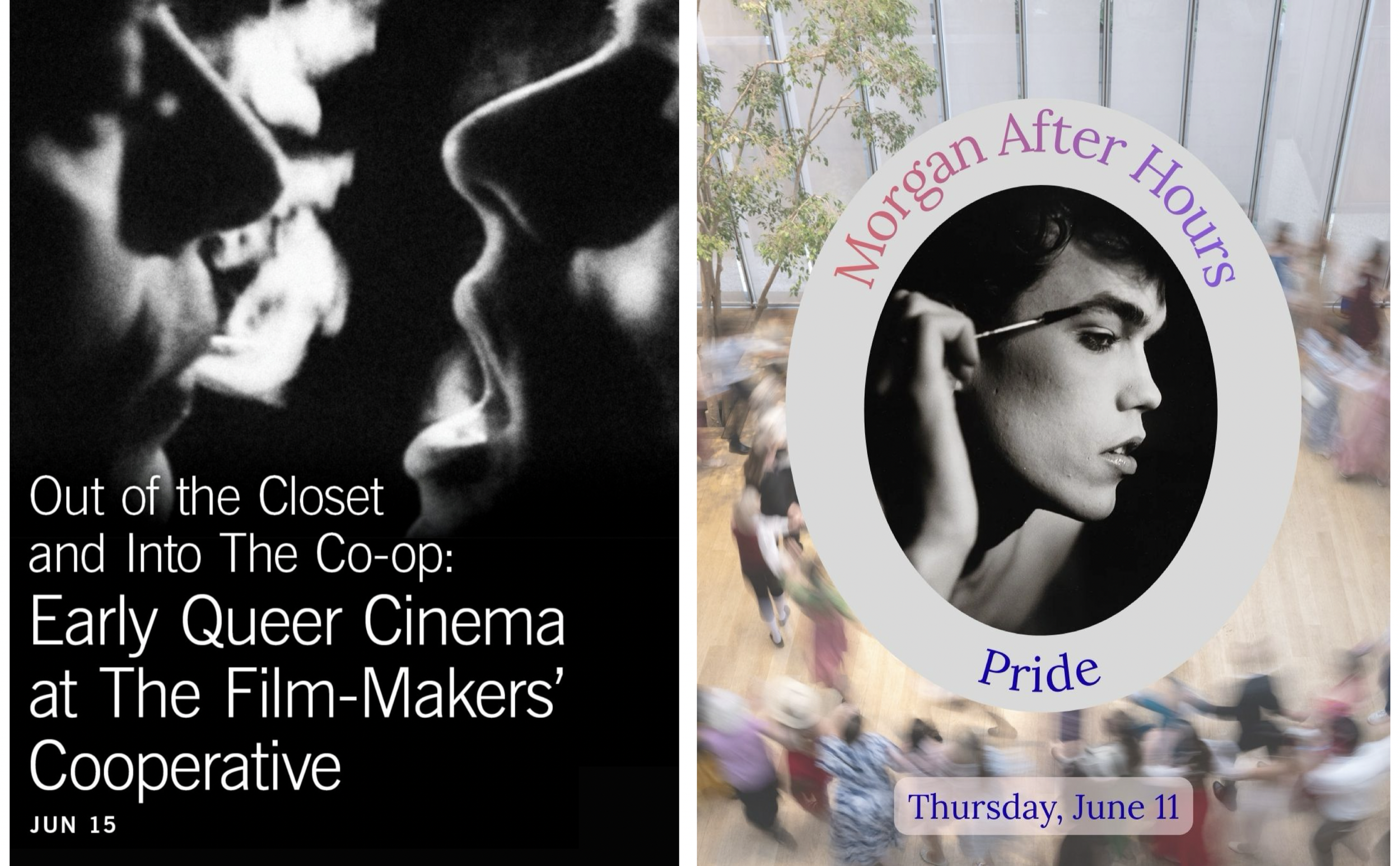
Today we recap screenings, events, and celebrations from June related to GME titles, artists, and colleagues. Notably, Warren Sonbert's debut film AMPHETAMINE and its follow-up WHERE DID OUR LOVE GO? screened at the Brooklyn Academy of Music and Morgan Library, respectively; both films were later featured in the Adrienne Mancia Streaming Room on what would have been Sonbert's 79th birthday. Additionally, films by Jonas Mekas and Stan Brakhage screened at Anthology Film Archives throughout the month.

Read More

May 2026 Roundup

May 2026 Roundup

Today we recap screenings, events, and celebrations from May related to GME titles, artists, and colleagues. Notably, 1930s Hollywood classics by Ernst Lubitsch screened throughout the month at Film Forum, while early silent gems by Urban Gad and Carl Th. Dreyer were programmed for the San Francisco Silent Film Festival and accompanied by live musicians. Moreover, GME presented Luigi Zampa's 1947 comedy L’ONOREVOLE ANGELINA, starring Academy Award-winner Anna Magnani, in the Adrienne Mancia Streaming Room.

Read More

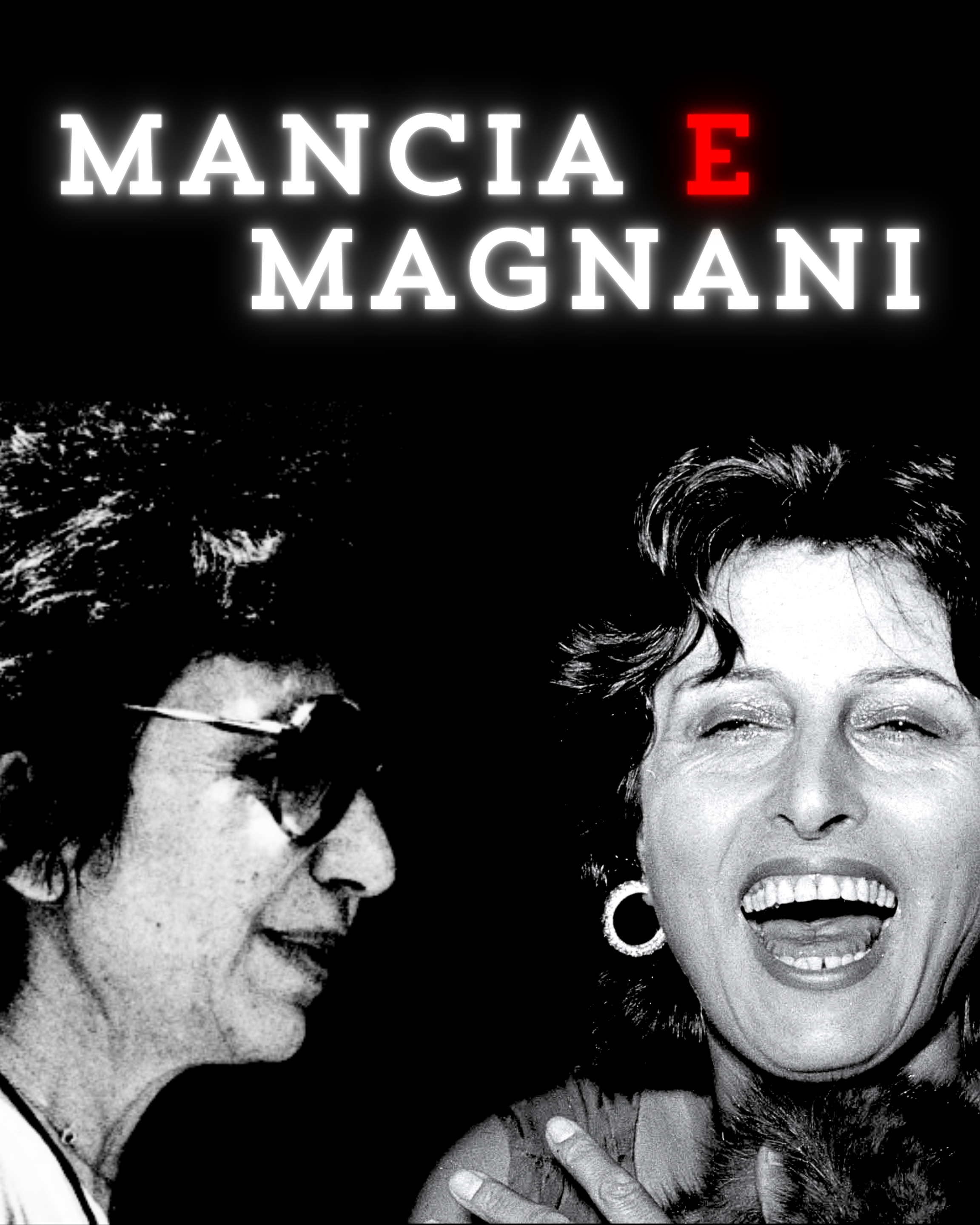
Now Playing in the Adrienne Mancia Streaming Room: MANCIA E MAGNANI

Now Playing in the Adrienne Mancia Streaming Room: MANCIA E MAGNANI

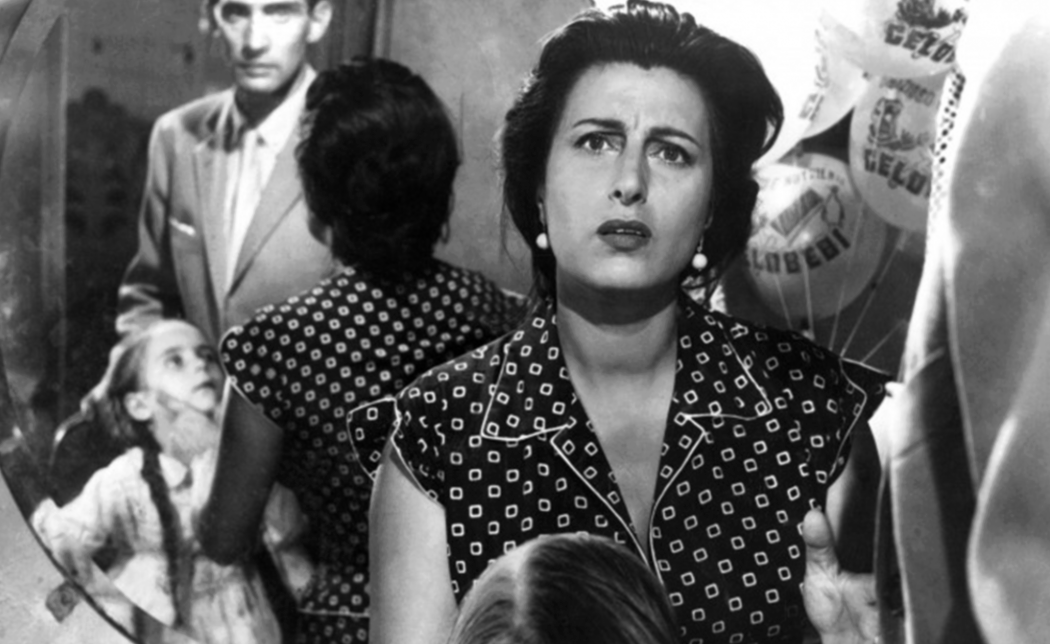
This May in the Adrienne Mancia Streaming Room, GME is pleased to present Luigi Zampa’s 1947 Italian comedy L’ONOREVOLE ANGELINA (THE HONORABLE ANGELINA), starring Academy Award-winner Anna Magnani.

Adrienne Mancia was a fierce champion of Italian cinema. In 1988, she received Italy’s highest civilian honor, the Croce del la Repubblica. On the occasion of this award, Renato Pachetti, then-president of RAI Corporation (New York), remarked: “Adrienne Mancia has probably contributed more than any other person to the introduction of Italian cinema in America. Her knowledge of Italian films is extraordinary.” Gian Paolo Cresci, then-president of SACIS (Rome), the worldwide distribution wing of RAI, echoed Pachetti: “Adrienne Mancia’s generosity and energy have made her a special friend to the members of the Italian film community. No one is more deserving of this special honor.”

Read More

April 2026 Roundup

April 2026 Roundup

Today we recap screenings, events, and celebrations from April related to GME titles, artists, and colleagues. Notably, GME licensed a number of photographs by Hugh Bell, whose photographic legacy we represent. Films that GME distributes on DSL, DVD, and Blu-Ray to academic and cultural institutions screened at Anthology Film Archives as well as the 2026 Turner Classic Movies Film Festival. GME also announced our DSL distribution of Ernst Lubitsch’s THE LOVES OF PHARAOH and four, recently restored experimental films by Roger Jacoby.

Read More

Defiance and Documentation: Four Films by Roger Jacoby

Defiance and Documentation: Four Films by Roger Jacoby

Roger Jacoby (1944—1985) was a pioneering experimental filmmaker whose wildly improvisational, hand-processed works showcased a painterly and diaristic approach and, in his last films, a fervent political consciousness. His filmmaking career spanned from 1972 until his untimely death due to complications from AIDS in 1985, during which he completed eight films. Gartenberg Media is pleased to distribute four of these films — 1974’s DREAM SPHINX OPERA, 1976’s L’AMICO FRIED’S GLAMOROUS FRIENDS, 1980’s HOW TO BE A HOMOSEXUAL PART I, and Jacoby’s final film, 1982’s HOW TO BE A HOMOSEXUAL PART II — as Digital Site Licenses to academic and cultural institutions worldwide. These titles were recently restored by the Berkeley Art Museum and Pacific Film Archive through the National Film Preservation Foundation’s Avant-Garde Masters Grant.

Read More

March 2026 Roundup

March 2026 Roundup

Today we recap screenings, events, and celebrations from March related to GME titles, artists, and colleagues. A number of films by filmmakers that GME distributes screened at various venues in New York City and internationally, including The Museum of Modern Art, Metrograph, Light Industry, and the International Short Film Festival Oberhausen. GME also announced a number of new titles for DSL and/or DVD distribution, including Abigail Child’s prismatic triptych THE SUBURBAN TRILOGY and Paula Gaitán’s experimental documentary DAYS IN SINTRA.

Read More