


HOW TO BE A HOMOSEXUAL PART II (US, 1982, Roger Jacoby)
/
“In this last film, completed two years before his death, Jacoby becomes more introspective. The film imparts a poignant, bitter-sweet sensuality as he turns the camera on himself. Filled with difficult and graphic imagery, the film explores themes of narcissism, purging, and healing. The film is painfully personal, exploring metaphors of illness and isolation in his struggles as a homosexual.” —Canyon Cinema
Like its predecessor, HOW TO BE A HOMOSEXUAL PART II sees Roger Jacoby fuse his distinctive visual style with a newfound political consciousness. This film in particular — made shortly following Jacoby’s HIV diagnosis — exemplifies the adage “the personal is political.” It is undoubtedly his most intimate and moving work.
STILL: HOW TO BE A HOMOSEXUAL PART II (1982).
Jacoby’s hand-processing techniques suffused his previous films with colors and textures that stylized and augmented his subjects, lending them a sense of grandiosity and abstraction. Here, Jacoby’s hand-processing techniques reify his somatic experience and reaffirm the radical intimacy of the piece.
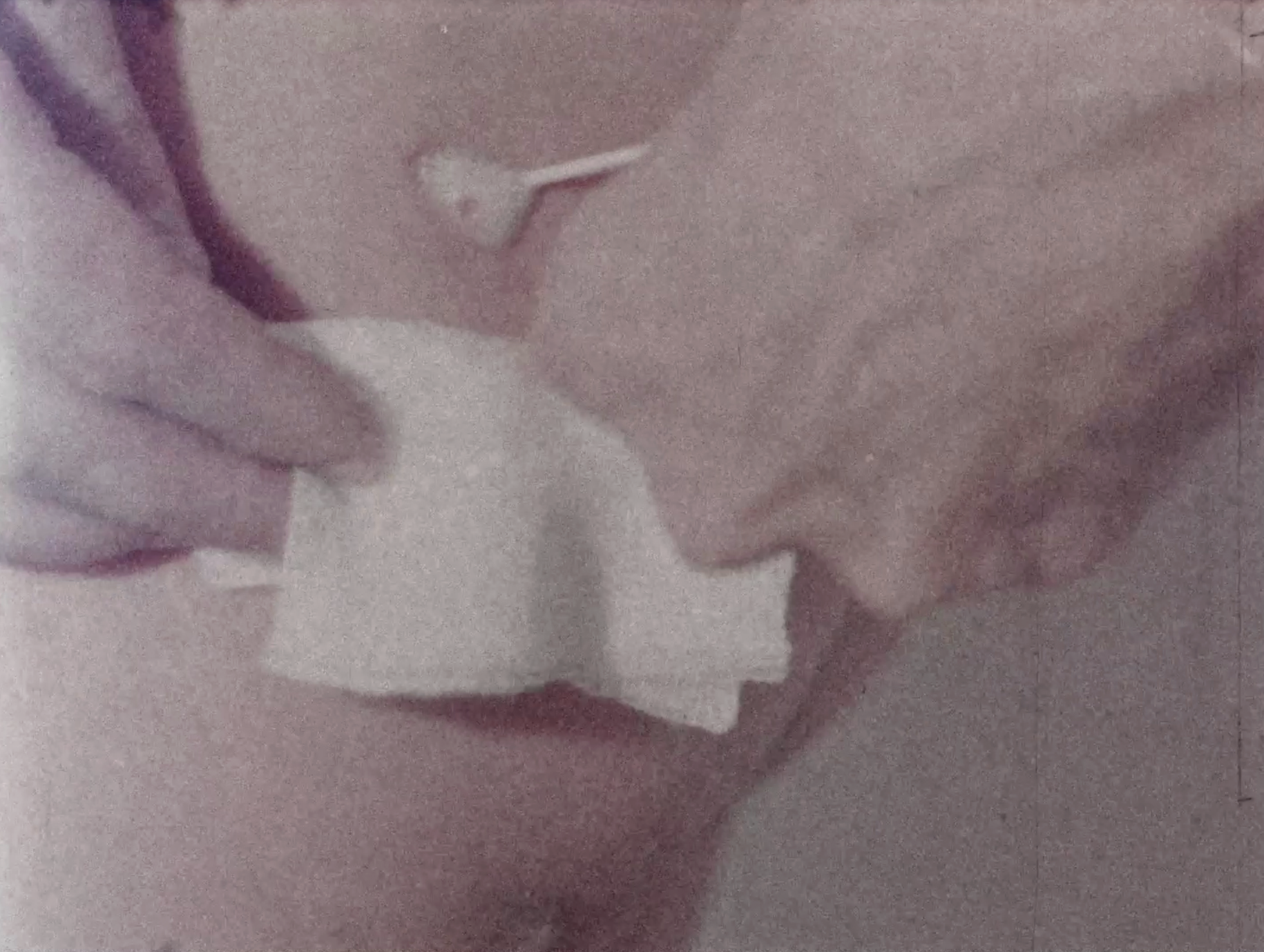
The grainy emulsion lends the film’s surface a raw, scorched quality, thereby emphasizing the fragility and degradation of the material in tandem with the fragility and degradation of Jacoby’s body. Collaborating with Jim Hubbard, Jacoby is filmed undressing, injecting himself, and inserting an enema, among other medicinal processes performed at home. Unlike DREAM SPHINX OPERA and HOW TO BE A HOMOSEXUAL PART I, the film lacks a soundtrack. The silence allows these images to speak for themselves.

STILL: HOW TO BE A HOMOSEXUAL PART II (1982).
Hubbard has spoken about the importance of silence in his own work, particularly 1989's ELEGY IN THE STREETS, which features footage of Jacoby from this period and is partly an homage to him. Of ELEGY, Hubbard writes: “It intertwines two main motifs: memories of Jacoby… and the development of a mass response to AIDS… [The silence] is a literalization of the phrase ‘Silence = Death’… I believe that film is a visual medium and sound is typically used to manipulate and limit the emotional response of the audience. I want each member of the audience to experience the film uniquely and personally. Silence forces the viewer to really look at what there is to see.”
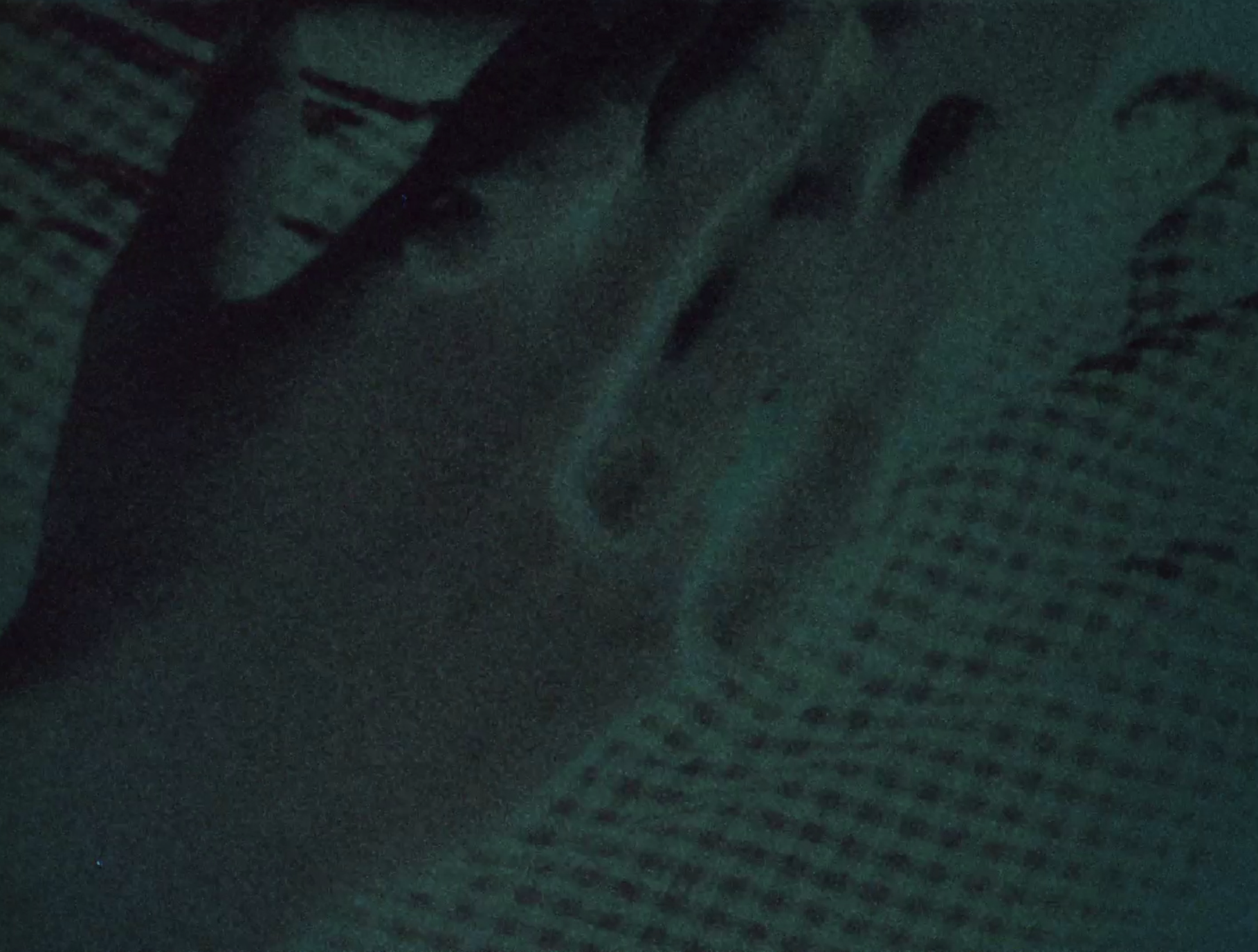
Hubbard’s choice to omit sound from ELEGY IN THE STREETS can be applied to Jacoby’s choice to omit sound from HOW TO BE A HOMOSEXUAL PART II. This aural absence is, in fact, a presence: an invitation for the viewer to immerse themselves in Jacoby’s domestic and embodied experience without obstruction or interference. The film is also metatextual in that it depicts the filmmaking process; specifically, dreamy, green-tinted footage of Hubbard and a 16mm film processor.
“These companion films [HOW TO BE A HOMOSEXUAL PART I and HOW TO BE A HOMOSEXUAL PART II] are Jacoby's mind and body dialectic, demonstrating that the mind takes wild flights of fancy in service of the human spirit, but that we are grounded by the body, which requires love, tending and care.” —Canyon Cinema
HOW TO BE A HOMOSEXUAL PART II
(US, 1982)
Director: Roger Jacoby
- 15 minutes
- Digital
- Color
- Sound
Distribution Format/s: DSL/Downloadable 1080p .mp4 file on server
Published By: GME
Classroom Price: $250
Institutional Price: Inquire
To order call: 212.280.8654 or click here for information on ordering by fax, e-mail or post.