


Warren Sonbert: Music & Montage
/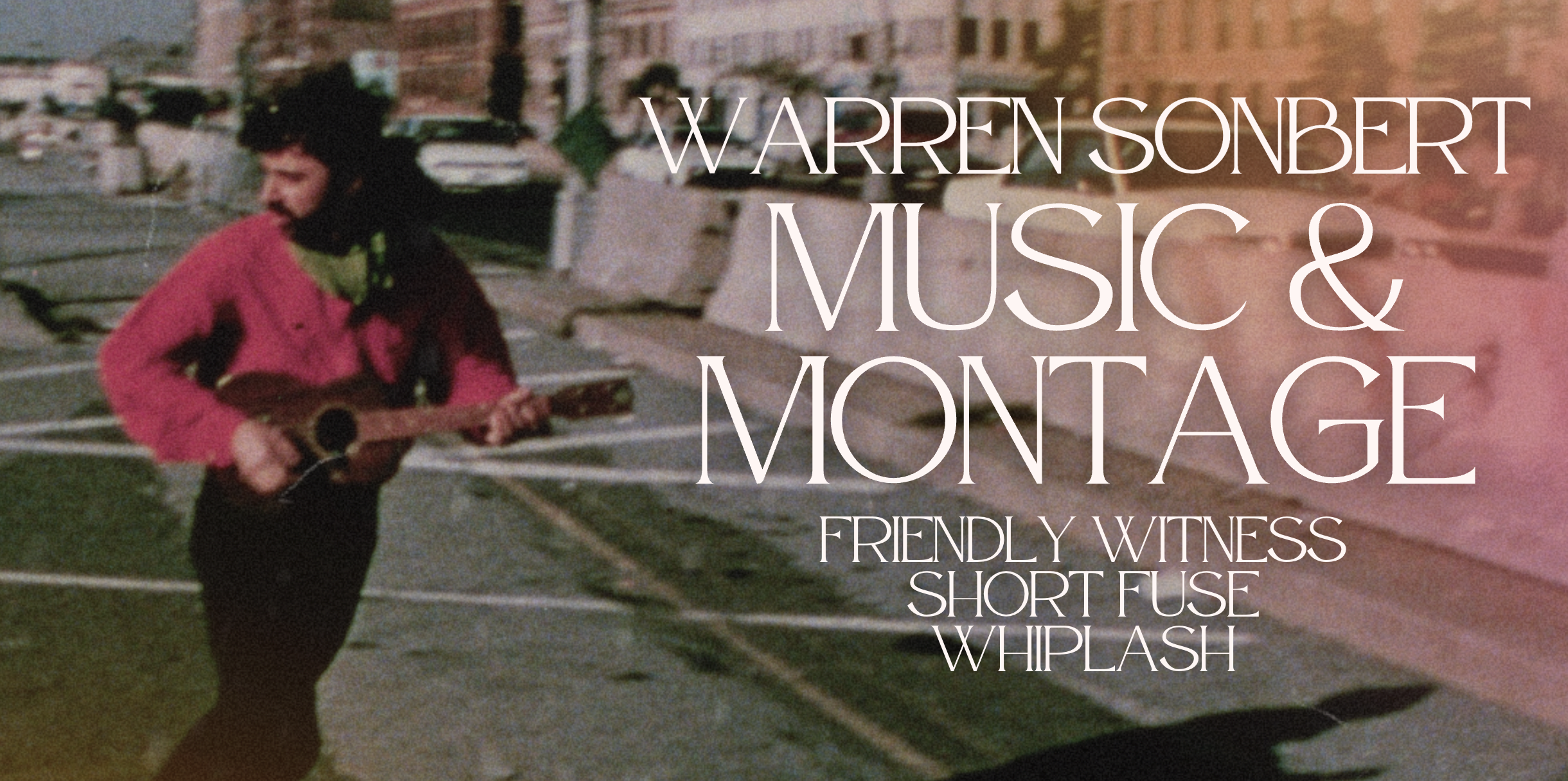
“In addition to his work as a filmmaker and film critic, Warren Sonbert was also a noted opera critic, and he frequently theorized about the relationship of film to other art forms — in particular, music. He analogized the notes, chords, and tone clusters of music to the progression of shots in film. The shot was the building block upon which Sonbert created the musical rhythms of his films.” —Jon Gartenberg
Beginning with 1989’s FRIENDLY WITNESS, which features “a swirling montage of images — suggestive of loves gained and love lost — to the tunes of four rock songs,” Warren Sonbert once again began using soundtracks in his films. This artistic choice thereby fused the musicality characteristic of the artist’s late-1960s New York shorts with the polyvalent montage style he had perfected throughout the 1970s and ‘80s in such silent works as CARRIAGE TRADE (1973), DIVIDED LOYALTIES (1978), and NOBLESSE OBLIGE (1981).
Sonbert’s return to music did not undercut his montage style nor the poetic and political dimensions of his filmmaking. The inclusion of Motown singles and other ‘60s pop hits in FRIENDLY WITNESS, for example, functions as a nostalgic recall of Sonbert’s youth. (These songs can be heard throughout his early films, and footage from some of these films are meticulously edited alongside newer footage in FRIENDLY WITNESS).
Meanwhile, the employment of Serguéi Prokófiev’s “Piano Concerto No. 1” in SHORT FUSE (1991), among other dynamic tracks, emphasizes the psychological intensity of the footage and aurally reifies Sonbert’s emotional state upon learning of his HIV diagnosis. As noted by curators at the Tate Modern: “SHORT FUSE is informed by [Sonbert’s] awareness of his own mortality… The opening of the film explodes with a sea of turbulent emotions [as] shifting musical passages collide against images of leisure, war, and protest.”
Sonbert passed away due to complications from AIDS before completing WHIPLASH (1995). As noted by Gartenberg: “[The film] is an elegiac meditation on [Sonbert’s] own mortality. Sonbert projected into the film evidence of the deterioration of his physical and motor skills. For instance, the roller skater [at the start of the film] stumbles, and the shots of the bullfight through curved arches of the arena parallel his own retina’s narrowing field of vision.”
Sonbert’s former student and longtime friend Jeff Scher assembled the final edit and soundtrack of WHIPLASH based on Sonbert’s specifications. This effort was overseen by Gartenberg and Sonbert’s partner Ascension Serrano. Scher has also acted as the Restoration Advisor on these new digitizations of Sonbert’s films, thereby denoting a full-circle moment for GME’s stewardship of Sonbert’s oeuvre and legacy.
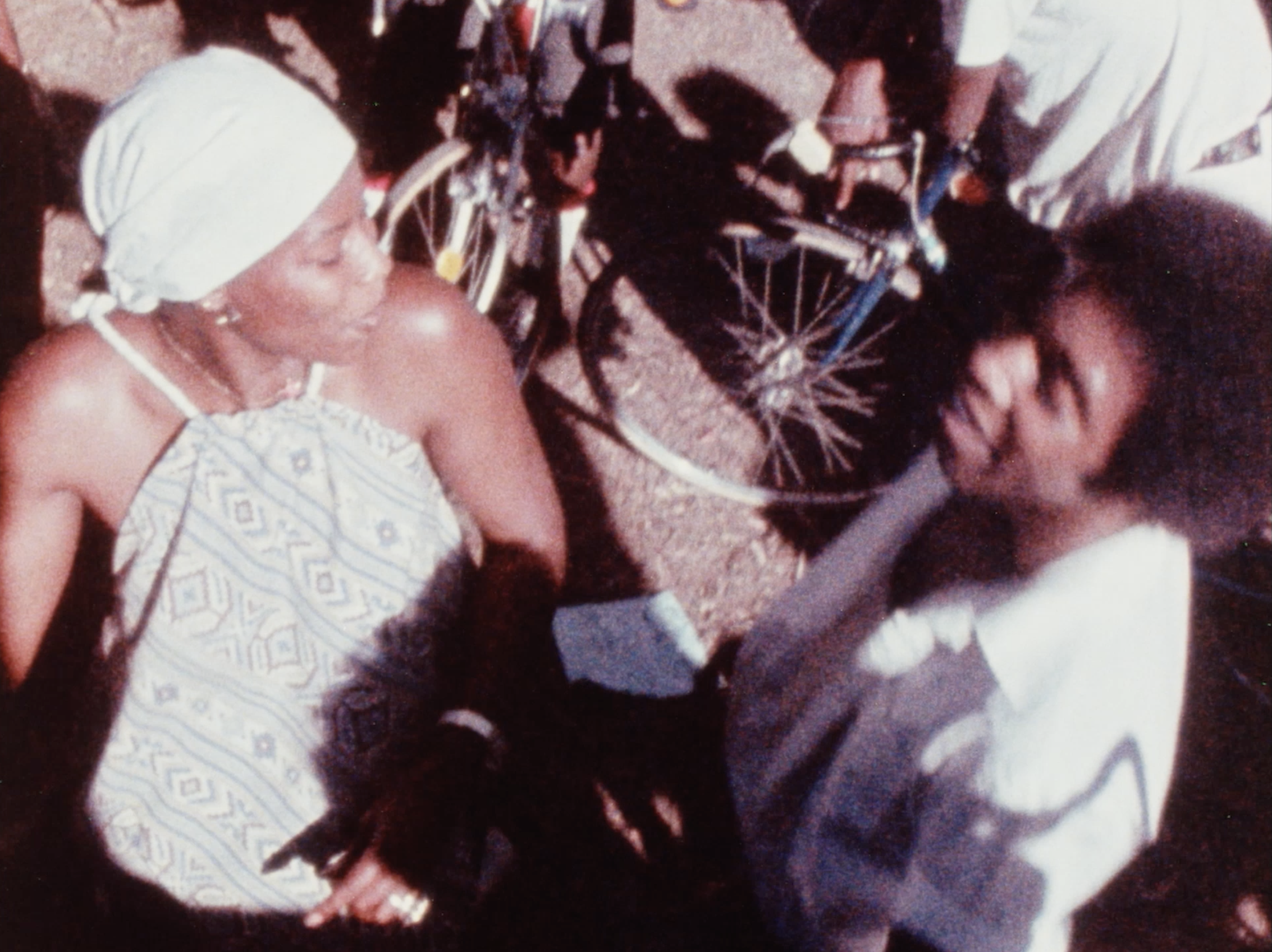
FRIENDLY WITNESS (1989)
“Warren Sonbert traveled extensively in his capacity as a professional music critic. FRIENDLY WITNESS marked his return, after 20 years of making films, to incorporating music tracks back into his work. In doing so, he selected specific recordings from his firsthand knowledge of a vast repertoire of classical, pop, and world music idioms… Sonbert accompanied the closing imagery with a music underscore from Gluck’s operatic overture to Iphigénie en Aulide. The filmmaker observed: ‘Spectacle, public domain, objective (God’s eye) point of view is the aesthetic approach with the constant idea that all this activity is perhaps occurring simultaneously.’ Here, as Sonbert weaves together an extraordinary palette of synchronous activity worldwide, he places himself firmly in the pantheon of the great montage theorists in film history.” —Tate Modern
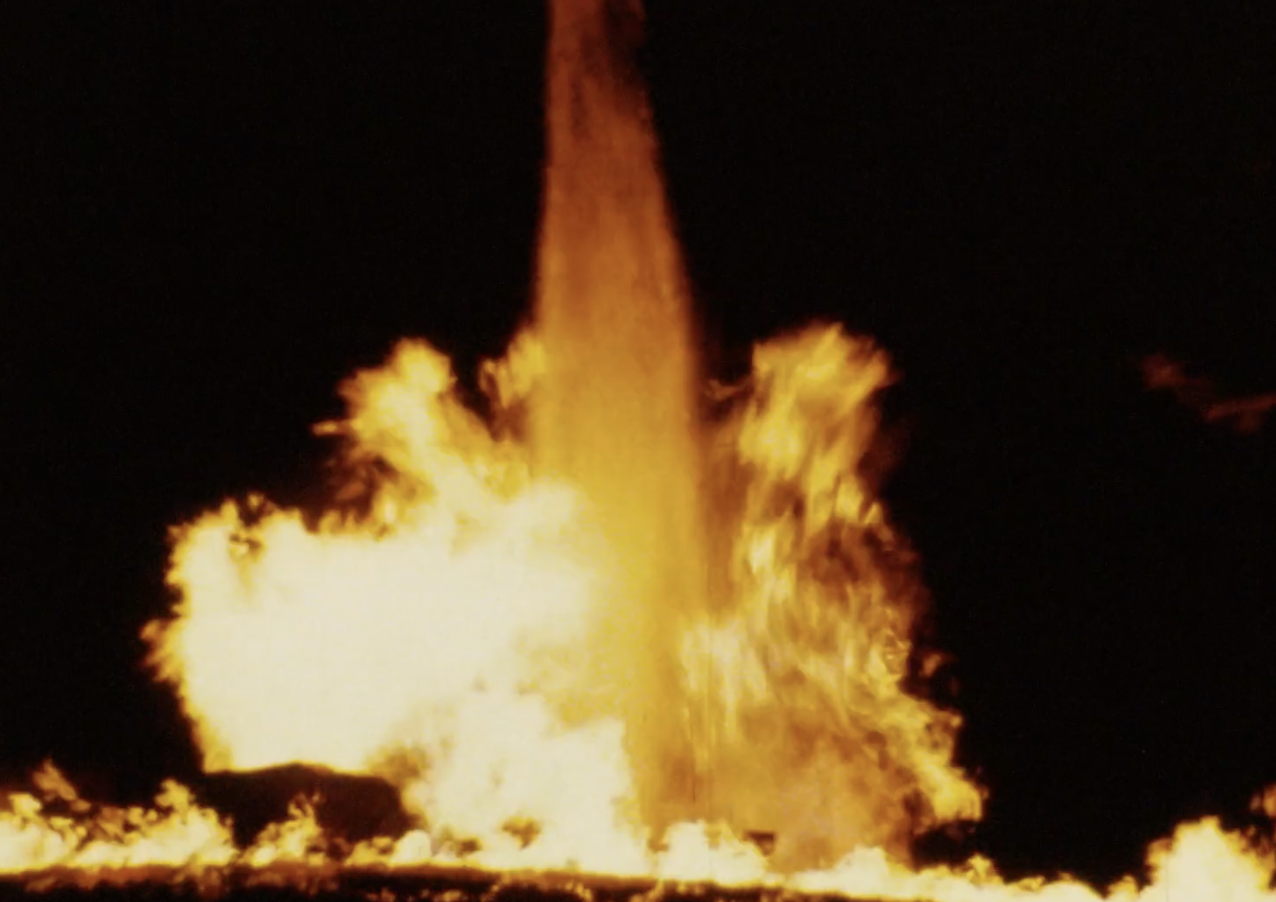
SHORT FUSE (1991)
“Sonbert published excerpts from his feature film screenplay adaptation of Strauss' CAPRICCIO, his favorite opera, in 1986. SHORT FUSE, completed six years later, can be seen as a return to Capriccio's themes, including ‘Nazism and eroticism, beauty and force, detail and structure’ (William Graves). Underscoring a question raised by CAPRICCIO — whether in opera the music or the libretto takes priority — SHORT FUSE is replete with a soundtrack that counterpoints the film's visuals, prompting the viewer to ask whether the music or the imagery predominates.” —Jon Gartenberg
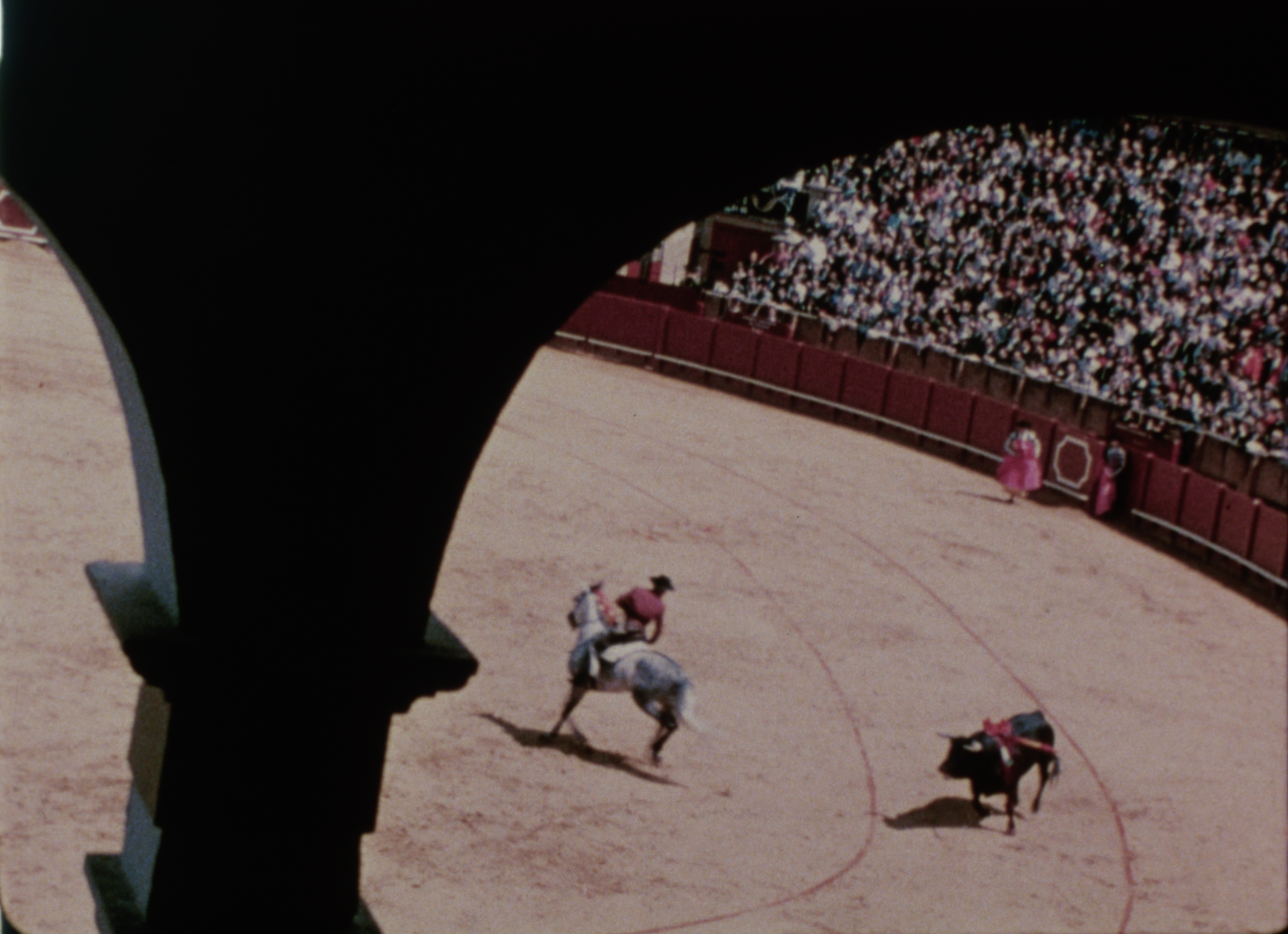
WHIPLASH (1995)
“WHIPLASH is elegiac meditation on [Sonbert’s] own mortality. Sonbert projected into the film evidence of the deterioration of his physical and motor skills: for instance, the roller skater stumbles and the shots of the bullfight through curved arches of the arena parallel his own retina’s narrowing field of vision… During the years preceding his death, Sonbert channeled his energy into making WHIPLASH. His vision and motor skills impaired, he gave his companion, Ascension Serrano, detailed instructions about the assembly of specific shots and the music to be used as a counterpoint to the images. Before his death in 1995, he asked filmmaker Jeff Scher (a former student of Sonbert's at Bard) to complete the film.” —Jon Gartenberg