


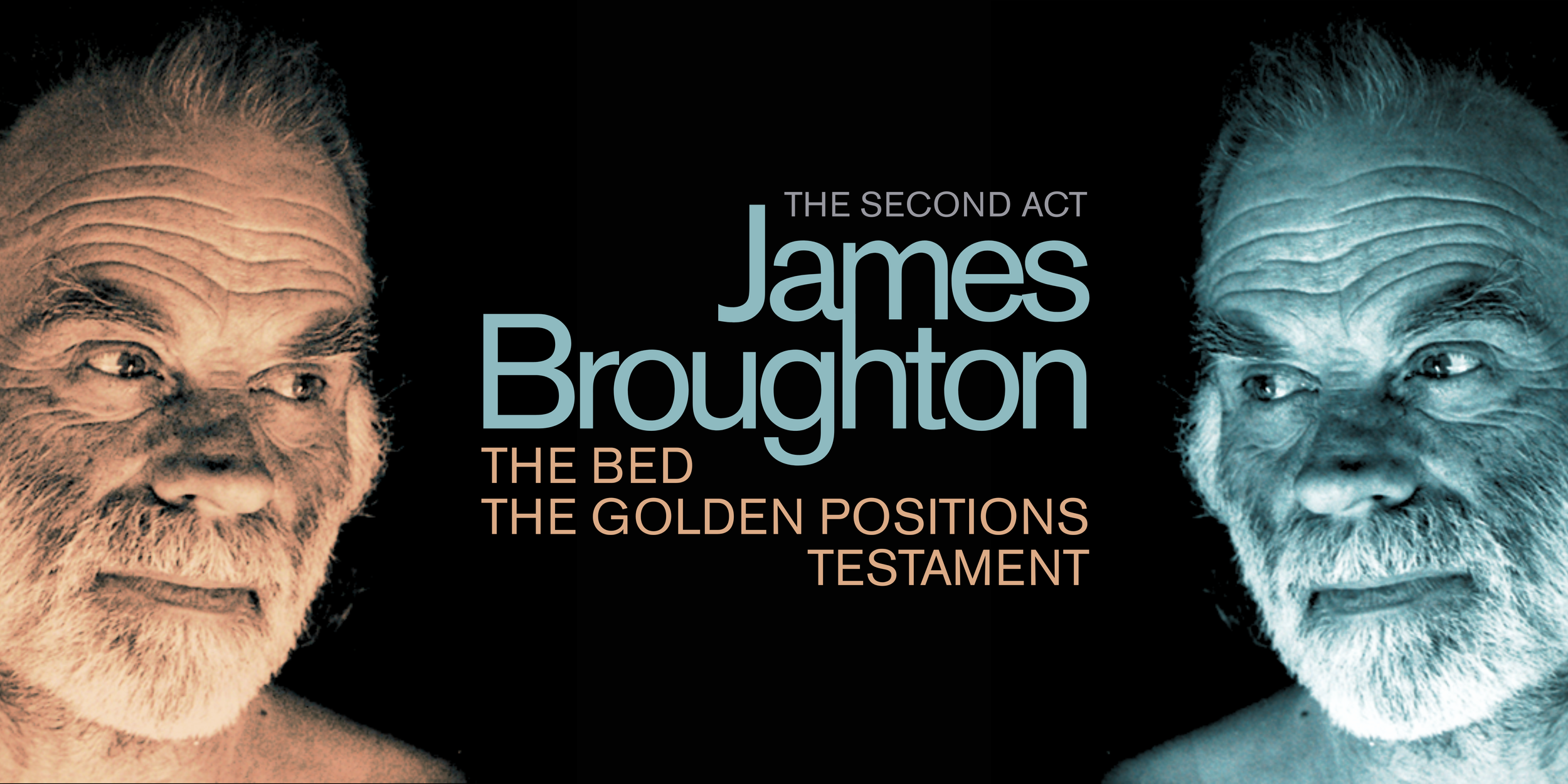
James Broughton: The Second Act
/
“I made films to see what my dreams looked like.” —James Broughton
After THE PLEASURE GARDEN (1953) won the Prix de Fantasie Poetique (Poetic Fantasy Prize, soon to become the Short Film Palme d’Or) at the 1954 Cannes Film Festival, James Broughton was offered a Hollywood movie deal, which he turned down. Instead of parlaying THE PLEASURE GARDEN’s success into more lucrative film work, Broughton took a 15-year hiatus from filmmaking altogether to focus on his poetry. Upon returning to the medium in 1967, the anti-establishment seeds planted by the San Francisco Renaissance and the Beat poets of the ‘40s and ‘50s had blossomed into flower power. Finally, the counterculture was America’s mainstream culture, and Broughton’s cinematic comeback met this euphoric and liberating moment.
While the artist’s early films invoked humor, satire, and the loose contours of narrative to buck social hierarchies and subvert hegemonic cultural conventions, Broughton’s films beginning in the late 1960s (to quote critic Paul Malcolm) “let [it] all hang out. Gone are the authority figures, along with any semblance of narrative. Only the exuberant muses remain, eccentric imps [and] all… Broughton emerges as a cinematic Walt Whitman, throwing a wide embrace around the physicality of his body, his homosexuality, and the pleasures of communal living.”
1967’s THE BED — Broughton’s first color film, made during the “Summer of Love” — was groundbreaking for its joyously erotic depiction of sex and full-frontal nudity. (It is now widely regarded as the artist’s most popular film). 1970’s THE GOLDEN POSITIONS, made at the apotheosis of the countercultural period, was likewise described by critic Sheldon Renan as a “rich, warm, clear statement of humanism” that “stands apart from most of the films of the past two decades by its feeling of certainty, positiveness, and completeness.”
By the mid-1970s, the utopian ambitions of the counterculture had been undercut by the Manson murders, Watergate, stagflation, and America’s nearly decade-long involvement in the Vietnam War, among other devastations. Peace, love, and communal living had shifted to fatalism, incoherence, and introspection — the “Me Decade” was underway. 1974’s TESTAMENT echoes this inward-looking cultural shift as Broughton reflects on his “quest for erotic transcendence” by amalgamating his voiceover with fragments of old footage he shot. The artist himself remarked, “I thought this would be my final film… it’s a self-portrait bouncing me from my babyhood to my imagined death.”
GME is pleased to present THE BED, THE GOLDEN POSITIONS, and TESTAMENT in a curated package devoted to this fascinating second act — spanning 1967 to 1974 — in Broughton’s multifaceted career as a filmmaker. THE GOLDEN POSITIONS was featured in Jon Gartenberg’s program James Broughton, Cinema Poet, which screened at The Museum of Modern Art on July 6 and July 10, 1979.
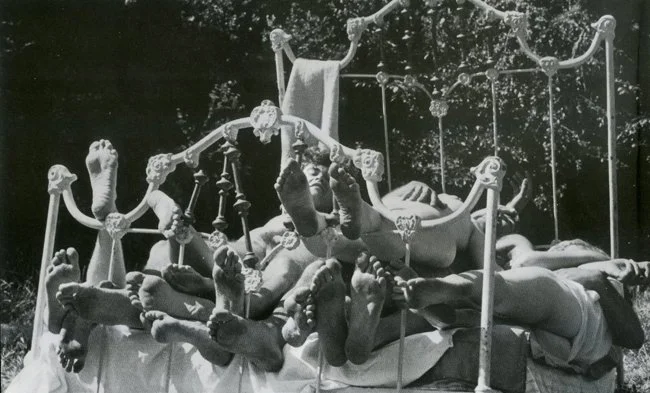
THE BED (1967)
"One of the most lyrically erotic of independent films, THE BED is a merry allegory which celebrates impudently and imaginatively just about everything that could happen in bed (and some things that couldn't) — birth, young love, loneliness, dreams and death, amid all sorts of hanky-panky from fetishism to plain old lechery." —LA Free Press
"Broughton’s finest film by far. It exists in a state of play fully realized." —Stan Brakhage
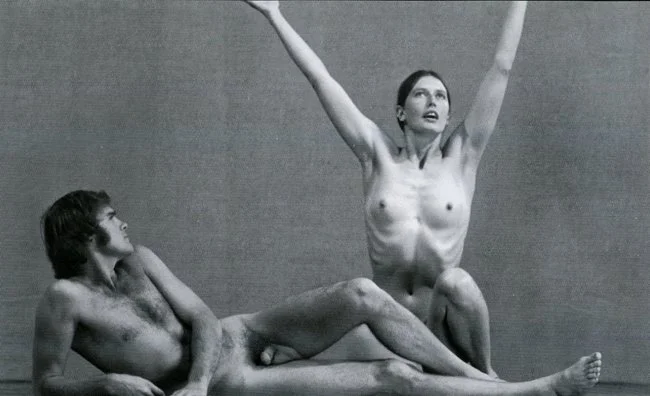
THE GOLDEN POSITIONS (1970)
“A lovely, poetic, humorous and crystal investigation of mankind standing, sitting and lying down.” —John Wasserman, San Francisco Chronicle'
“Broughton adroitly blends anatomical tableaus and pantomime, simulating everything from sexual harmony to plain everyday desk slump. The cast parades around in jaybird comfort. The picture is funny and ever so wise.” —Howard Thompson, The New York Times
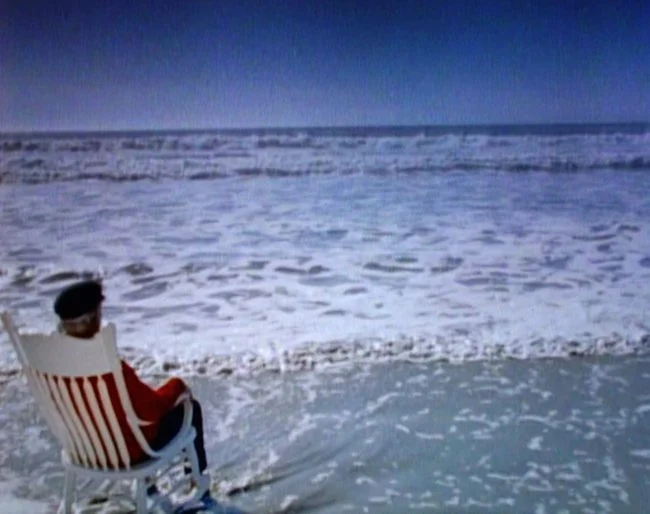
TESTAMENT (1974)
“James Broughton's TESTAMENT is one of the most remarkable films ever produced within the American independent cinema. It is the most moving and most sublimely detached of the recent trend of filmic autobiographies — by Jerome Hill, Jonas Mekas, and Stan Brakhage, to name only the masters, and Broughton’s peers.” —P. Adams Sitney
“A beautiful, important, [and] mysterious work.” —Amos Vogel