
Sonbert in the Eighties
/
This fall, Gartenberg Media is pleased to present new 2K digitizations of Warren Sonbert's Noblesse Oblige (1981), A Woman's Touch (1983), The Cup and the Lip (1986), and Honor and Obey (1988) in the curated package Sonbert in the Eighties.
These films are currently available for acquisition by academic and cultural institutions worldwide. For rental or purchase inquiries, please contact sales@gartenbergmedia.com.
Warren Sonbert continued making silent montage films well into the 1980s. In spite of the neoconservative climate that defined much of the decade in the United States, Sonbert’s work did not sacrifice its global purview, intellectual sophistication, or political edge.
Modeled after Douglas Sirk’s The Tarnished Angels (1957), 1981’s Noblesse Oblige consists of footage of protests in San Francisco following the murders of Mayor George Moscone and Councilman Harvey Milk — the first openly gay man to be elected to public office in California — at the hands of Dan White. Whereas the political dimensions were ever-present yet subtextual in Sonbert’s ‘70s films, they are unabashedly textual in Noblesse Oblige, which critic David Ehrenstein described as “open[ing] a new chapter on Sonbert’s career.”
A Woman's Touch (1983), completed two years after Noblesse Oblige and several years after the apotheosis of the early ‘70s second-wave feminist movement, was directly inspired by Alfred Hitchcock’s proto-feminist psychological drama Marnie (1964). As with Hitchcock’s film, A Woman's Touch sees Sonbert explore “the interplay between male domination and female independence" (to quote Jon Gartenberg).
The Cup and the Lip (1986) and Honor and Obey (1988) can be viewed as companion pieces in their explorations of global institutions of power and their relationships with the proletariat. In the words of critic David Steritt, the former film functions as “a regretful and perhaps sardonic essay on human frailty — and on the effort to stave off chaos by means of political and religious institutions, which carry their own dangers of social control and mental manipulation.” The latter film, according to critic Caryn James, “avoids simple-minded juxtapositions [through] a melange of images so full of geography… that the work mocks the idea of any specific setting” and ultimately “seems to ask, ‘Whose authority will you obey?’” Honor and Obey also has the distinction of being the only Sonbert film to feature GME's Jon Gartenberg and David Deitch, who act out a couple’s quarrel in the film’s opening shot.
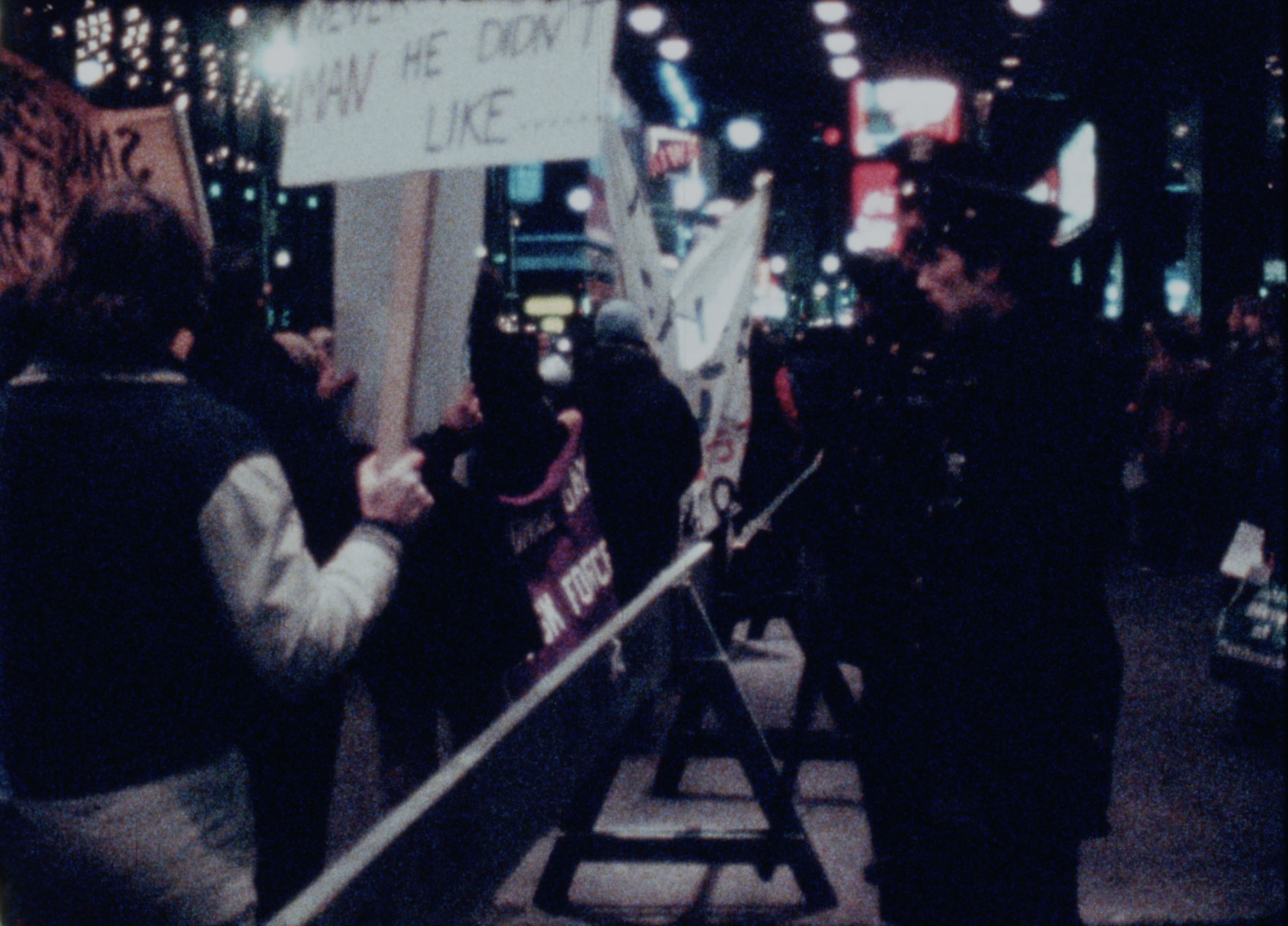
NOBLESSE OBLIGE (1981)
“The style is relatively unchanged, but the images — press conferences, news events, disasters — convey [Sonbert’s] vision of the world in a new, direct, political fashion.” —David Ehrenstein, L.A. Reader
"[Sonbert] expressed admiration for a pantheon of American directors working within the studio system, including Alfred Hitchcock, Nicholas Ray, and notably Douglas Sirk, who appears in Noblesse Oblige. He deeply admired Sirk's ability to expose the ‘hollow cupidity and superficiality of middle class ideals’ and to accentuate the forces of destruction [of] the nuclear family structure of the 1950s." —Jon Gartenberg
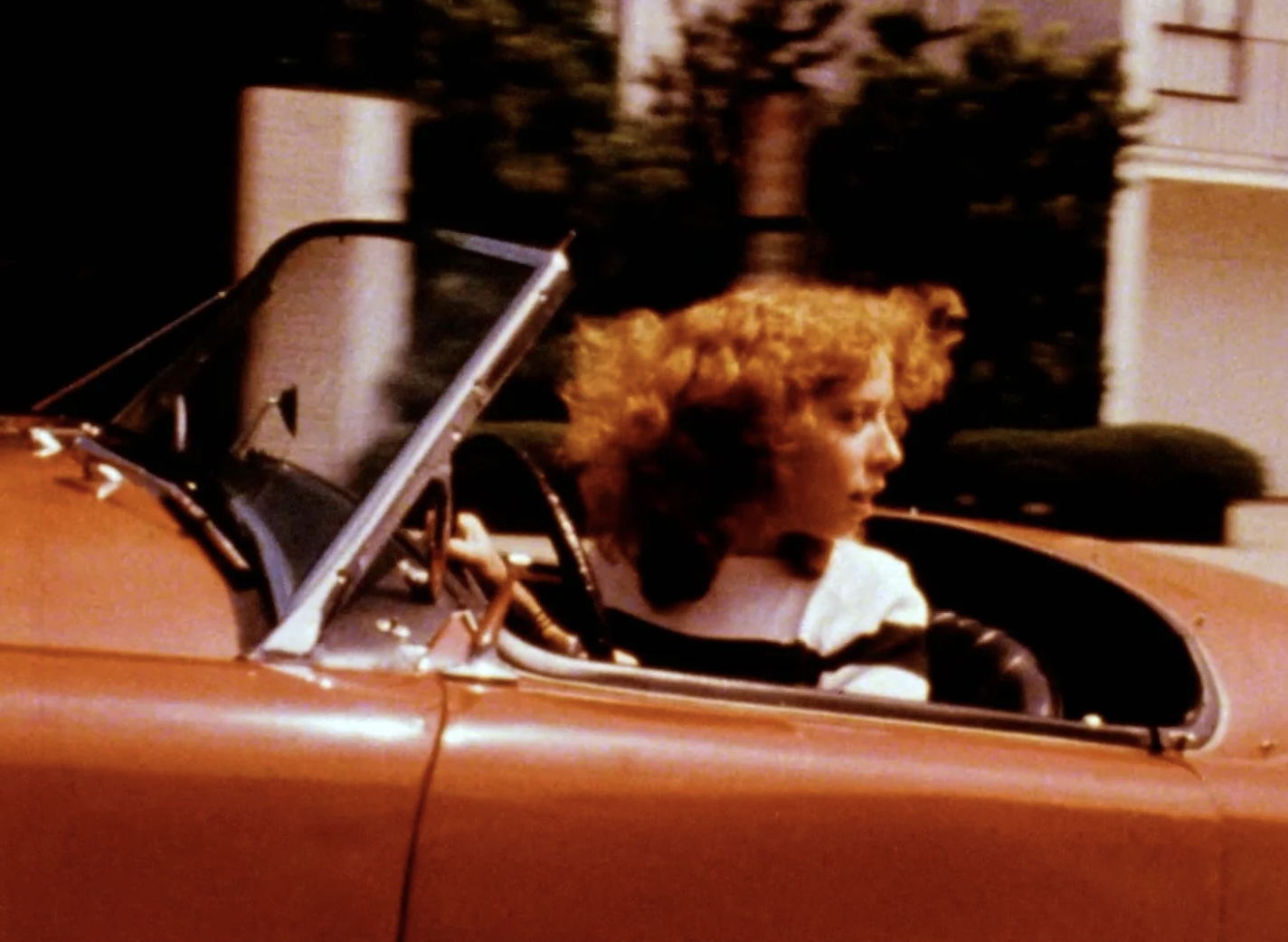
A WOMAN’S TOUCH (1983)
“A Woman's Touch is modeled after Alfred Hitchcock’s Marnie, in which Tippi Hedren is subsumed by the dominating presence in her life of Sean Connery... Men are shown primarily in commanding positions of business, whereas women are shown in more domestic roles. [Sonbert] cuts between these modes of existence, interspersing them with abstract images of flowers, landscapes, lights at night, fireworks, and flows of water (think Stan Brakhage, Marie Menken, and other experimental filmmakers) that provide visual and mental respites.” —The Museum of Modern Art
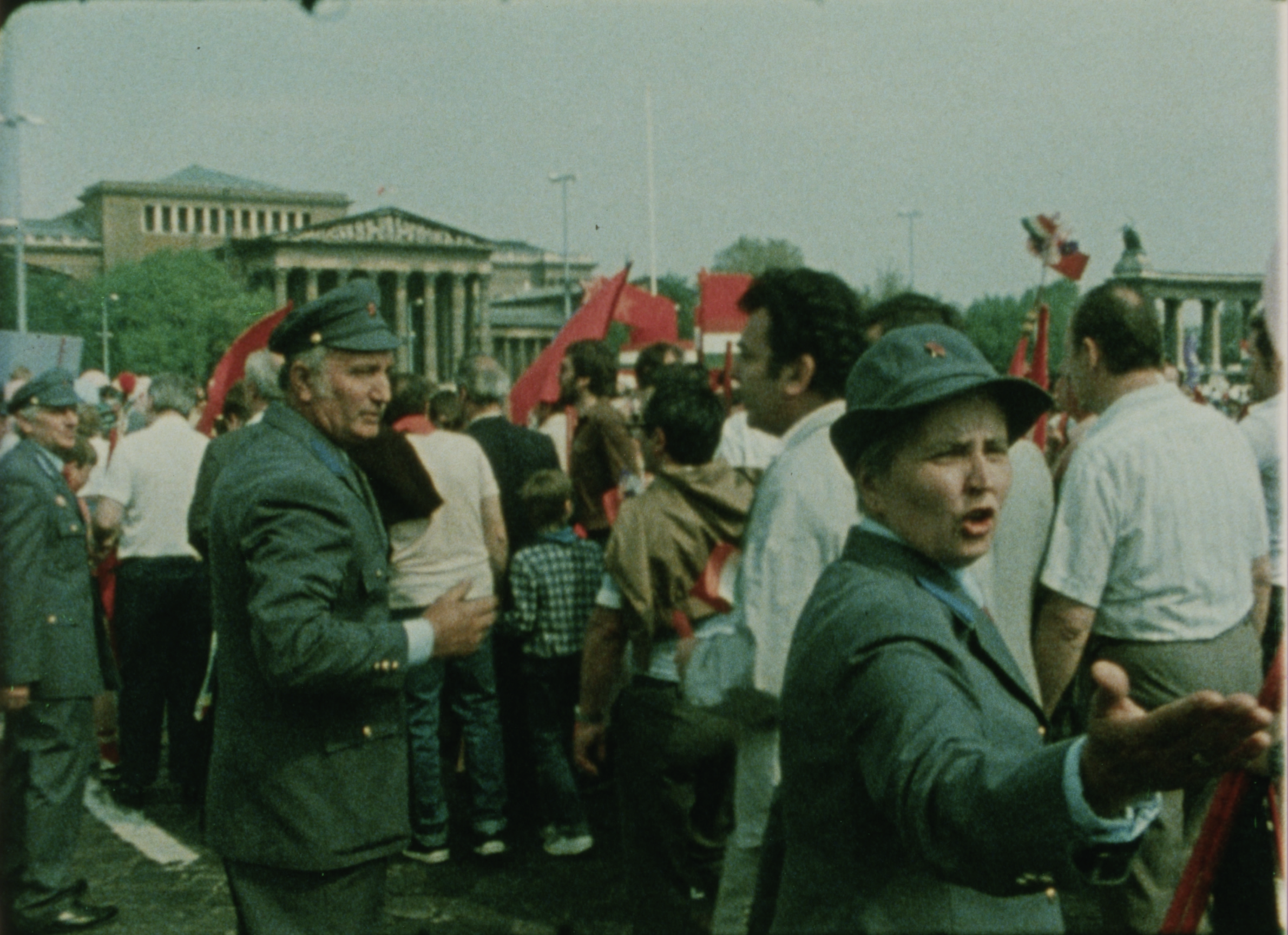
THE CUP AND THE LIP (1986)
“One of his most striking color films, The Cup and the Lip portrays people at ease as private individuals and at attention as representatives of state. Although personal in tone, it is a political text [which] mediates on the nature of authority.” —Whitney Biennial
“Sonbert’s most recent film refines the premises of his work over the past 15-odd years. His bravura-acrobatic camera and editing style of the ‘70s pale next to the seemingly effortless spectacle he produces today... The film is so dense it’s impossible to apprehend it at a single viewing… It is Sonbert’s darkest work.” —Amy Taubin, Village Voice

HONOR AND OBEY (1988)
In Warren Sonbert's Honor and Obey, soldiers march in formation, a tiger stalks through the snow, religious processions wind through the streets, and palm trees wave in a tropical breeze. As brightly colored images of authority figures blend into scenes of cocktail parties, this 21-minute silent film flows along with the grace of a musical score built on complex tensions hidden among notes.
“Honor and Obey questions all forms of male-dominated authority, particularly familial, religious, political, and military.” —Tate Modern