
GME Presents The Montage Films of Warren Sonbert
/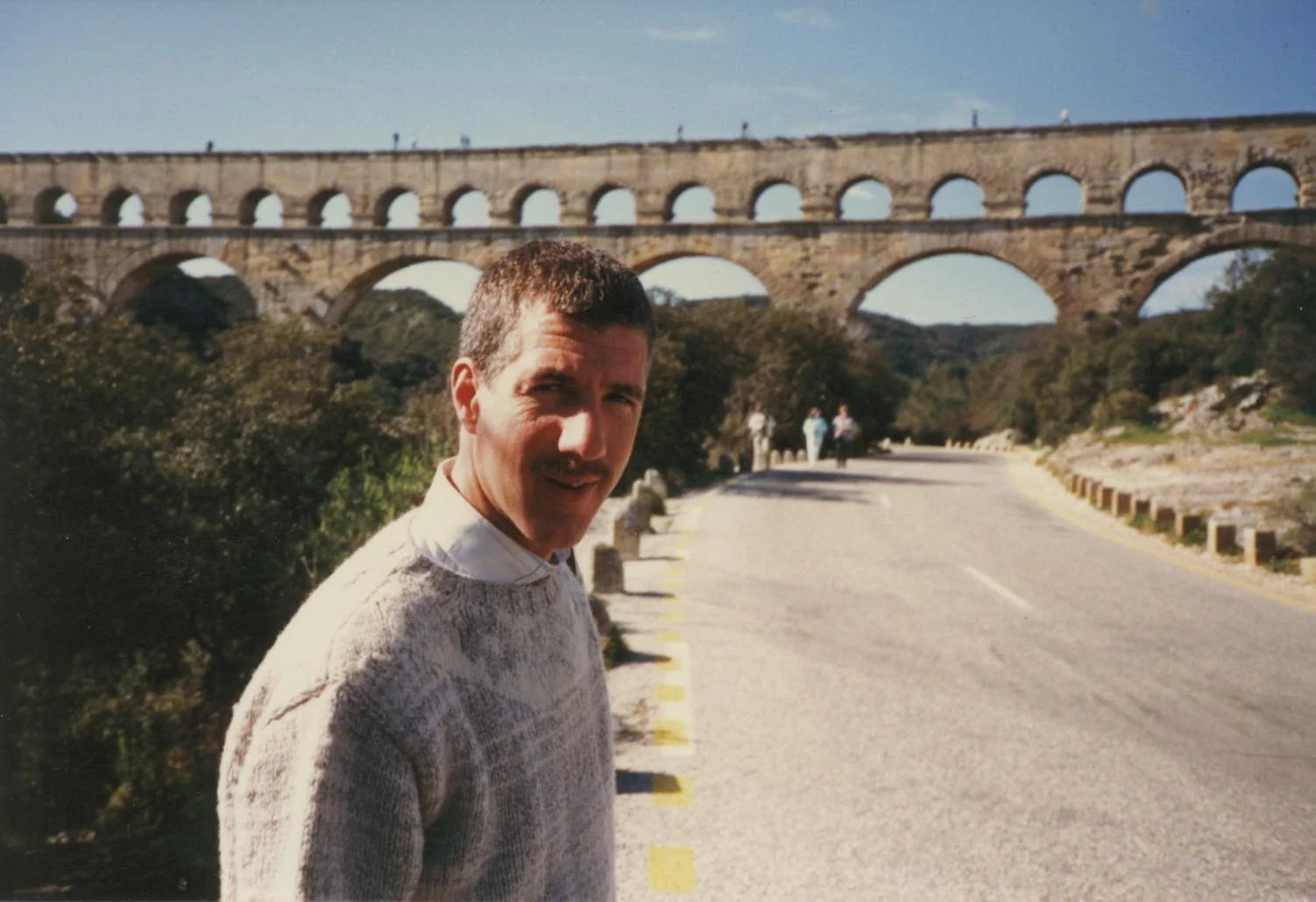
Filmmaker Warren Sonbert, circa 1980s. Source: Gartenberg Media Enterprises.
This fall, Gartenberg Media is pleased to present new 2K digitizations of Warren Sonbert's polyvalent montage films.
Spanning 1973's Carriage Trade through to 1995's Whiplash, these films are now available, across three curated packages, for acquisition by academic and cultural institutions worldwide. For rental or purchase inquiries, please contact sales@gartenbergmedia.com.
Throughout the 1970s and much of the 1980s, Warren Sonbert documented his global travels with his Bolex camera and edited his footage together sans musical accompaniment. Compared to his earlier shorts — youthful vignettes set to pop hits of the day that embraced a quasi-narrative style — these meticulously-edited works are silent and, with their variegated imagery and rich sociopolitical subtext, can be viewed prismatically.
As noted by Language poet Alan Bernheimer: “Narrative concerns pervade [Sonbert’s] films on at least three levels, all working with and against each other: nano narrative within the shot, ‘collisional’ montage, and the meta-narratives or themes running through each film.” In their contemplative and intellectual approach, these longer films explored everything from diverse cultural customs and locales (1973's Carriage Trade) to gender roles (1983’s A Woman's Touch), tensions between art versus industry (1978’s Divided Loyalties), and the effects of global institutions of power on the proletariat (1988’s Honor and Obey).
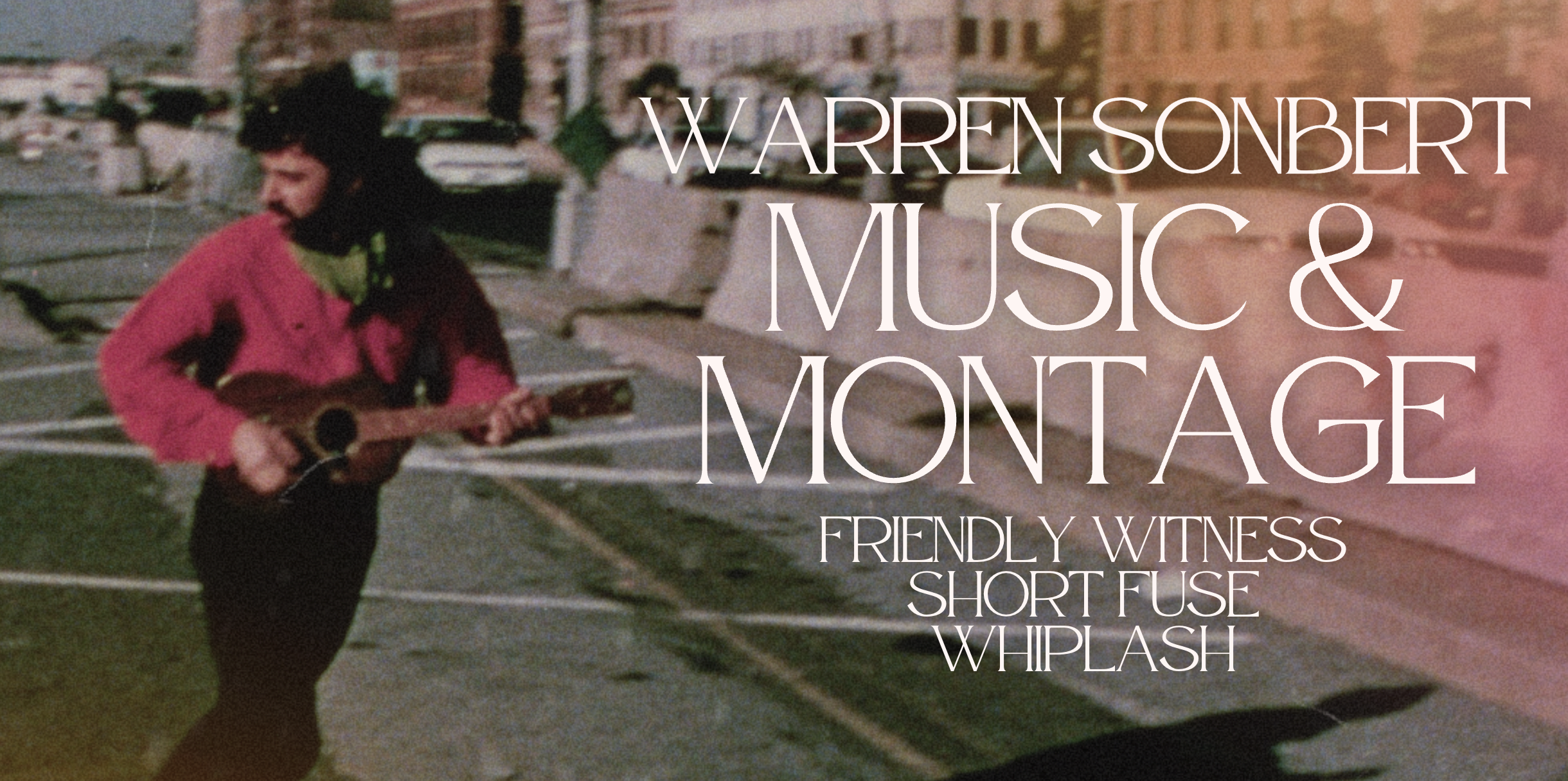
Beginning with 1989’s Friendly Witness, Sonbert once again began using soundtracks in his films, thereby fusing the musicality characteristic of his early New York shorts with the polyvalent montage style he had honed over the past 15 years. The artist’s return to music does not undercut these films’ poetic and political dimensions, however. For instance, the inclusion of Motown music in Friendly Witness functions as a nostalgic recall of Sonbert’s youth. Meanwhile, the employment of Serguéi Prokófiev’s “Piano Concerto No. 1” in Short Fuse (1991) emphasizes the psychological intensity of the footage and aurally reifies Sonbert’s emotional state upon learning of his HIV diagnosis.
Sonbert passed away due to complications from AIDS before completing 1995’s Whiplash. His former student and longtime friend Jeff Scher assembled the final edit based on Sonbert’s specifications. This effort was overseen by Sonbert’s partner Ascension Serrano and GME President Jon Gartenberg. Scher has also acted as the Restoration Advisor on these new digitizations of Sonbert’s films, thereby denoting a full-circle moment for GME’s stewardship of Sonbert’s oeuvre and legacy.
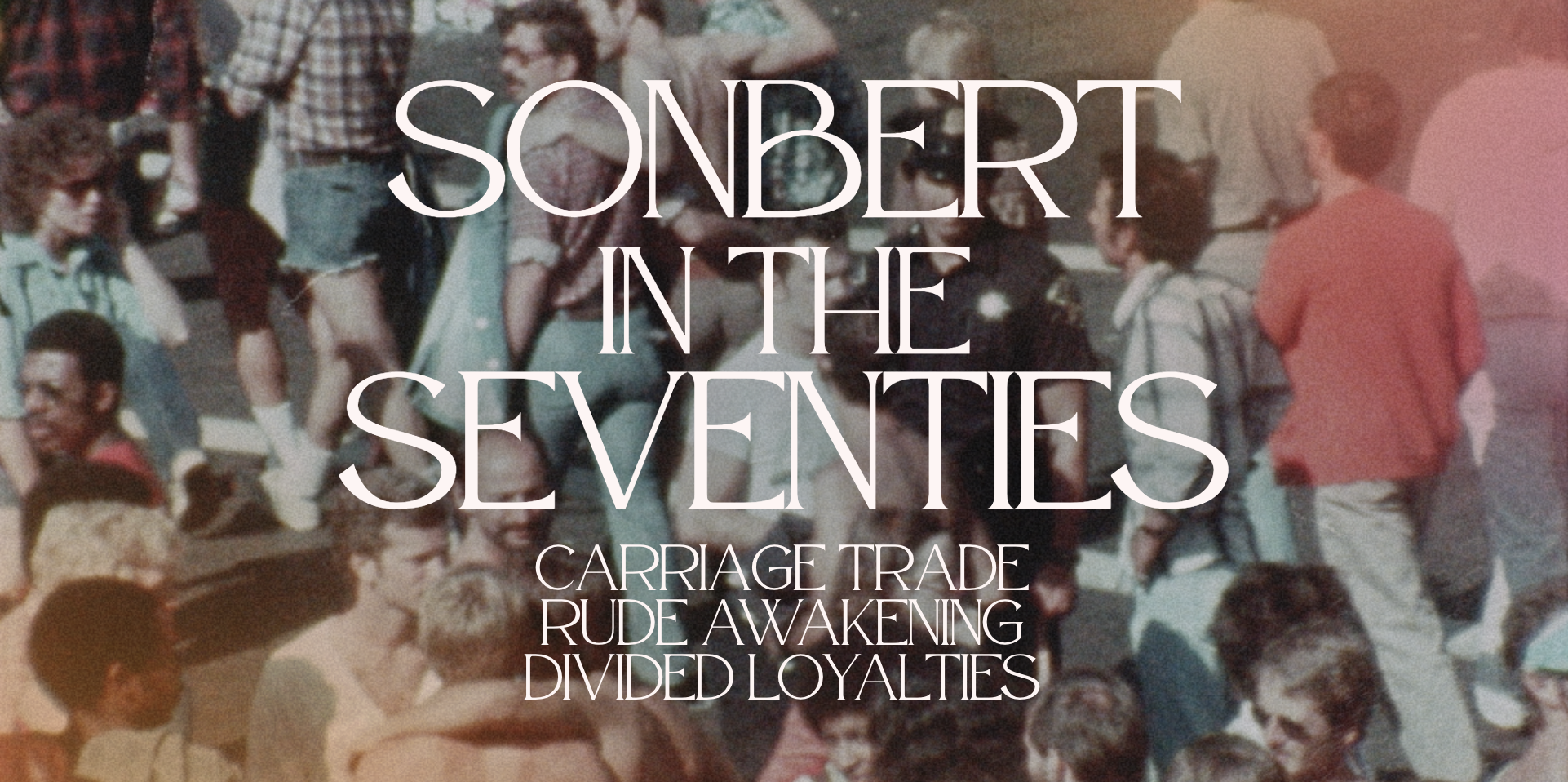
SONBERT IN THE SEVENTIES
Beginning in the 1970s, Warren Sonbert moved away from the pop music-inspired, quasi-narrative style of his early New York films towards a more sophisticated filmmaking approach that came to be known as “polyvalent montage.” Sociologists dubbed the Seventies the “Me Decade,” and while many artists followed trend and embraced introspection, Sonbert chose to look outward. These films — which include 1973’s Carriage Trade, 1976’s Rude Awakening, and 1978’s Divided Loyalties — intricately amalgamate footage from the artist’s many global travels during this enigmatic and politically-fraught decade.
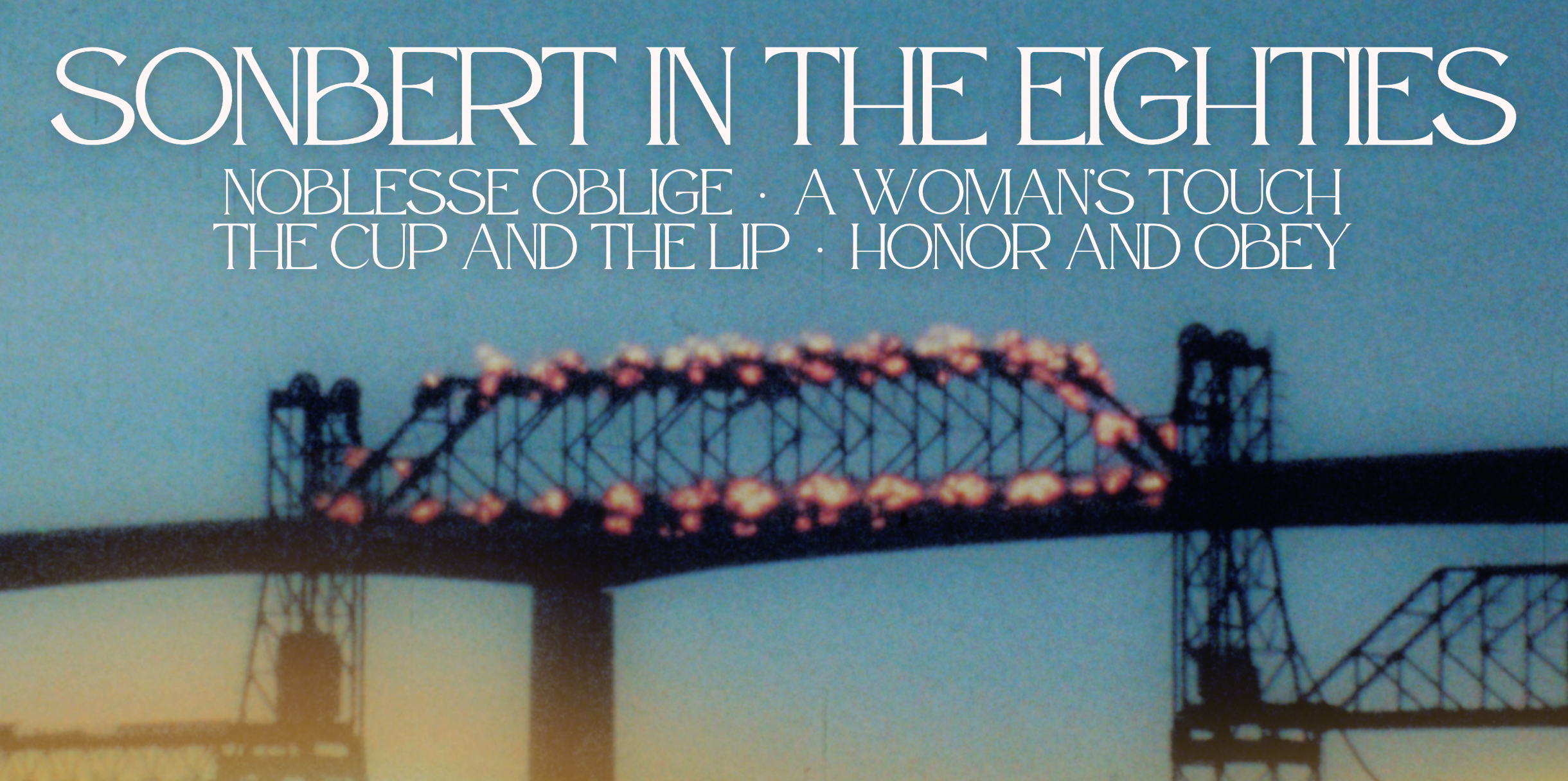
SONBERT IN THE EIGHTIES
Sonbert continued working in silent polyvalent montage well into the 1980s; his films during this period expand on the global purview, intellectual sophistication, and political edge implicit in his '70s output. From 1981’s Noblesse Oblige to 1983’s A Woman's Touch, 1986’s The Cup and the Lip, and 1988’s Honor and Obey, Sonbert explored everything from gender roles to religious organizations, the effect of global institutions of power on the proletariat, and the aftermath of Harvey Milk’s assassination.
WARREN SONBERT: MUSIC & MONTAGE
Beginning with 1989’s Friendly Witness, Sonbert once again began using music in his films, thereby fusing the aural style of his early New York works with the polyvalent montage approach he had honed as a silent filmmaker over the past 15 years. 1991’s Short Fuse is perhaps the artist’s most intense work — featuring a diverse soundtrack and created shortly following his HIV diagnosis — while his final film, 1995’s Whiplash, was completed posthumously.